AI & ML
Data-Driven Configuration of Protective Separation Zones in Collaborative Robot Cells from Operator Occupancy
arXiv cs.RO0 views
arXiv:2611.07621v2 Announce Type: replace Abstract: The protective separation zone of a collaborative robot cell is commonly dimensioned for a worst case that disregards where the operator is actually present during the task. This paper presents a camera-based, data-driven method that configures this zone from observed operator occupancy. Operator positions accumulated over several production shifts are aggregated into an occupancy heatmap, from which a protective field is derived that trades off the achievable robot velocity against the required safety distance, following the speed and separation monitoring principle of ISO/TS 15066. The resulting configuration is advisory, that is, reviewed within the risk assessment rather than applied autonomously to the robot controller. The method, which builds on a pose-based perception pipeline with activity recognition, was evaluated in two operational cells at two industrial partners, where the protective field could be reduced by approximately 17% and a productivity increase of 9% was measured. However, adoption proved to depend on more than the demonstrated gain alone.
Source:https://arxiv.org/abs/2611.07621PreviousVLALagBench: Understanding When and Why VLA Inference Latency MattersNextMOSU2: Long-range Navigation System with Multi-modal Scene Understanding
Related posts
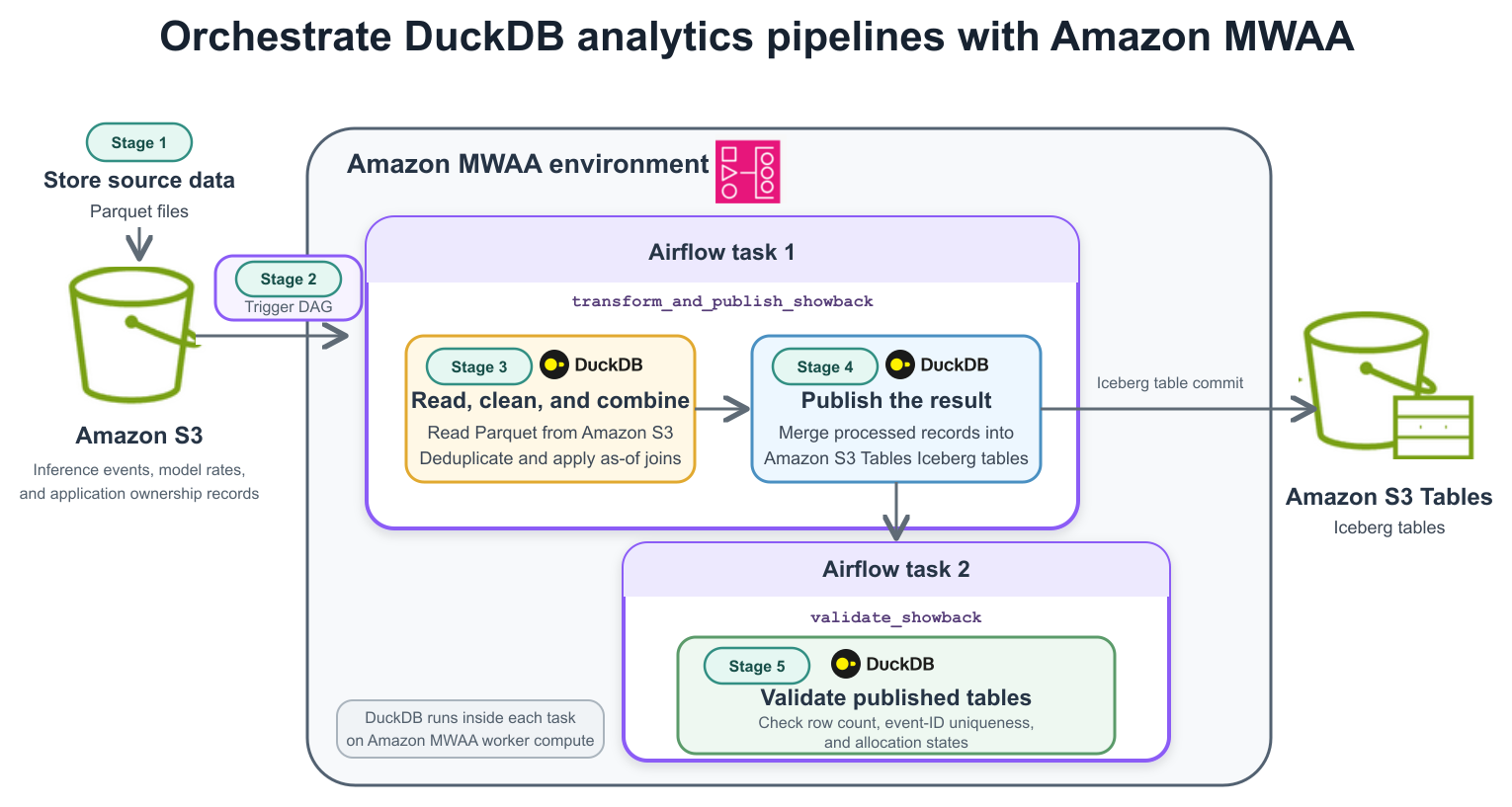
Orchestrate DuckDB analytics pipelines with Amazon MWAA
0AWS Big Data Blog
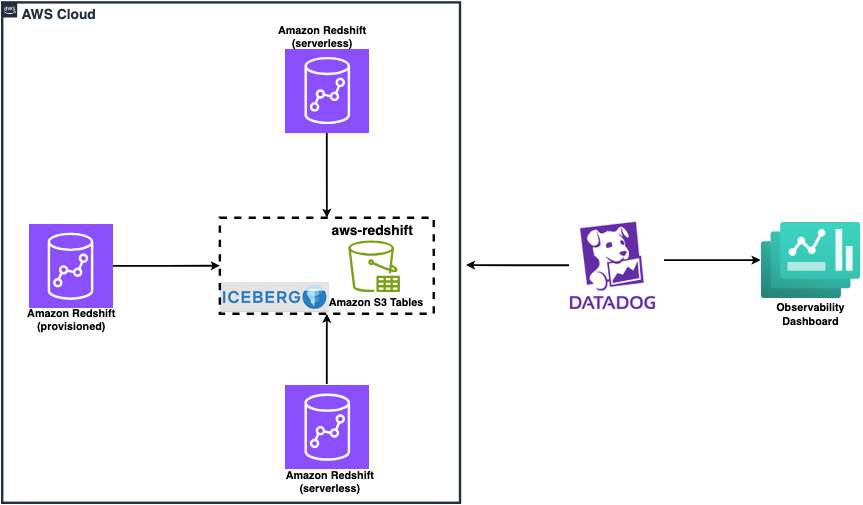
Long-term Amazon Redshift observability with Datadog and Amazon S3 Tables
0AWS Big Data Blog
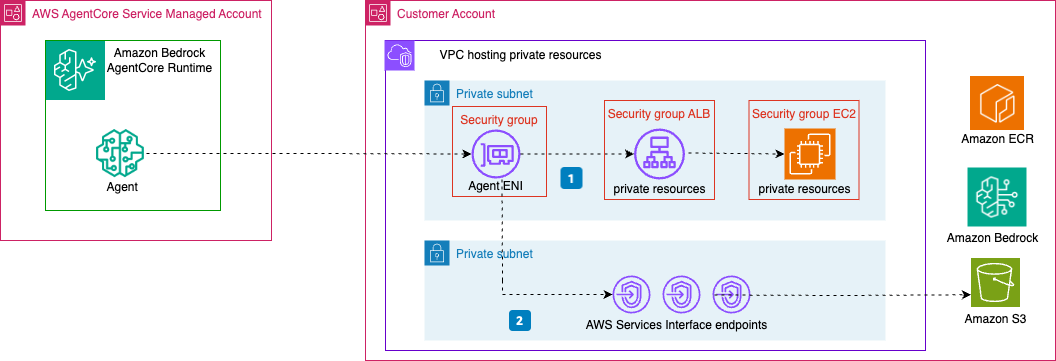
Choosing the right network architecture for Amazon Bedrock AgentCore
0AWS Networking Blog

New Site-to-Site VPN connections will default to recommended cryptography
0AWS Networking Blog
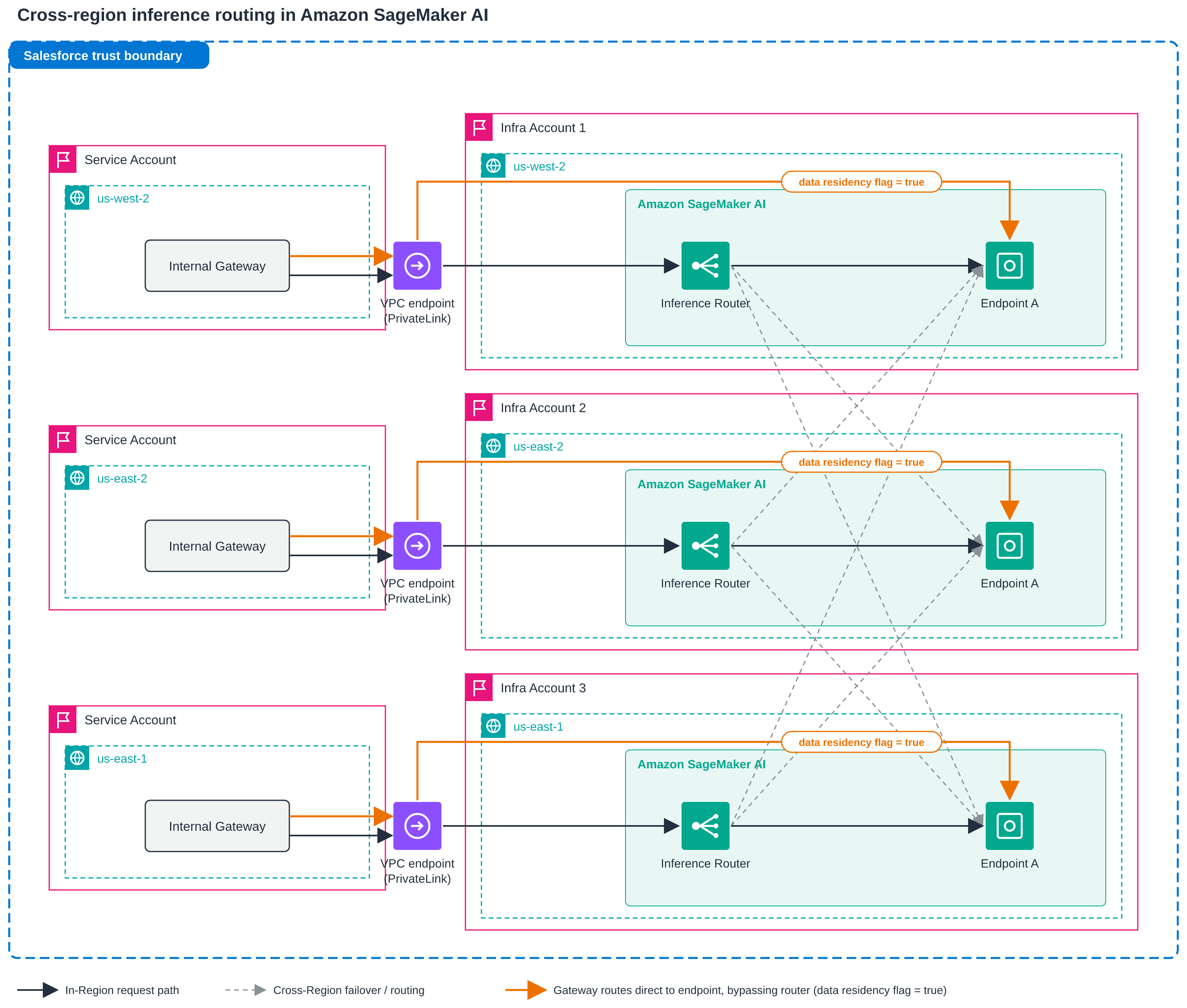
How Salesforce is advancing global-scale model serving with cross-Region inference routing in Amazon SageMaker AI
0AWS Machine Learning Blog
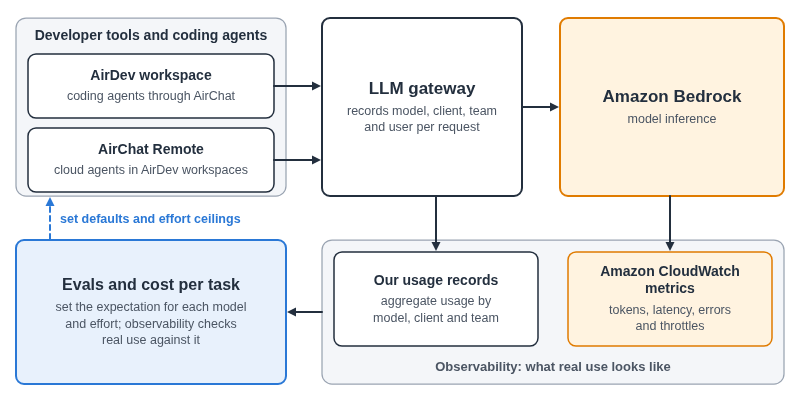
How Airbnb uses cost per task to operate coding agents on Amazon Bedrock
0AWS Machine Learning Blog