Backend
EMT Modeling and Coordinated Mode-Transition Ride-Through Control of Modern Data Centers
arXiv cs.SY0 views
arXiv:2611.08614v1 Announce Type: new Abstract: Large data centers are emerging as power-electronic loads whose response to grid voltage disturbances can affect bulk-system stability. This paper presents the composition and control characteristics of a proprietary electromagnetic transient (EMT) model of a modern data center comprising an uninterruptible power supply (UPS) with battery energy storage, induction-motor cooling loads, a computer room air handler (CRAH) driven by a variable-frequency drive (VFD), and an aggregated server load. A voltage-based state machine coordinates three aspects of the facility response: the UPS operating mode (eco, double conversion, or battery), the supply path of the CRAH, and a ramped reconnection of the grid-side UPS converter after the disturbance clears. A 100 MW facility is implemented in PSCAD/EMTDC and benchmarked against the PSSE PERC1 aggregate data center model under a symmetrical three-phase fault and low- and high-voltage ride-through (LVRT/HVRT) events. The two models agree closely in their voltage and active-power trajectories, while the EMT model also resolves the converter and motor-reacceleration transients that the phasor-domain model cannot.
Source:https://arxiv.org/abs/2611.08614PreviousTraining-Free Generative Sampling via Moment-Matched Score SmoothingNextMulti-objective Electric Vehicle Charging Strategies at Energy Hubs with Justice-informed Profit Distribution among Users
Related posts
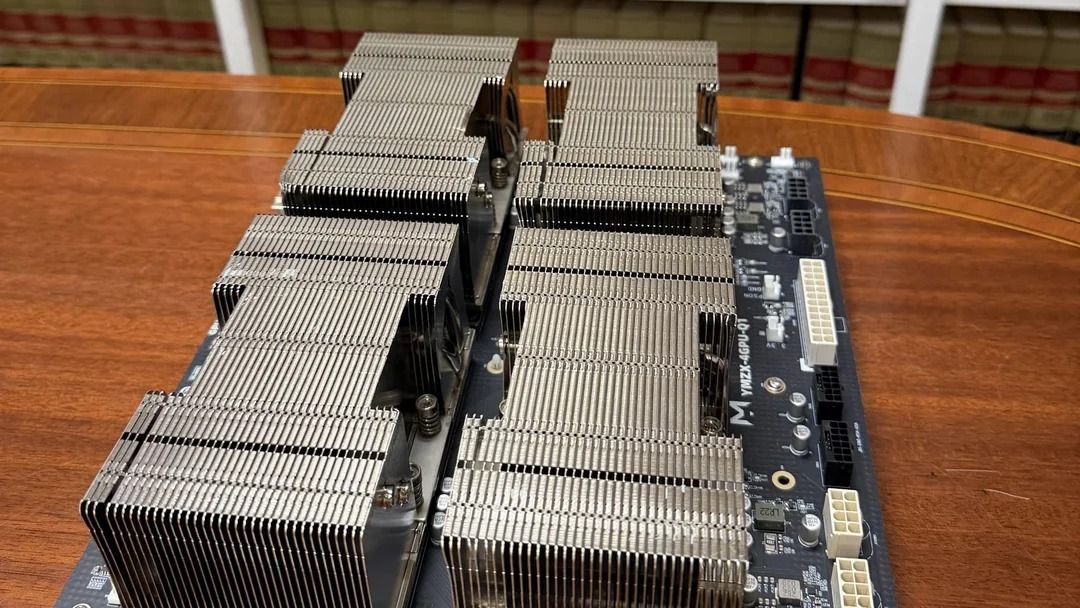
Lawyer builds private AI server with eight used Nvidia V100 GPUs
0Tom's Hardware
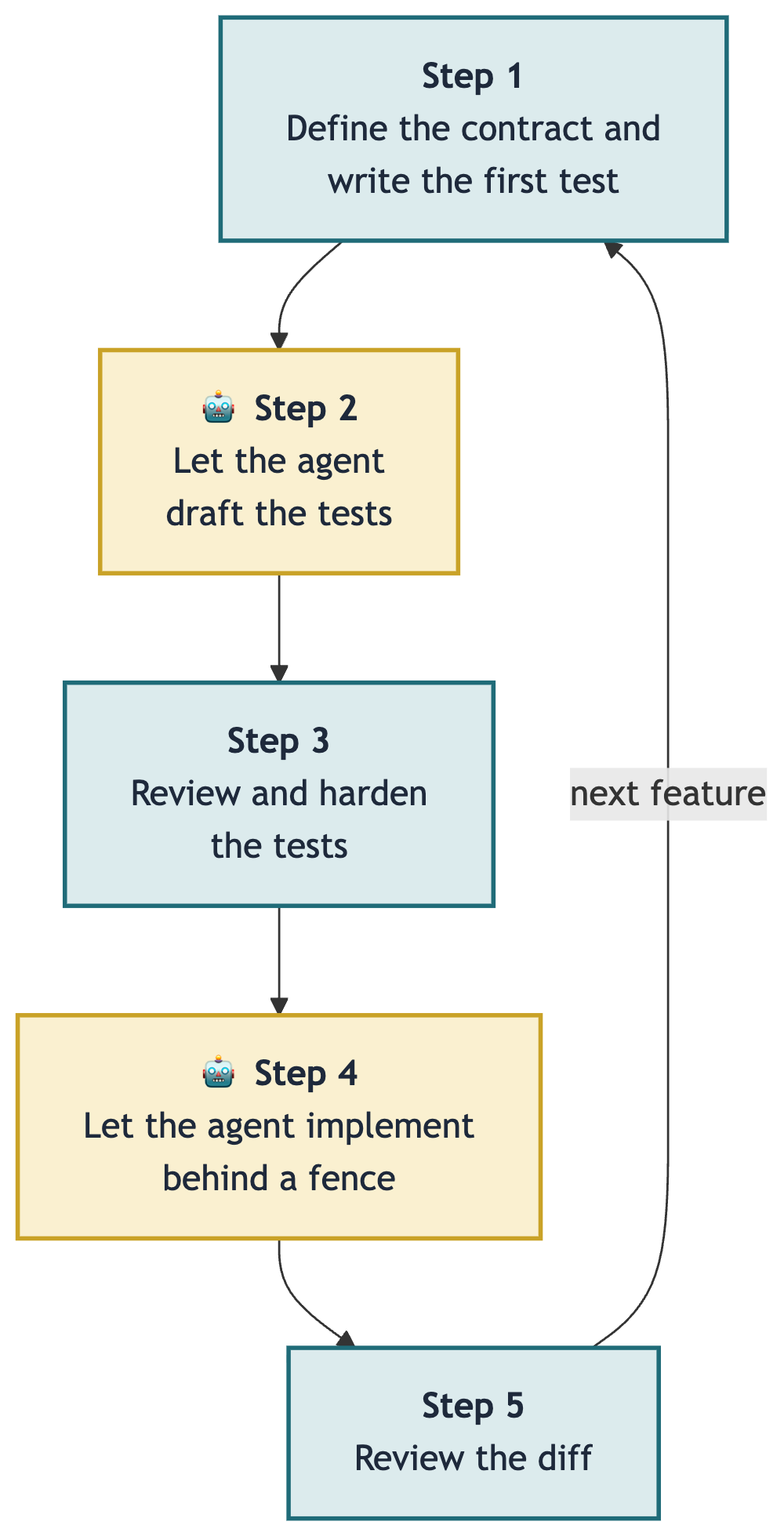
TDD With AI Agents: Design the Tests First, Let the Agent Implement
0Real Python

From One Sentence to a Working App: What Vibe Coding Gets Right — and Where It Still Needs You
0dev.to

A button people press 57 times per visit: building a no-backend tap counter that doesn't lose counts
0dev.to

The 15-Day Clock: Could You Reconstruct an AI Incident Before the Deadline?
0dev.to

DOBI: machine identity, DAMs, and x402 payments as a device workflow
0dev.to