AI & ML
Linear Recurrent Memory Suffices to Distil a World-Model Policy for Robot Air Hockey
arXiv cs.RO0 views
arXiv:2609.39151v2 Announce Type: replace Abstract: Does memory-dependent control need nonlinear recurrent dynamics? We study simulated air-hockey defence under temporary loss of puck tracking. A DreamerV3 teacher outperforms a memoryless policy under tracking loss, and erasing its recurrent state at the moment tracking fails cuts its save rate sharply, so the task requires memory. We distil this teacher into compact recurrent policies with a 64-dimensional state, combining a diagonal linear recurrence with an optional rank-$k$ nonlinear innovation while the observation encoder and action head stay nonlinear. Across five matched seeds, the purely linear recurrent model ($k=0$) matches both the GRU baseline and the teacher throughout the tested range of tracking loss. Increasing nonlinear innovation rank provides no measured benefit. This result comes from a fresh test split that was opened only after all models and analyses were frozen. Under 5\,mm observation noise, without retraining, the linear student keeps a higher save rate than the GRU baseline, while using fewer recurrent parameters and less computation. These results suggest that, for this memory-dependent control task, nonlinear representation learning around a simple linear memory can be sufficient, and that nonlinear recurrent dynamics are not necessarily required.
Source:https://arxiv.org/abs/2609.39151PreviousOne from Infinity: Actualizing Futures from Pretrained World Models into Robot ActionsNextVLALagBench: Understanding When and Why VLA Inference Latency Matters
Related posts
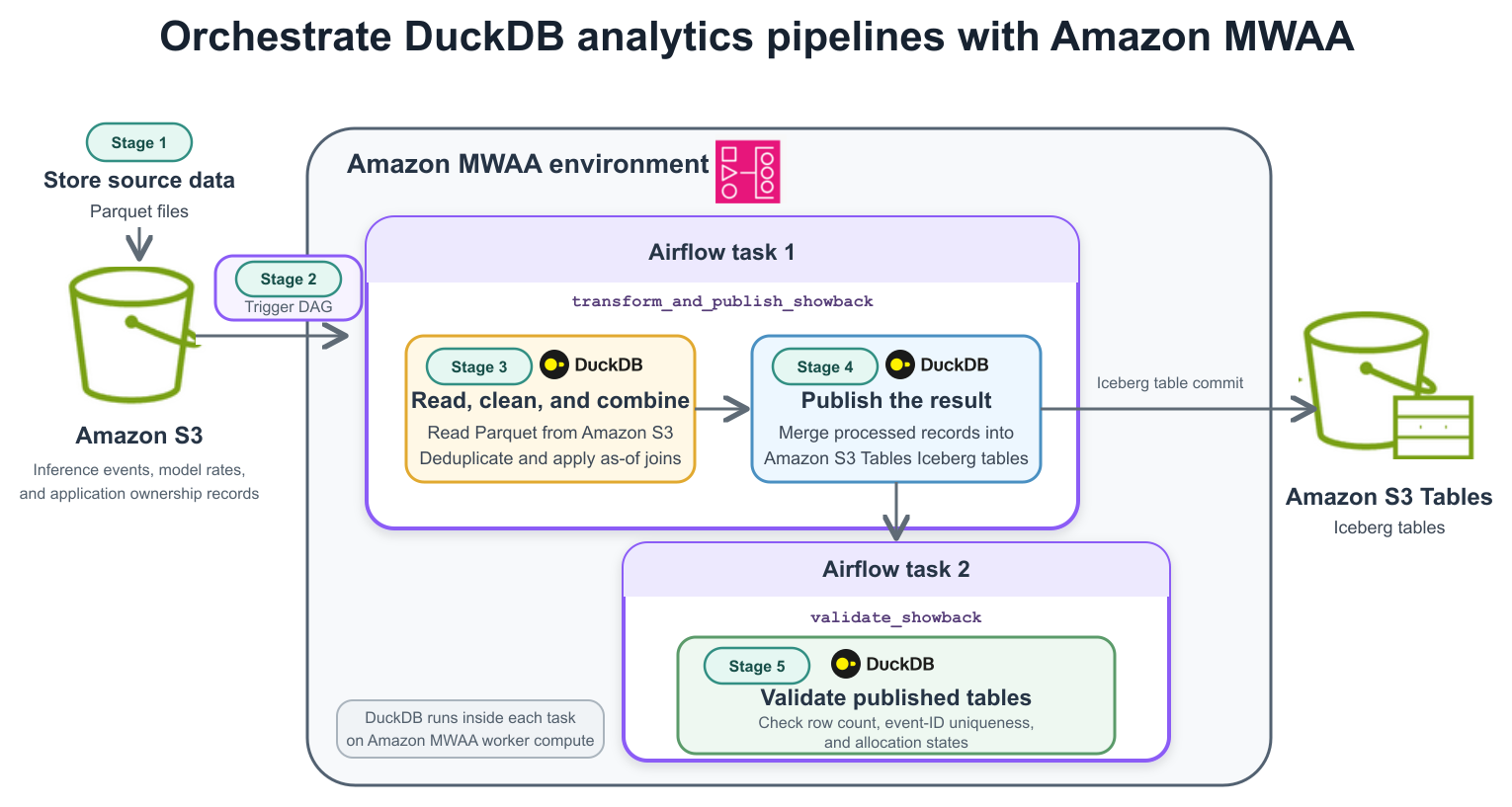
Orchestrate DuckDB analytics pipelines with Amazon MWAA
0AWS Big Data Blog
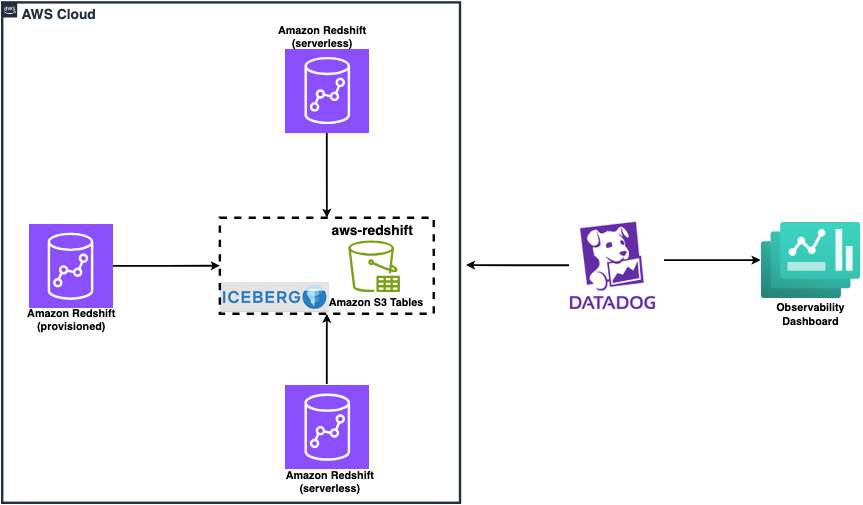
Long-term Amazon Redshift observability with Datadog and Amazon S3 Tables
0AWS Big Data Blog
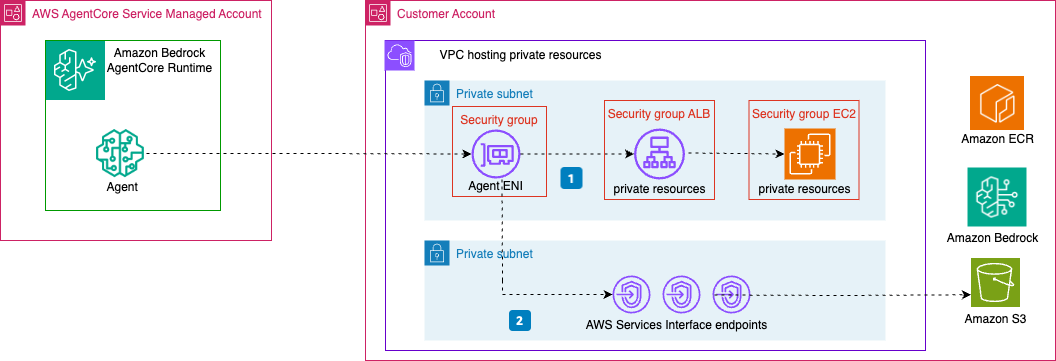
Choosing the right network architecture for Amazon Bedrock AgentCore
0AWS Networking Blog

New Site-to-Site VPN connections will default to recommended cryptography
0AWS Networking Blog
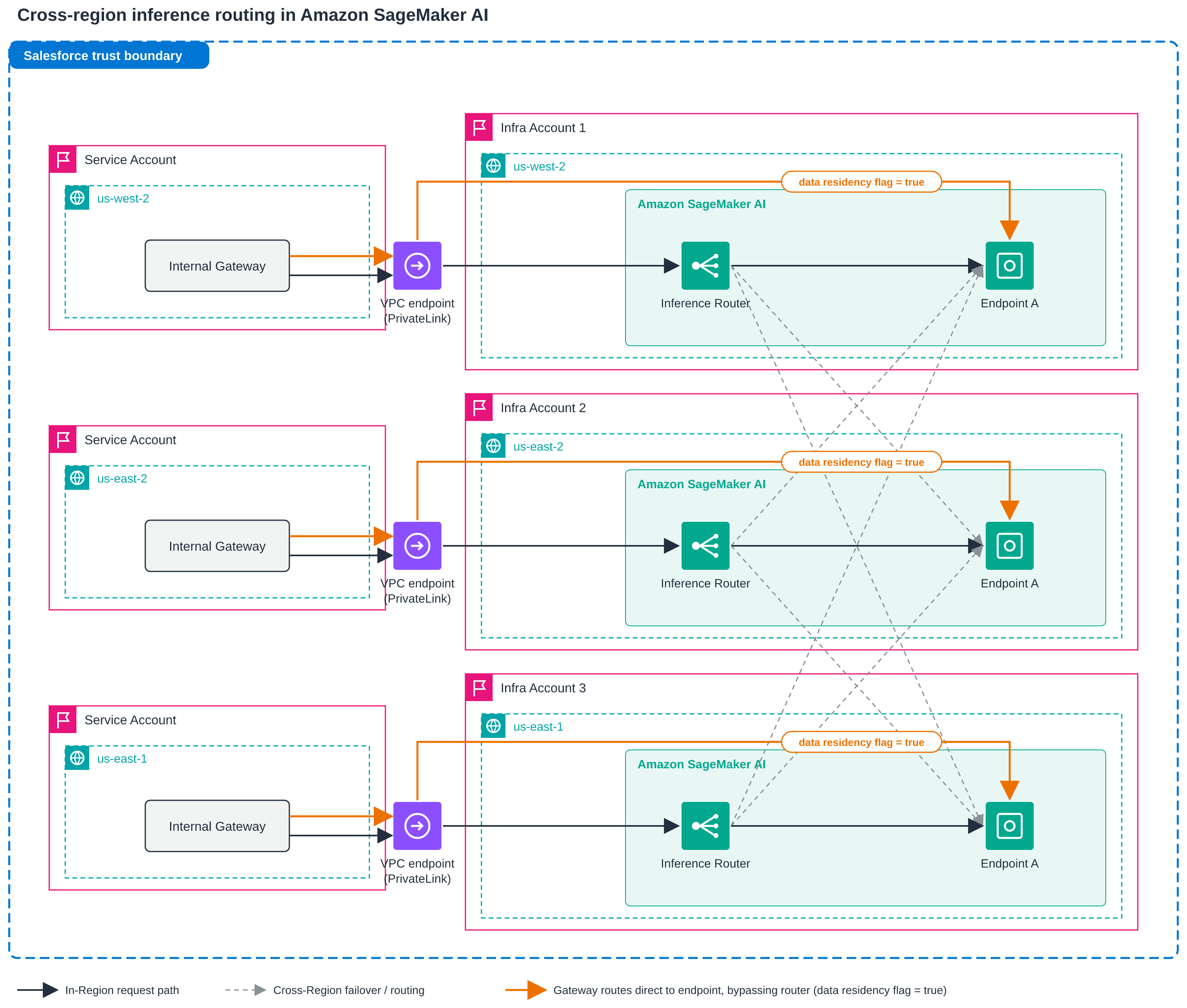
How Salesforce is advancing global-scale model serving with cross-Region inference routing in Amazon SageMaker AI
0AWS Machine Learning Blog
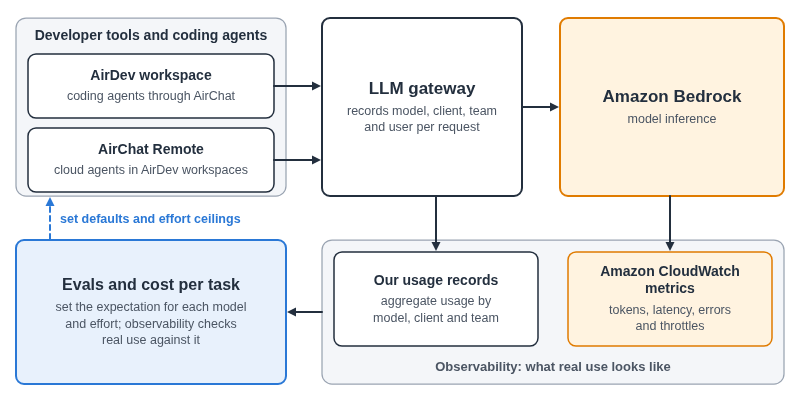
How Airbnb uses cost per task to operate coding agents on Amazon Bedrock
0AWS Machine Learning Blog