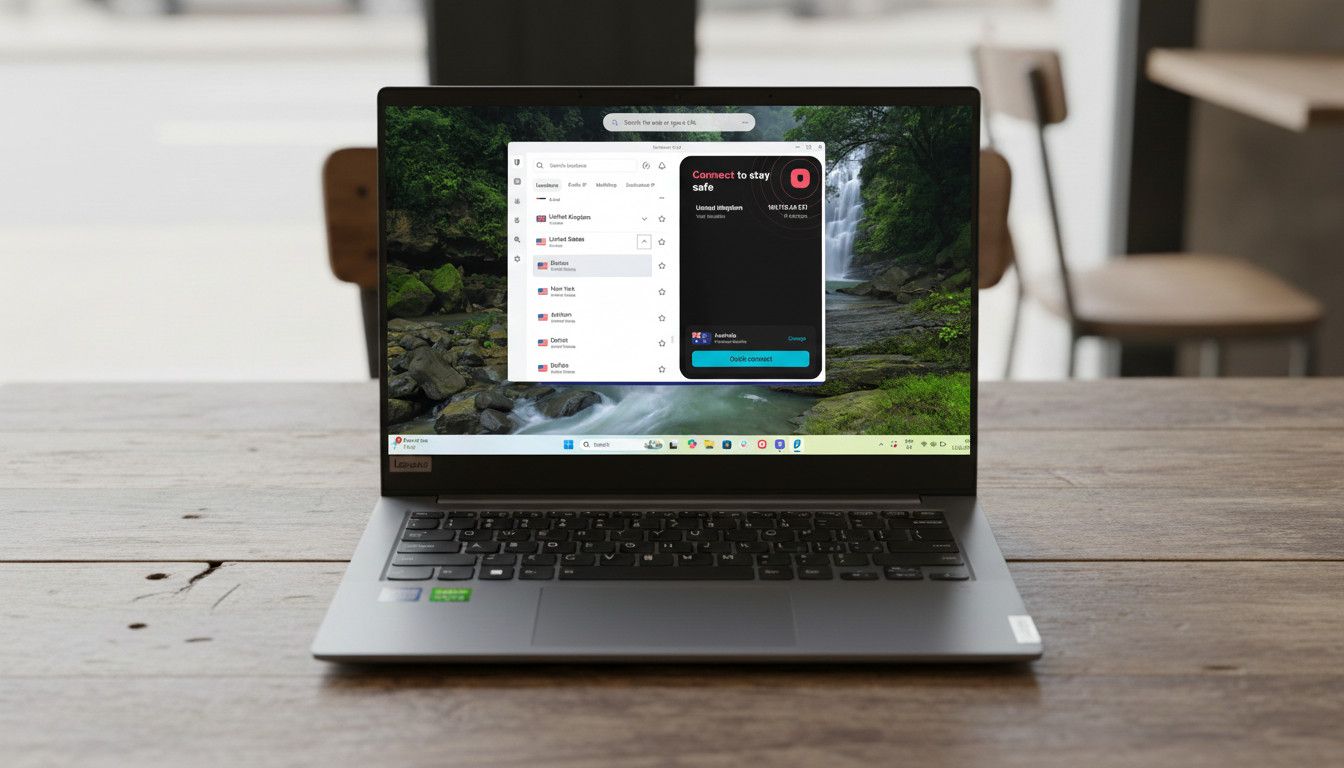
Anticipation for the latest Grand Theft Auto game is at fever pitch. But with cybercriminals looking to profit from the excitement, Virtual Private Network (VPN) provider Surfshark is marking the occasion with an in-app easter egg and a stern warning to those looking to grab the new game before release day.
The provider revealed that its researchers tracked more than 200 GTA-themed domains registered immediately after recent beta announcements. At least one in four of those sites was created to defraud eager players.
The company projects that the number of malicious or opportunistic domains will exceed 750 by the time the game finally hits store shelves.
The finding fits into a wider pattern of gaming fraud, echoing Surfshark's prior scam research showing how threat actors exploit major cultural moments to trick unsuspecting consumers.
A neon Easter egg on mobile

Firstly, to celebrate the release, Surfshark has rolled out a hidden visual theme across its iOS and Android apps.
Inspired by Google Doodles, the cosmetic skin is based on the neon-soaked Miami aesthetics closely associated with the franchise's fictional Vice City setting.
The feature is rolling out gradually to mobile users in the lead-up to launch day. It serves as a lighthearted touch for gaming enthusiasts who use the app on phones and tablets.
“As a huge gamer myself, I’m just as hyped as everyone else for this release, and sneaking a little game-inspired Easter egg into the app is a great testament to our teams’ creativity and drive for giving something fun back to the gaming community,” said Dovydas Godelis, CEO of Surfshark, in a press release.
“At the same time, massive moments like this are prime hunting season for scammers, and as a cybersecurity company, we must remind our users of that.”
Fake PC builds and bogus beta keys
Behind the colorful promotion lies a genuine security problem. Threat actors know that millions of players want early access or alternative ways to play. That demand makes gamers easy targets for credential harvesting and payment fraud.
According to Surfshark, existing fraudulent sites are baiting visitors with fake pre-orders, non-existent mobile installations, bogus beta keys, and cryptocurrency schemes. Others advertise cracked PC versions of the game, taking advantage of desktop gamers who do not want to wait for a delayed computer release.
"Cybercriminals thrive on cultural hype, and this release is the biggest opportunity in gaming history," added Godelis. "Gamers are being baited into downloading cracked builds or entering payment details on fake storefronts. We wanted to remind everyone to stay level-headed, double-check URLs, avoid suspicious third-party links, and keep their guard up. Scammers are counting on the moment when excitement outgrows caution."
Can a security app actually protect you from these scams? Only up to a point. While Surfshark's DNS-filtering and ad-blocking tools can block known malicious domains, software cannot stop you from handing over credit card numbers or account passwords on a convincing fake storefront if you ignore browser warnings.
Staying safe requires skepticism. Stick exclusively to official publisher announcements, verify website addresses carefully, and treat any download promising early PC builds or beta access as an immediate red flag.


