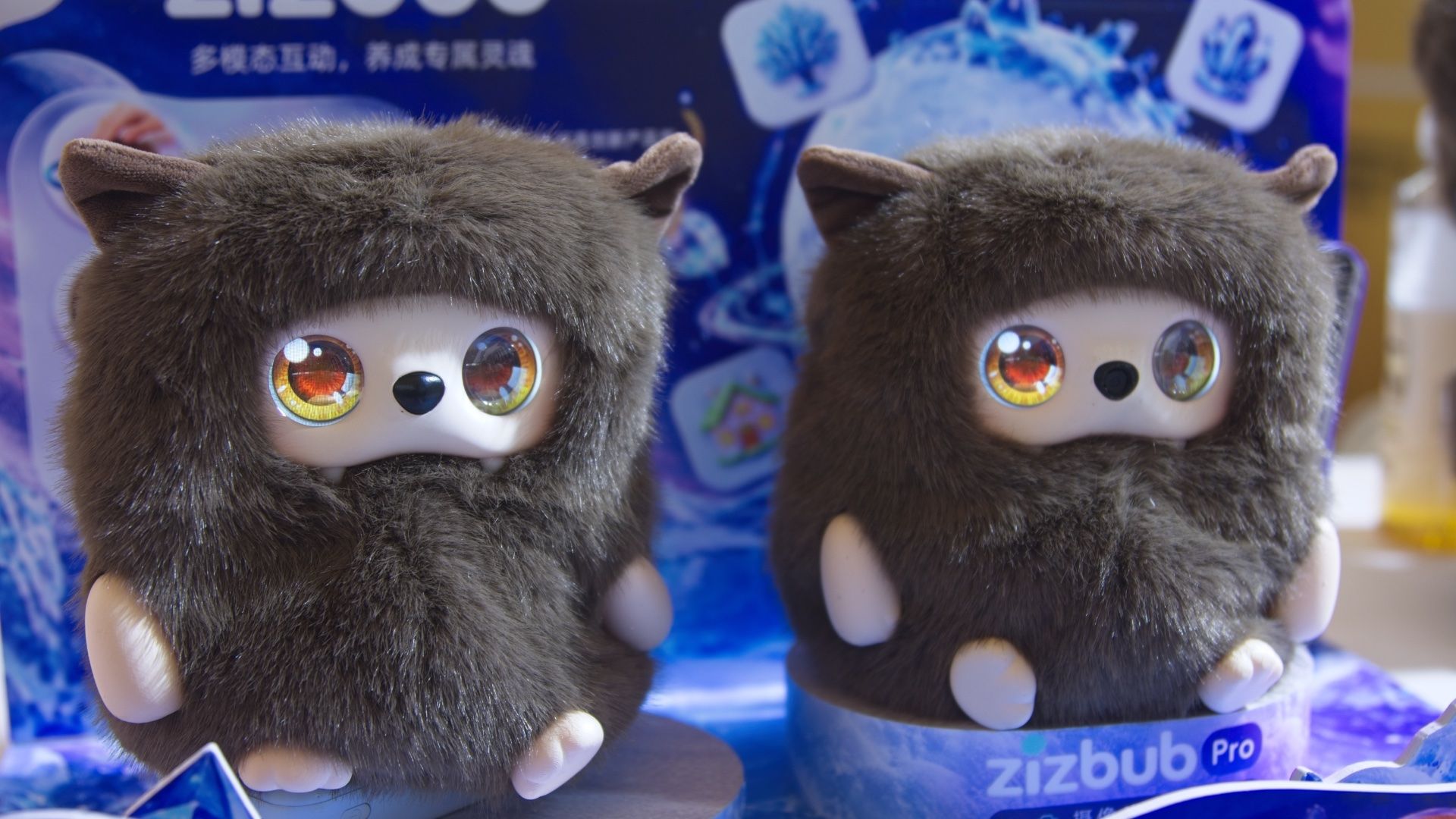
New York Governor Kathy Hochul has signed a bill that effectively bans the sale of toys with built-in AI chatbots within the state over concerns about what they might say to kids. But the ban will come too late for this Holiday season, leaving parents at risk of buying toys without realizing the risks that they could pose to their children. The ban will come into effect 90 days from Tuesday, November 24, WXXI News reports, and targets toys like stuffed animals, dolls, and robots that use a microphone and speaker to allow children to communicate with a relatively rudimentary chatbot. But with safeguards often lacking, it can be difficult to predict how these toys will behave and what they will say to young children who might not realize what they are speaking to.
New York's ban comes after similar moves by other states around the United States, with California already announcing a four-year moratorium on the sale and manufacturing of AI toys to children under 16. Pennsylvania is also considering similar action. Back in New York, Hochul has hinted that more AI safety proposals are in the works for 2027. “We'll set clear safety standards and put independent experts inside these companies to make sure that they're following the rules, and that we'll insist that humans remain in control, and with plans to contain the danger if something does go wrong,” the governor said. There are a few ways that could happen, with State Senator Andrew Gournardes (D-Brooklyn) noting that a new Common Sense Media Your AI Safety Institute report found AI chatbot toys can undermine a child's relationships with their family and friends.
The ban will hit toy manufacturers, sellers, and operators with fines of $15,000 per day if they are found in violation. It also follows similar tech-focused child safety laws, such as requiring age verification for social media for anyone under the age of 18. Warning labels must also be present. It's possible that Hochul will look to expand that requirement to AI chatbots, including those not built into toys.
Alarm over AI chatbots is nothing new, of course, but the new wave of devices aimed at children is causing concern. Beyond the impact on children, AI psychosis continues to be an issue, with a June 2025 report finding that OpenAI's ChatGPT encouraged dangerous and untrue beliefs about a range of things, including trying to convince one user that they were Neo from the popular The Matrix movie franchise. Some companies have worked to make their products safer, with limited success. OpenAI released a new version of its ChatGPT chatbot that would be less sycophantic and push back against users more, only for those users to revolt over the move. OpenAI later rolled the change back.