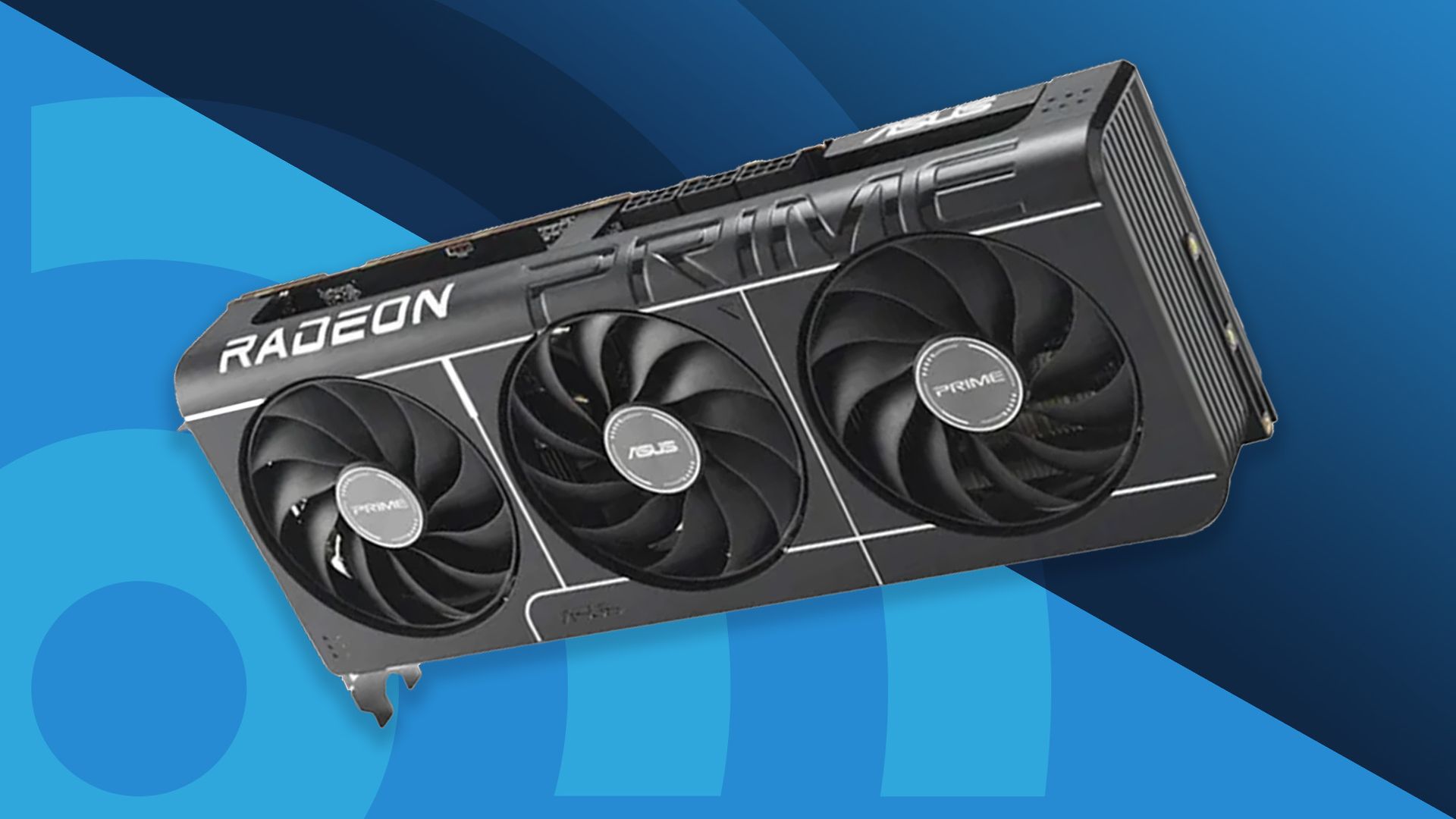
Groundbreaking graphics card releases do not occur on an annual schedule. Although hardware makers routinely introduce incremental refreshes to extract additional performance from current-generation GPUs, major architectural overhauls from AMD and Nvidia, which underpin custom designs from partners such as Asus and MSI, generally arrive every three to four years.
Given this development cycle, our top GPU recommendations rarely undergo sudden upheaval. Every card included in this guide was independently benchmarked and curated by former TechRadar Components Editor John Loeffler, following comprehensive real-world and synthetic testing across dozens of models.
Supported by hands-on benchmark results, the selections below range from the flagship Nvidia GeForce RTX 5090 to cost-effective options like Intel’s Arc B580.
At present, our number one overall recommendation is the AMD Radeon RX 9070 XT, though Nvidia’s high-end tier remains an outstanding alternative for enthusiasts willing to pay a premium.
Meet our expert reviewer
The best graphics card overall
✅ You want the best value proposition for a high-end graphics card
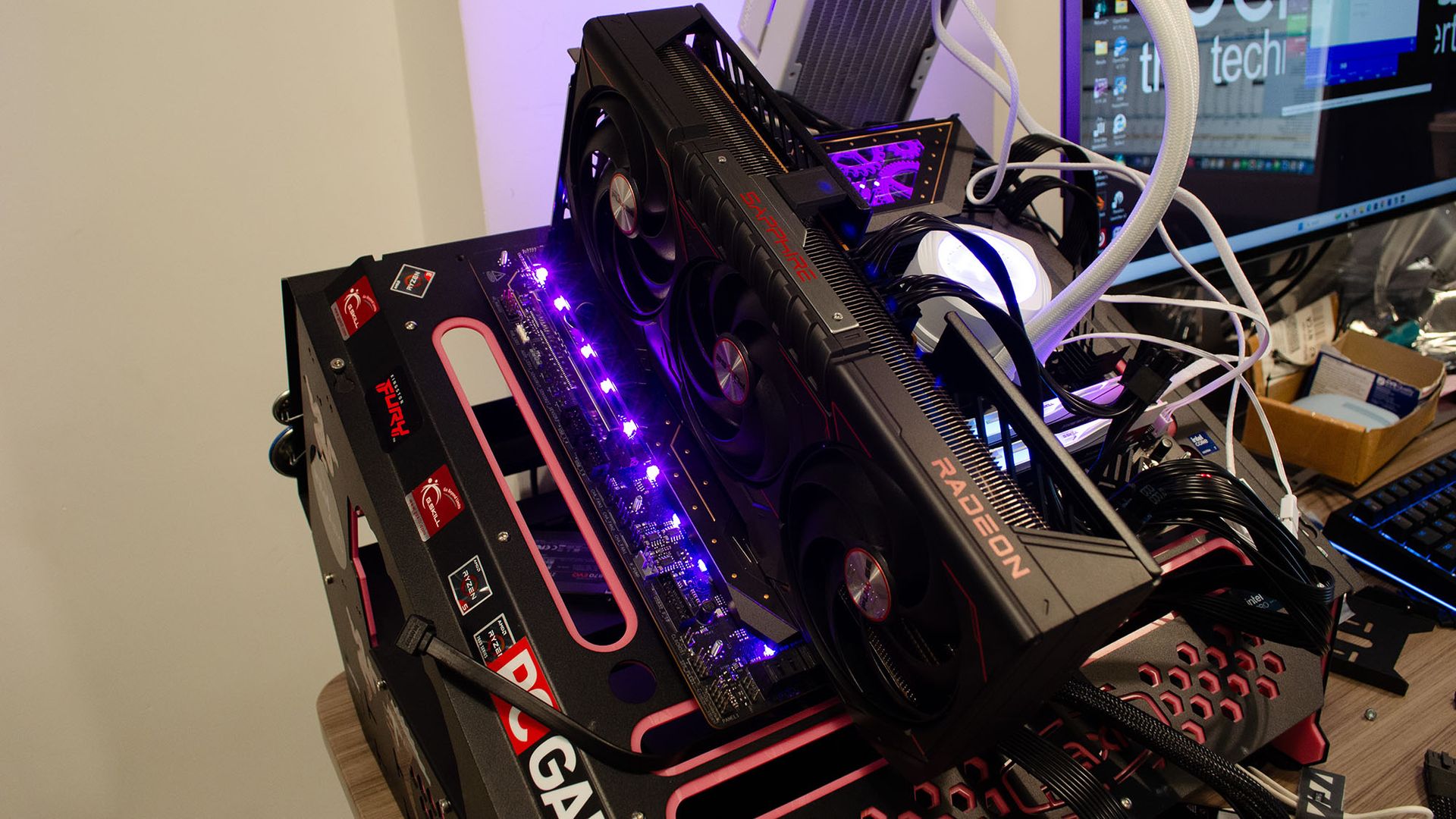
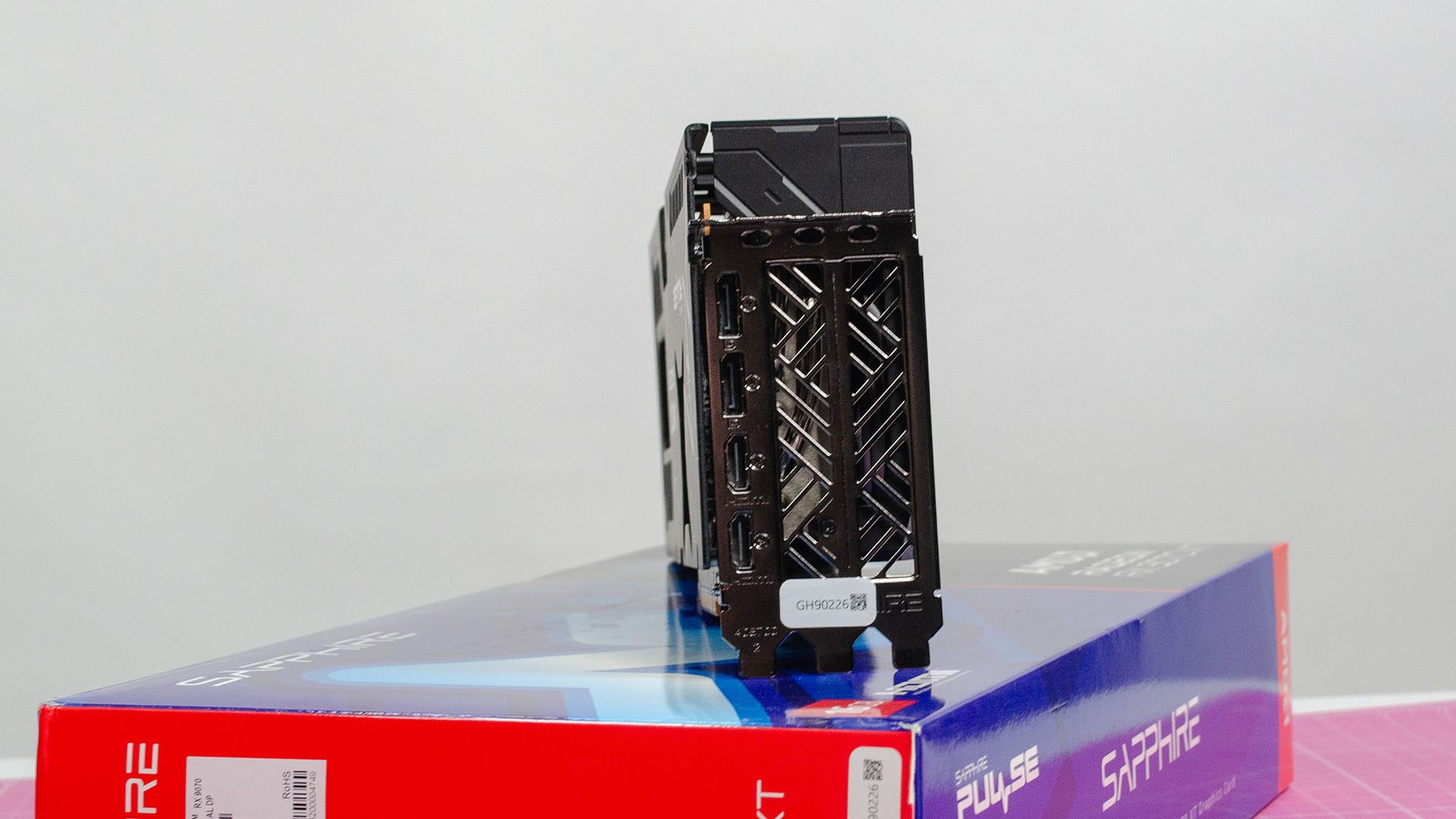
The AMD RX 9070 XT punches way above its price point with outstanding performance at 4K and 1440p.
✅ You don't want to pay inflated prices for an Nvidia GPU
Price inflation wrecking the market for Nvidia GPUs right now, but the RX 9070 XT offers a better value proposition than Nvidia's latest RTX offerings.
❌ You're on a tight budget
If you don't have a lot of money to spend, this card is likely more than you need.
❌ You need strong creative or AI performance
While AMD is getting better at creative and AI workloads, it still lags far behind Nvidia's competing offerings.
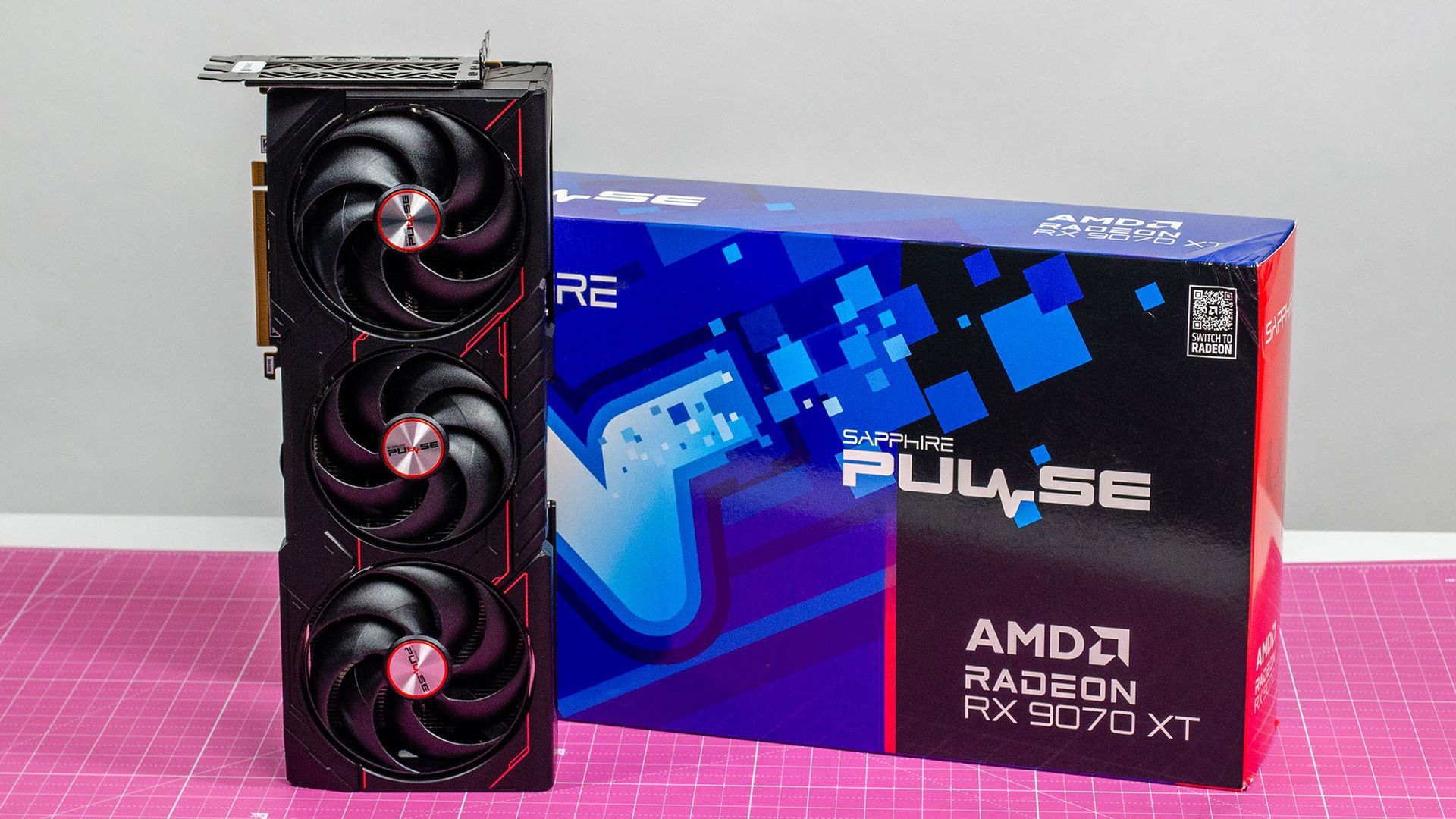
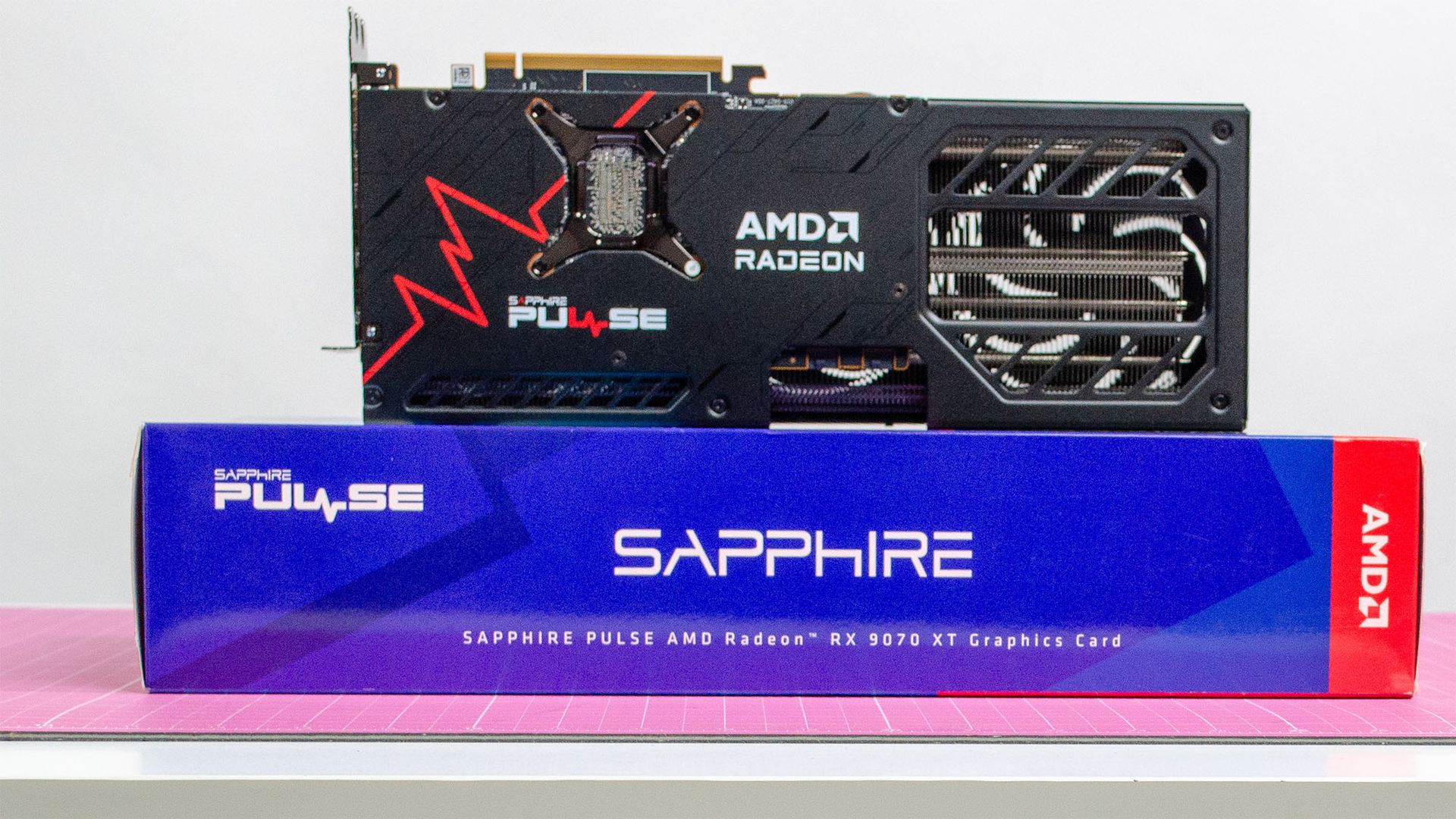
I spent about two weeks testing the AMD Radeon RX 9070 XT for my review of AMD's latest flagship GPU, and it’s without question one of the best gaming GPUs I’ve ever used.
With performance that nearly matches the Nvidia GeForce RTX 4080—at half the launch price—it’s an unbeatable deal. AMD’s always had fewer supply issues and less scalping compared to Nvidia, so I expect the RX 9070 XT to remain accessible at around its $599 MSRP, which should be a huge relief for anyone weary of overpriced, understocked cards.
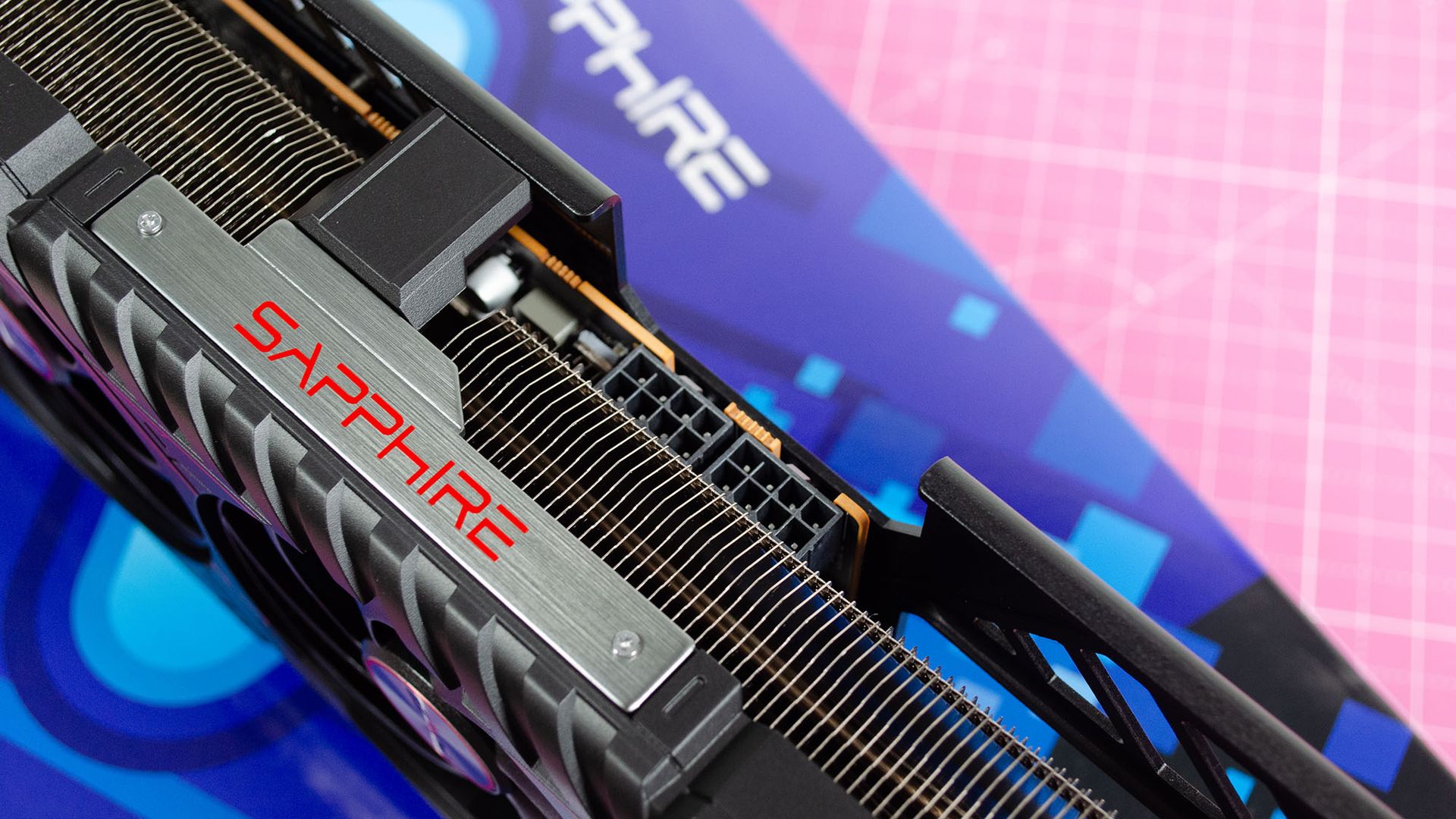
In my testing, I saw power draws of up to 309W, which is high, but given the performance level for this card, I won't say it's out of bounds. You'll need to make sure that your case can fit a triple-fan card and supply it with enough power, so it might not be ideal for small form factor builds. It also won’t blow you away with creative or AI tasks if my test results are any indication, but for pure gaming, it's fantastic.
In my testing, the RX 9070 XT got within 7% of the RTX 4080 and beat out every single last-gen AMD card, delivering high frame rates in some very demanding games, and providing a smooth gaming experience overall, even at 4K in many cases. Its fantastic value, especially in a graphics card generation that is largely lacking in excellent price-for-performance offers, makes this not only a massive breath of fresh air for the market but a new GPU offering that any PC gaming fan should be excited about.
Read the full AMD Radeon RX 9070 XT review
Also consider
Nvidia GeForce RTX 5070 Ti
While slightly more expensive, the RTX 5070 Ti is a better all-around performer, making it worth the extra money, especially if you're keen to do more than game on it.
Read our in-depth Nvidia RTX 5070 Ti vs RX 9070 XT analysis
AMD Radeon RX 9070
While not as powerful, the Radeon RX 9070 is still a fantastic 1440p performer at a lower price point than its beefier sibling.
Read our in-depth AMD RX 9070 XT vs RX 9070 analysis
The best budget graphics card
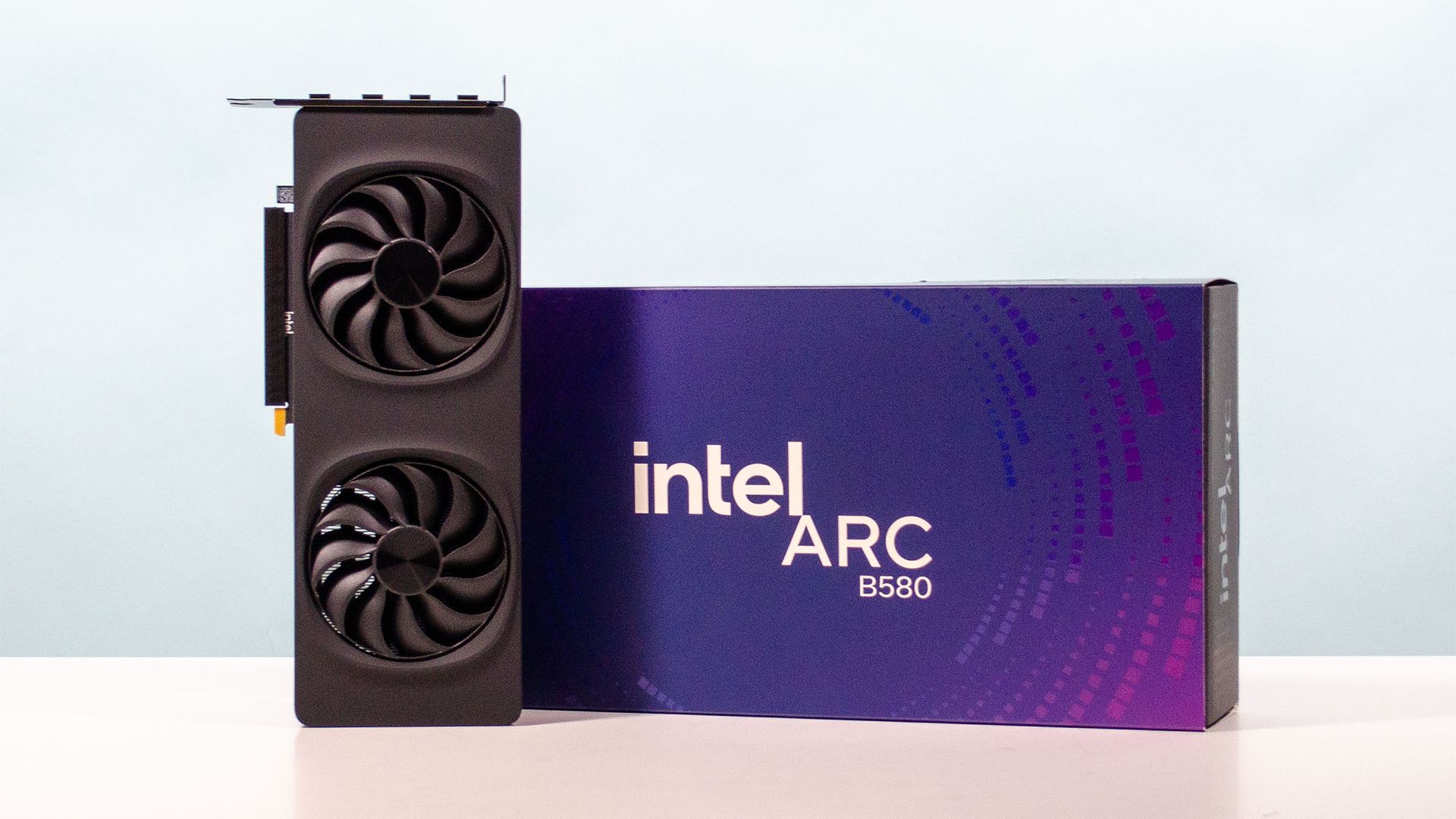
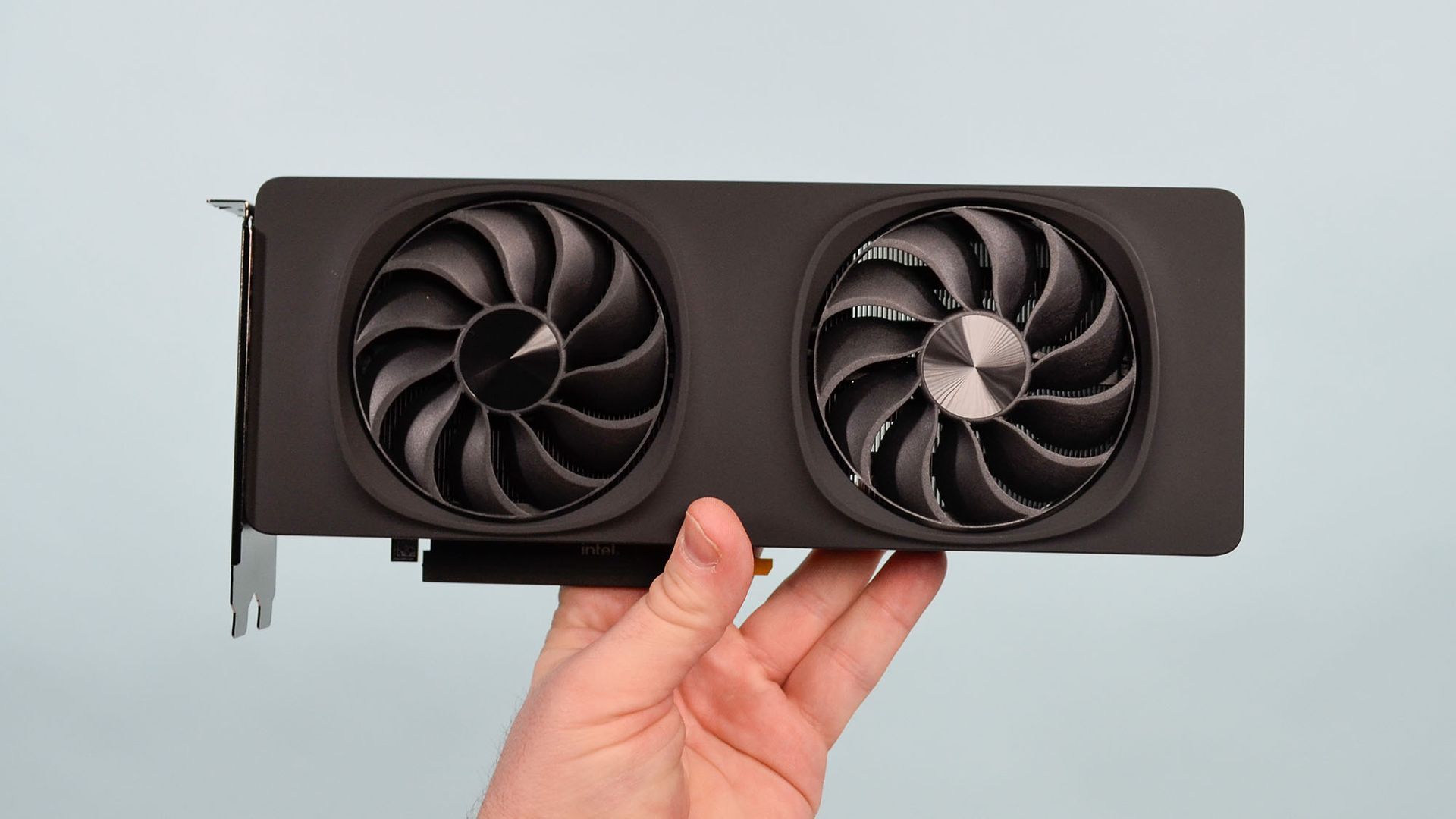
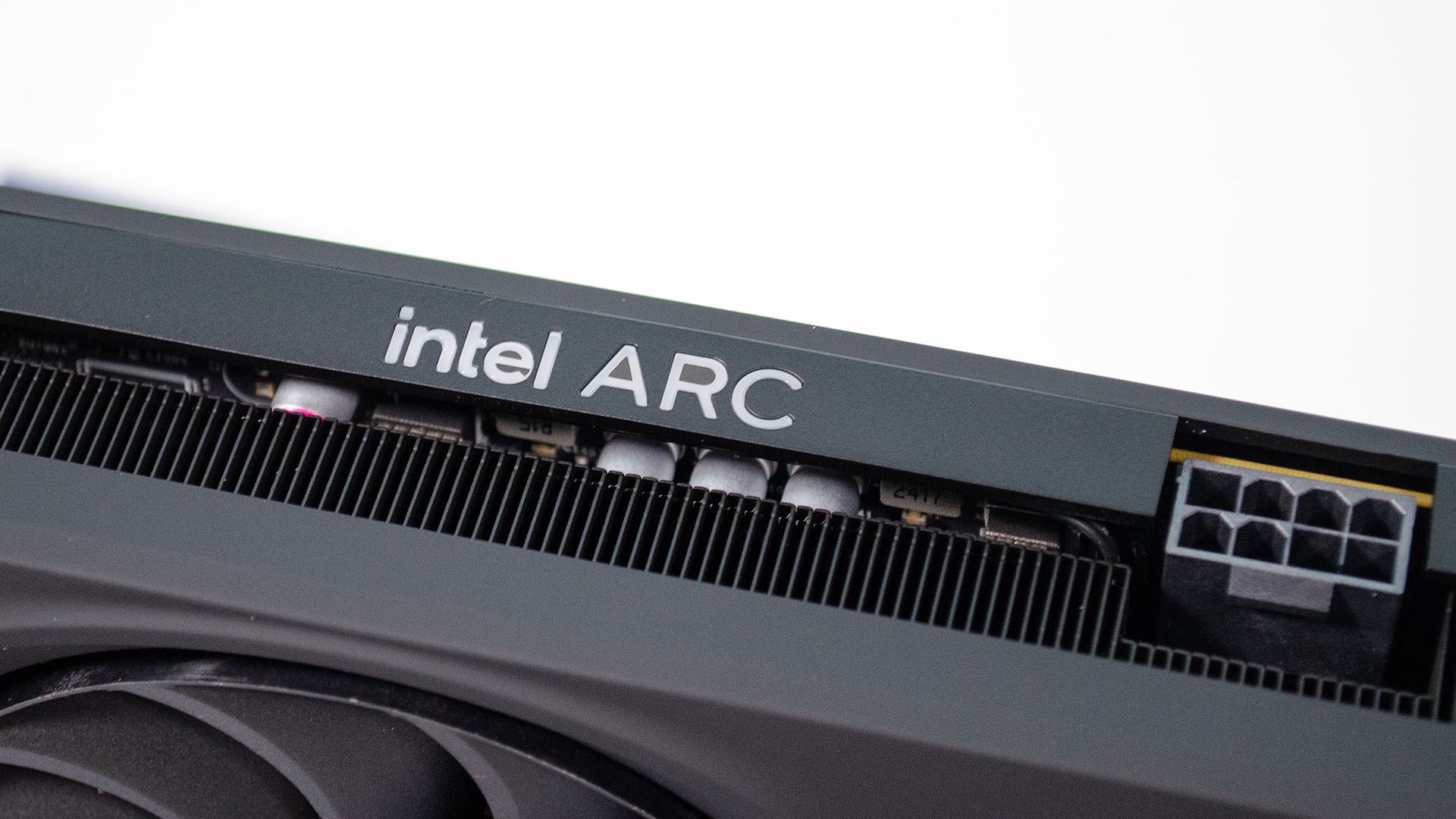
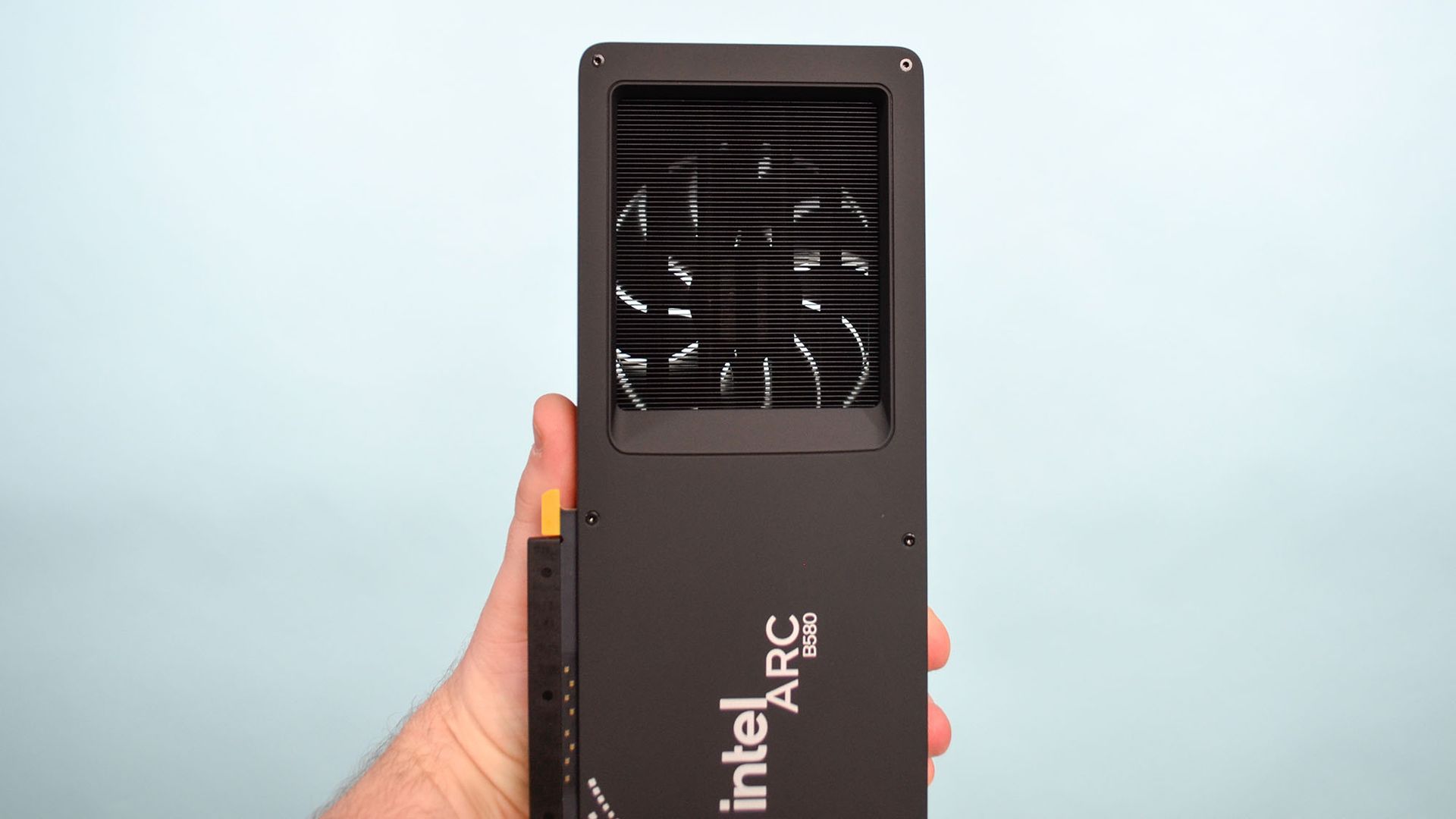
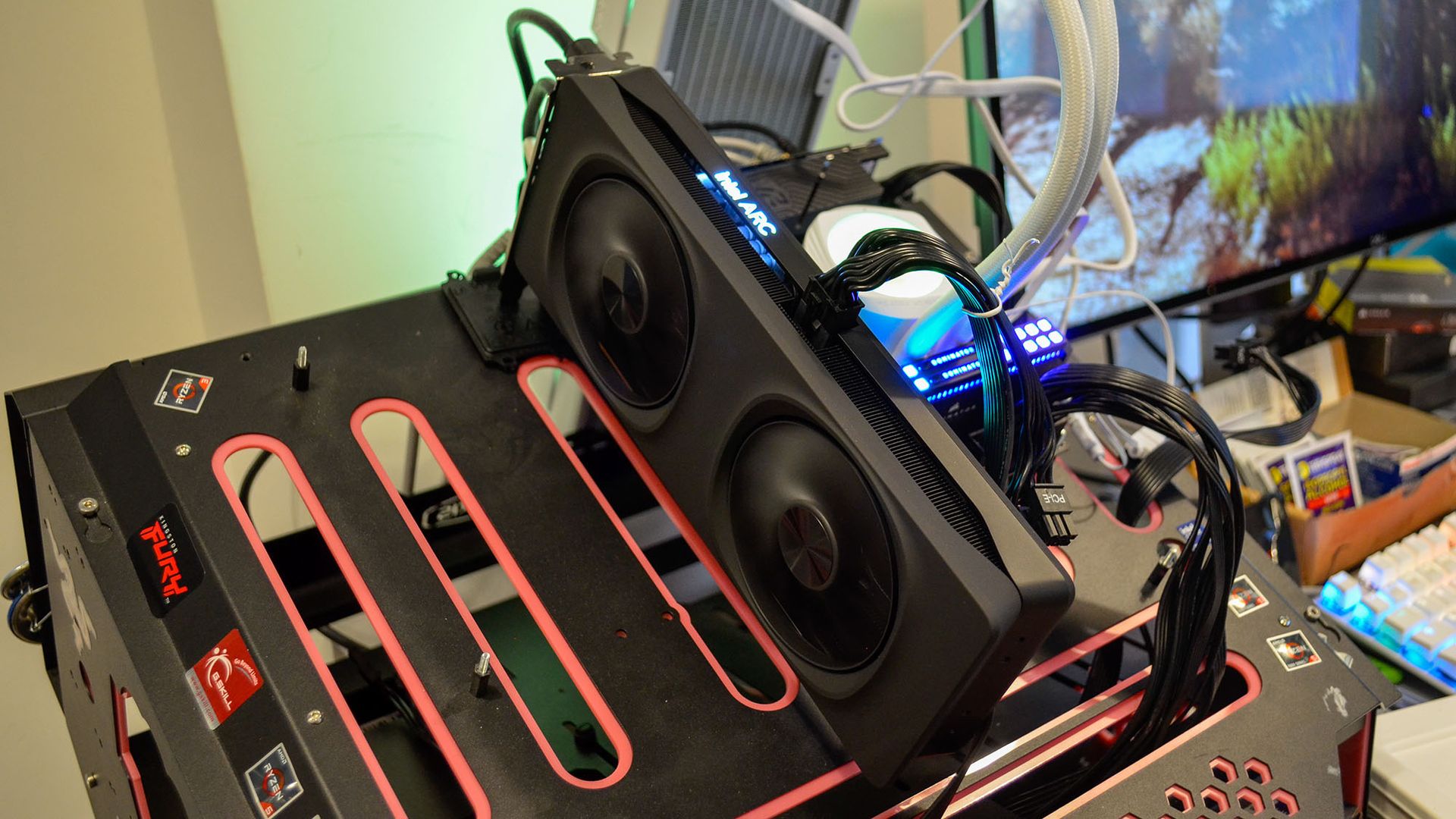
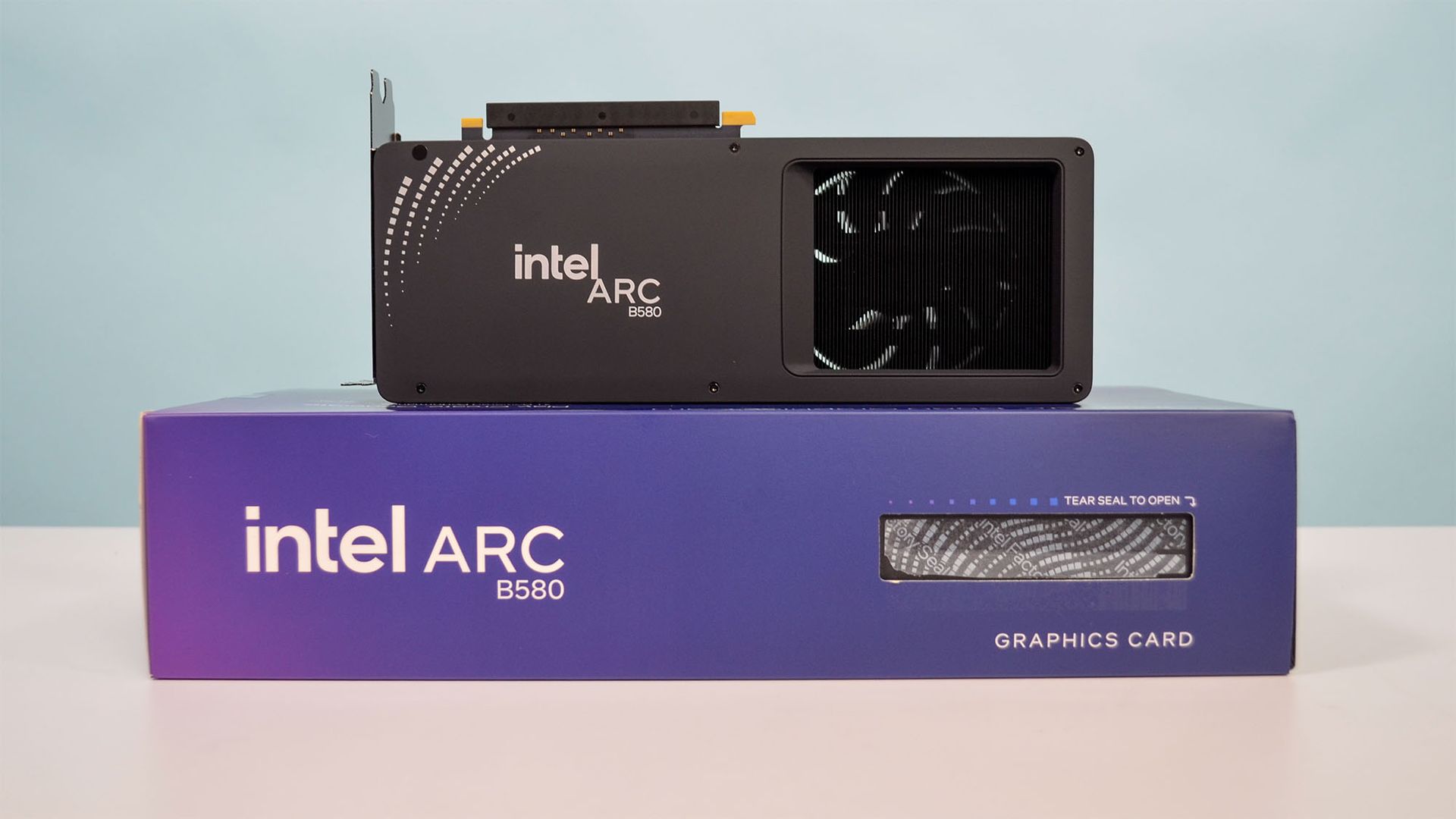
✅ You want a great graphics card on a budget. The Intel Arc B580 is a steal at MSRP. No other card at $250 is going to be this good at 1440p gaming.
✅ You're looking for great gaming performance. Speaking of performance, the gaming chops on the Arc B580 aren't just a value proposition. You won't be sacrificing performance with this card.
❌ You're looking for a budget creative GPU. While the B580 has some promise as a video editing card, if you're looking for a GPU for creative work, Nvidia cards are the better bet.
❌ You want a cheap GPU for AI workloads. Like its creative prowess, the Intel Arc B580 is decent enough for dedicated AI workloads, but can't hold a candle to competing Nvidia cards.
The Intel Arc B580 was the biggest GPU surprise of 2024 when it launched last December, greatly impressing me with its phenomenal 1440p gaming performance in my tests for under $250/£250/AU$450 at MSRP, something AMD and Nvidia have failed to do for two generations now.
What's more, any issues that Intel's previous Arc Alchemist GPUs suffered from seemed to have been ironed out with this latest release, earning a rare 5-star review from me in my review.
While the card has its drawbacks (its ray tracing performance lags behind Nvidia's and it's not the best creative GPU out there for the money, for example), this is strictly a GPU for gamers, and considering how long it's been since PC gamers have had a compelling graphics card at this price point, it's simply in a class of its own.
That said, if you want the absolute best graphics card performance at 1440p or 1080p, there are better cards for that, like the Nvidia GeForce RTX 4060 Ti. But those other cards are substantially more expensive, and they just don't offer a good enough reason to buy them when the Arc B580 is right there, offering nearly equal performance on average and costing 10%-40% less than its competition.
So if you're looking for the best budget graphics card but don't want to sacrifice performance, this card is exactly what you are looking for.
Read the full Intel Arc B580 review
Also consider
Intel Arc B570
If all you're looking for is 1080p gaming on the cheap, the Arc B570 can offer you solid 1080p gameplay at a much lower price, though it won't be able to offer you much else than that.
Read our in-depth Intel Arc B580 vs B570 analysis
Nvidia GeForce RTX 4060
Nvidia's cheapest graphics card on the market isn't a slouch when it comes to performance, especially at 1080p, with some good 1440p performance when using reasonable settings.
Read our in-depth Intel Arc B580 vs Nvidia RTX 4060 analysis
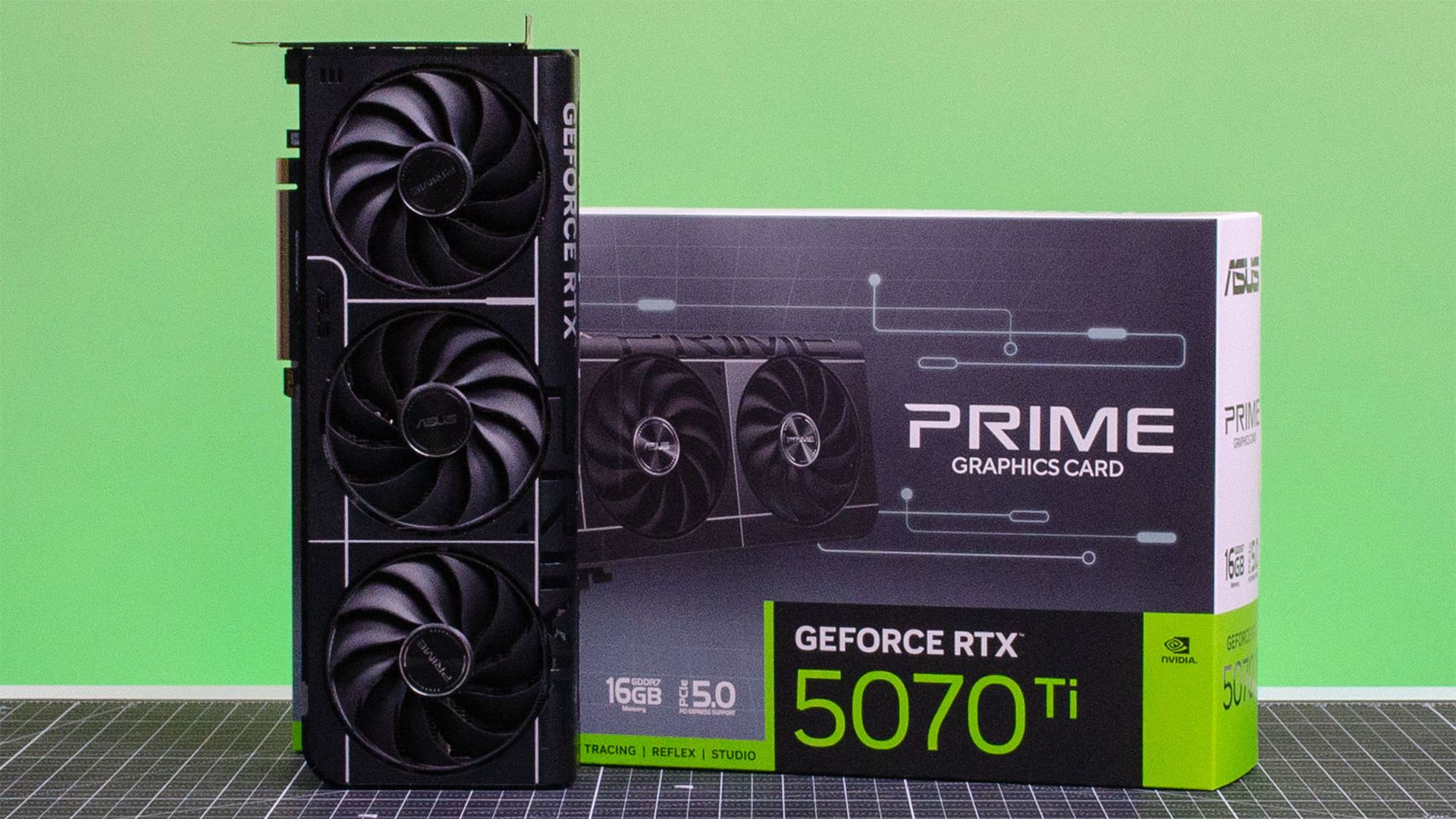
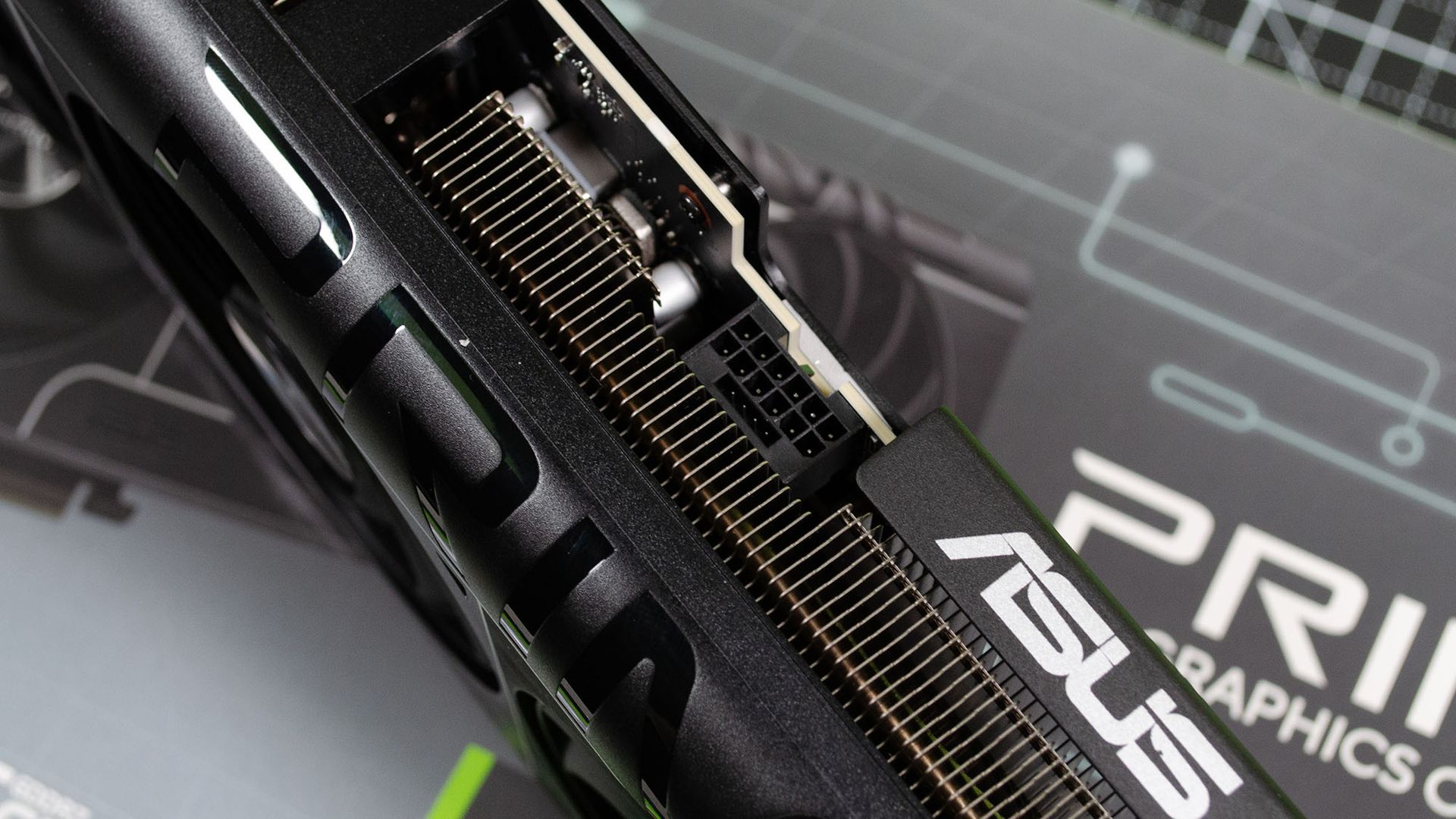
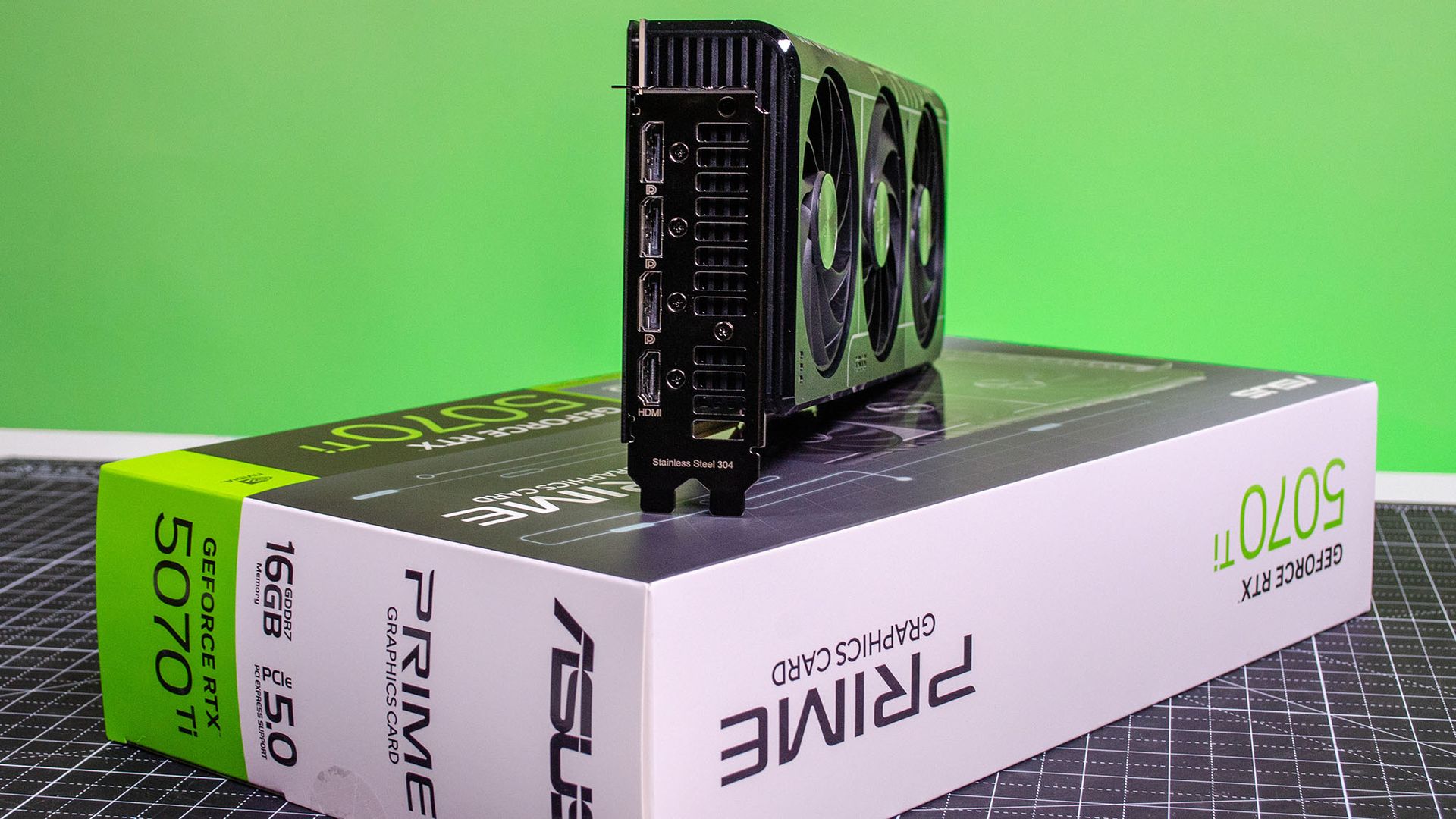
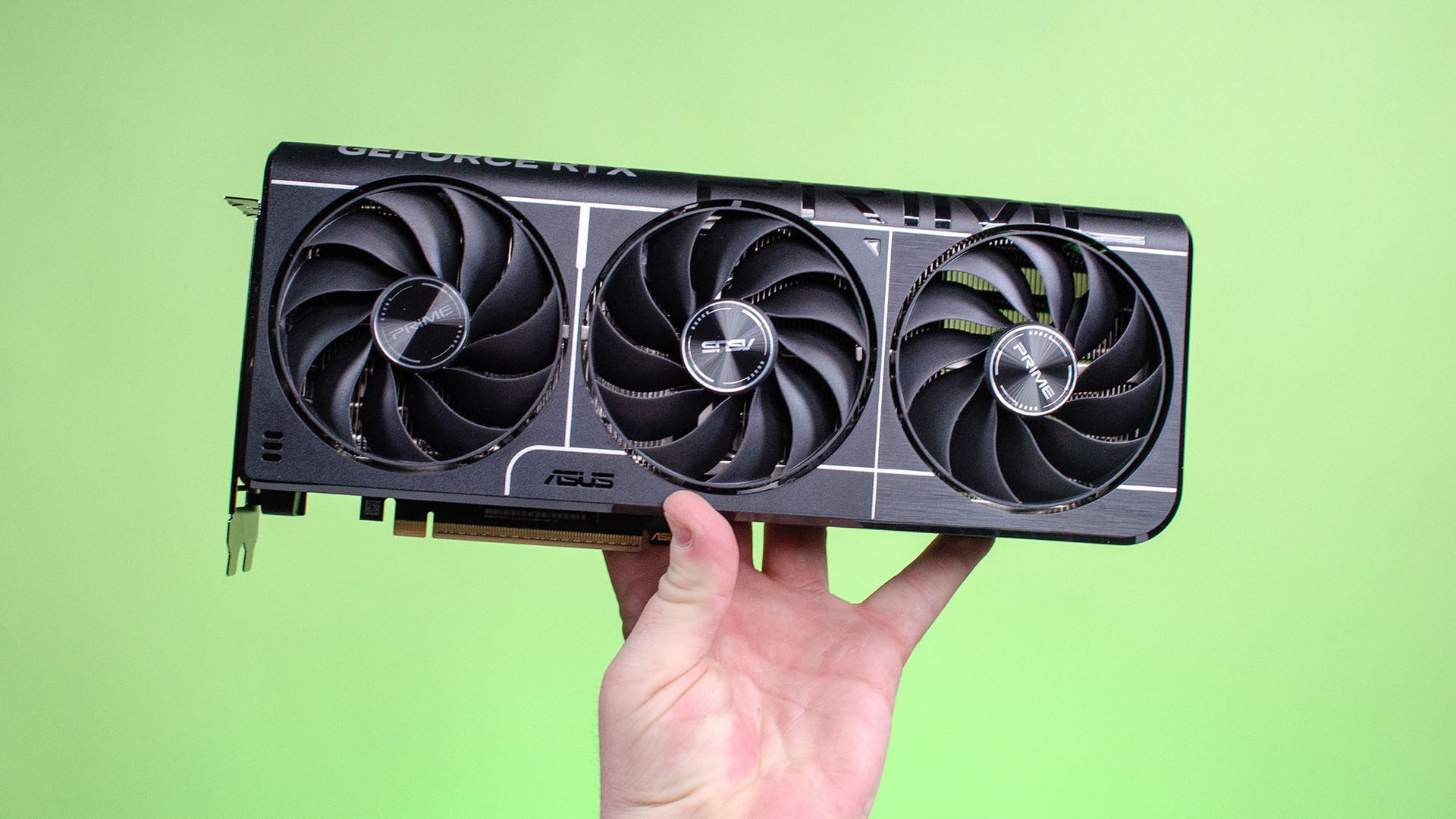
❌ You want the very best performance: While the performance of the RTX 5070 Ti is fantastic, there are better (though more expensive) graphics cards you can buy to maximum performance.
❌ You're on a tight budget: While the MSRP on this card is great for an enthusiast-grade GPU, it's still very expensive for most buyers.
❌ You don't plan on gaming at 4K: If all you're looking to do is game at 1440p, this card is likely going to be overkill, especially with more affordable 1440p GPUs on the market.
✅ You want the perfect balance of 4K performance and price: Pretty much across the board, this card delivers outstanding performance no matter the workload for less than other premium GPUs.
✅ You want fantastic creative performance on the cheap: For creative professionals, a high-quality GPU can be a very expensive proposition, but this card brings solid 3D, video, and raster performance on a budget.
✅ You want the latest Nvidia technology: DLSS 4 with Multi Frame Generation is a fantastic way to max out 4K gaming monitors.
I found the Nvidia GeForce RTX 5070 Ti to offer the best balance of performance and price across all categories that I've seen over the last two generations of Nvidia GPUs, and it's not even really close in most cases.
My test results found it gives crisp, fluid 4K gaming performance without much in the way of settings compromise in just about every game. Meanwhile, content creators or AI enthusiasts who are looking for an Nvidia GPU that can deliver top-tier performance without the kind of substantial investment normally required for a workstation GPU.
Of course, this all comes with a massive caveat, which is that you're able to find this card at MSRP. Without a Founders Edition card directly from Nvidia, pricing is ultimately in the hands of third-party partners, so there's no guarantee that you'll ever be able to find this card at the price Nvidia set for it. So depending on the price you find for this card, your value proposition may change accordingly, and other cards on this list might be better options.
Objectively speaking, however, just about every other card on this list faces the same pricing pressures that the RTX 5070 Ti does, and so on balance this card is almost certainly going to offer you the best performance for your money no matter what you're looking to use it for.
If you want it for your gaming rig, you can game at close to 90 fps on average at 4K with a fps floor of 65, which is about as good as you could want for a premium GPU, especially for its price.
Creative pros who need a dedicated GPU for 3D modeling or video editing work will especially like this card, as it comes close to matching some of the best graphics cards for creatives of the last generation, and someone upgrading from an RTX 3090 will see a big performance boost over what they have now.
If the price of Nvidia's RTX 5080 and RTX 5090 are too high for your liking but you want enthusiast-grade performance, the RTX 5070 Ti is exactly the card you're looking for.
Read the full Nvidia GeForce RTX 5070 Ti review
Also consider
Nvidia GeForce RTX 5080
While more expensive, this is the best high-end, enthusiast-grade GPU available for under a grand, making it a more premium alternative to the RTX 5070 Ti.
Read our in-depth Nvidia RTX 5080 vs RTX 5070 Ti analysis
AMD Radeon RX 9070 XT
While the RTX 5070 Ti has better performance than the RX 9070 XT, it's a very close fight between the two, and the RX 9070 XT is a good bit cheaper.
Read our in-depth Nvidia RTX 5070 Ti vs RX 9070 XT analysis
The best gaming graphics card
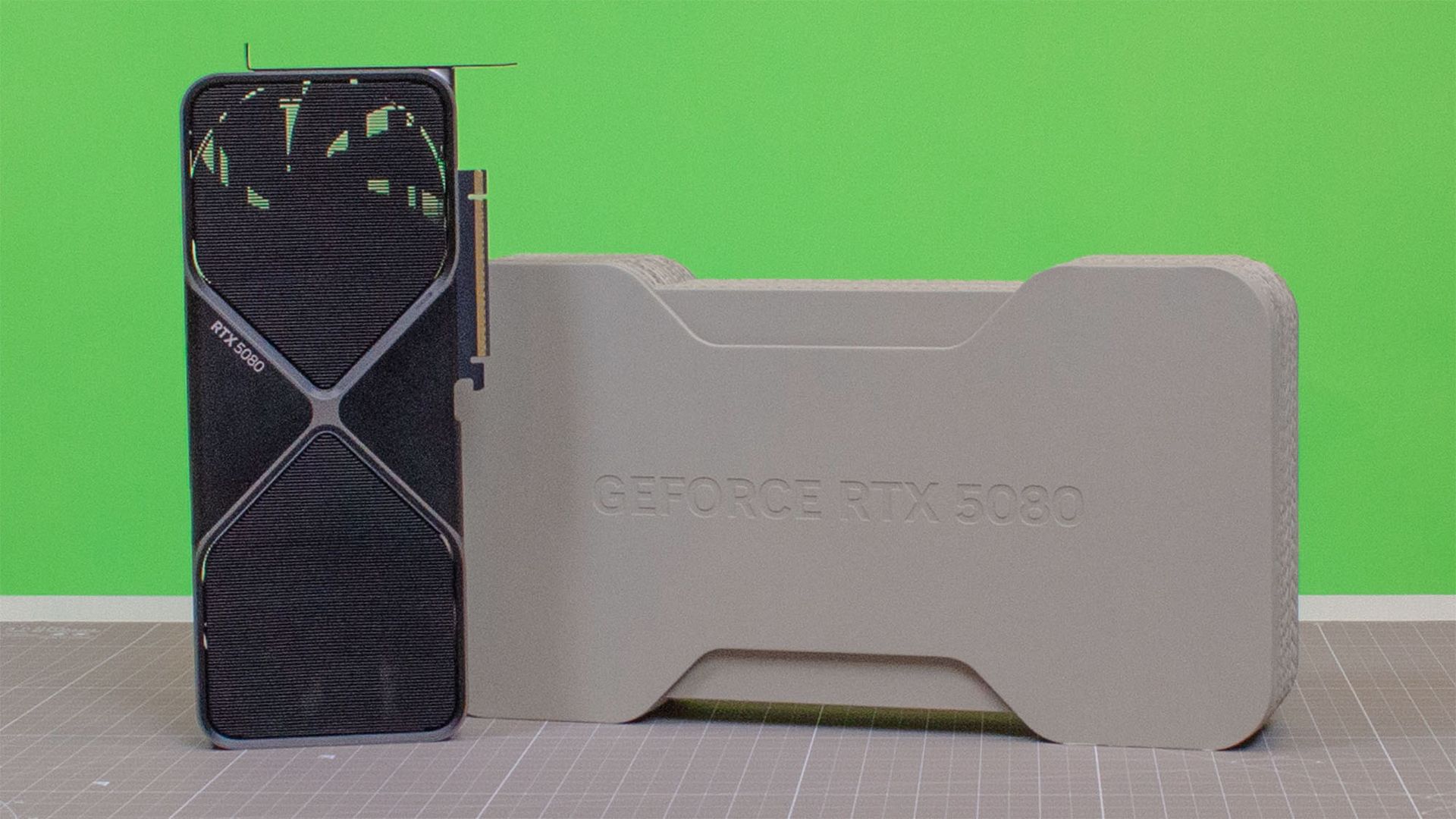
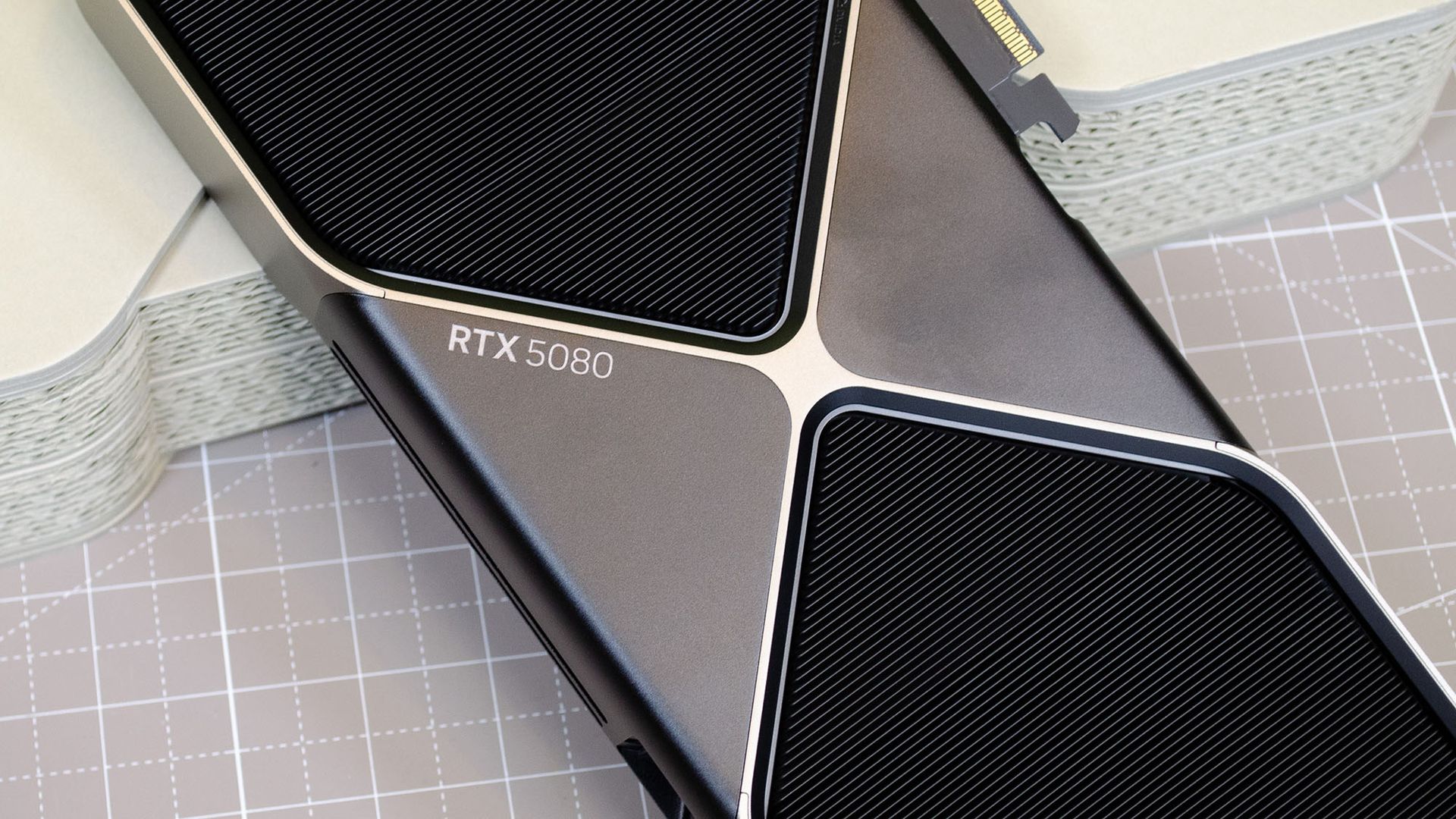
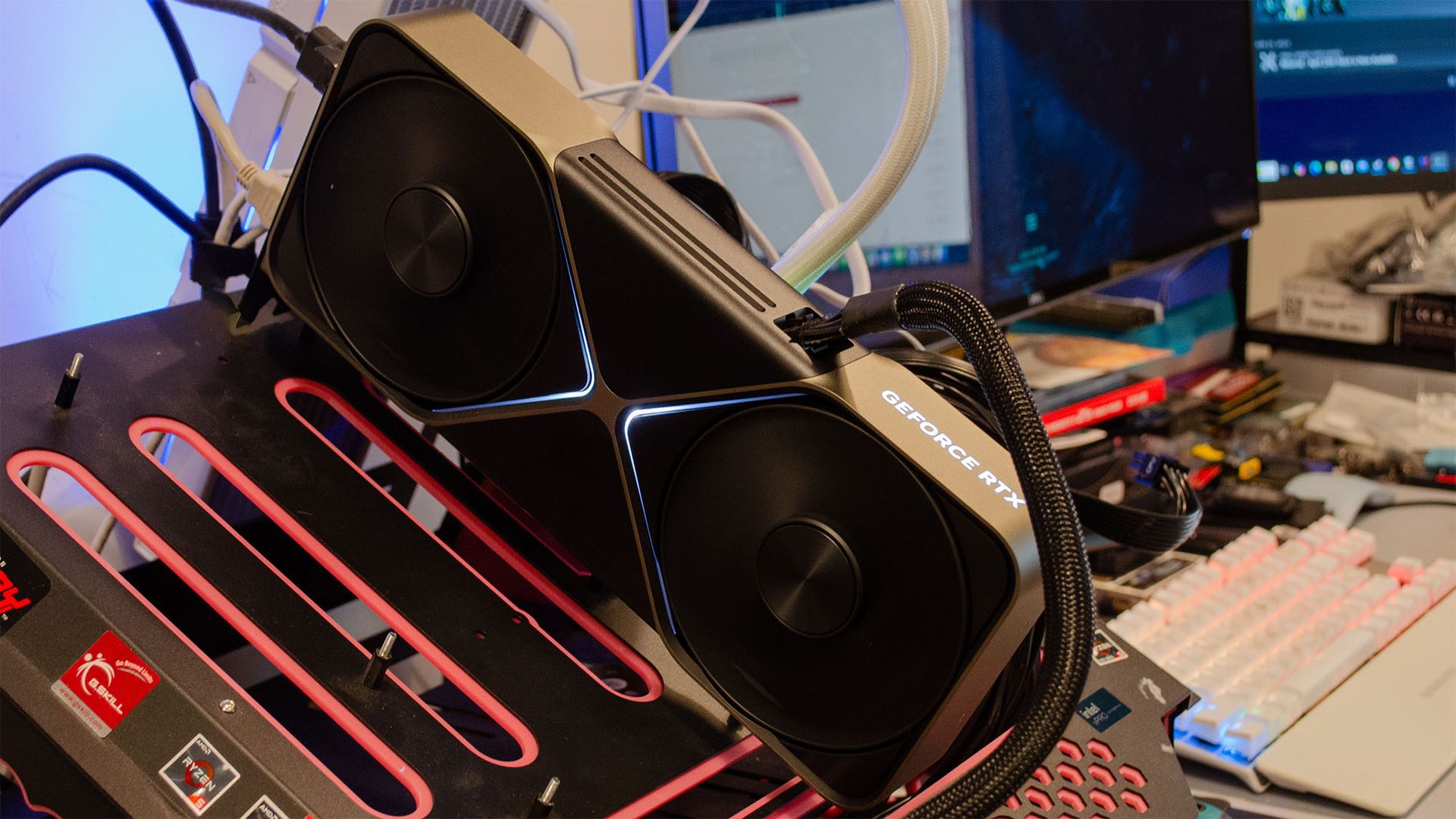
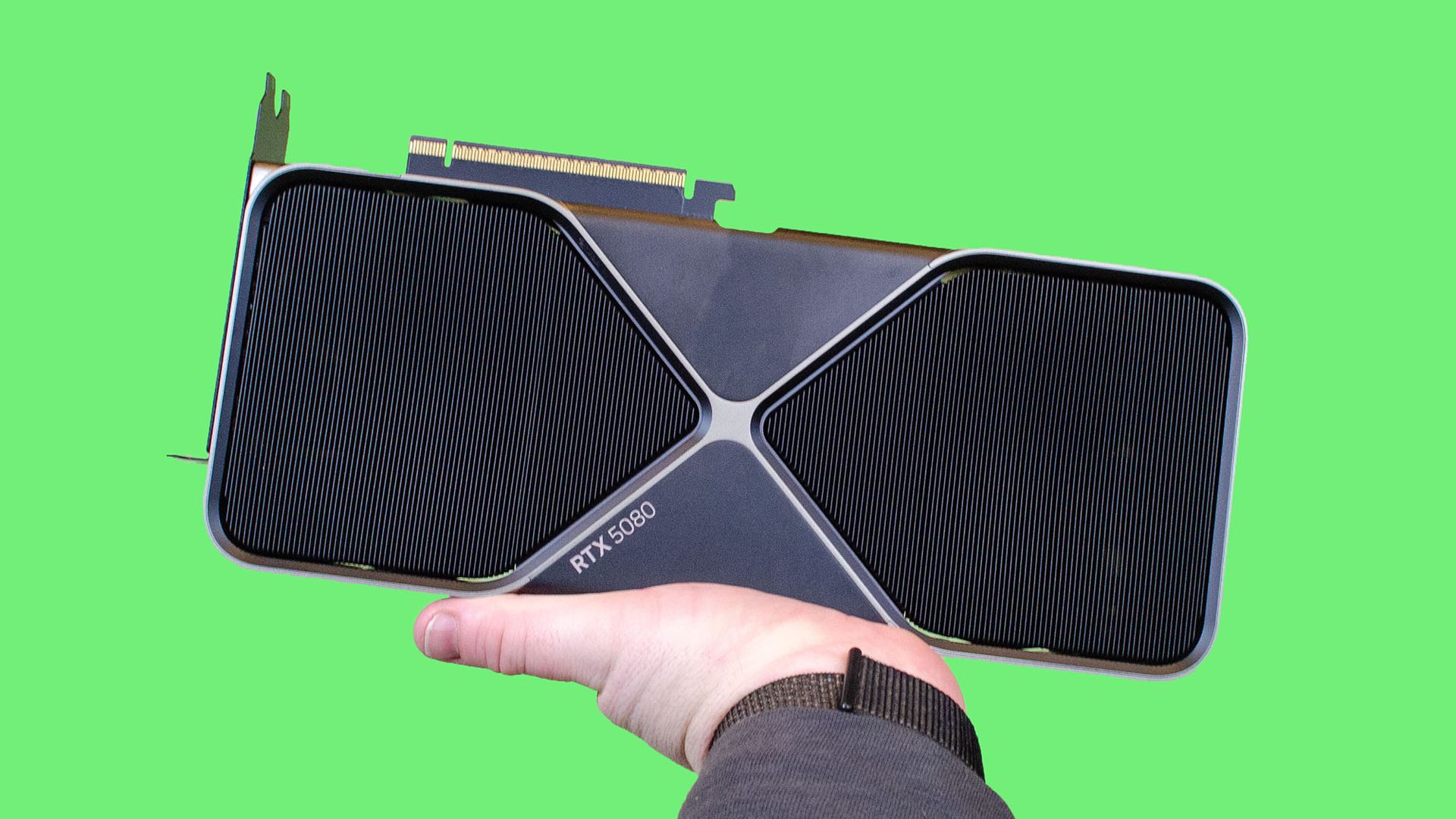
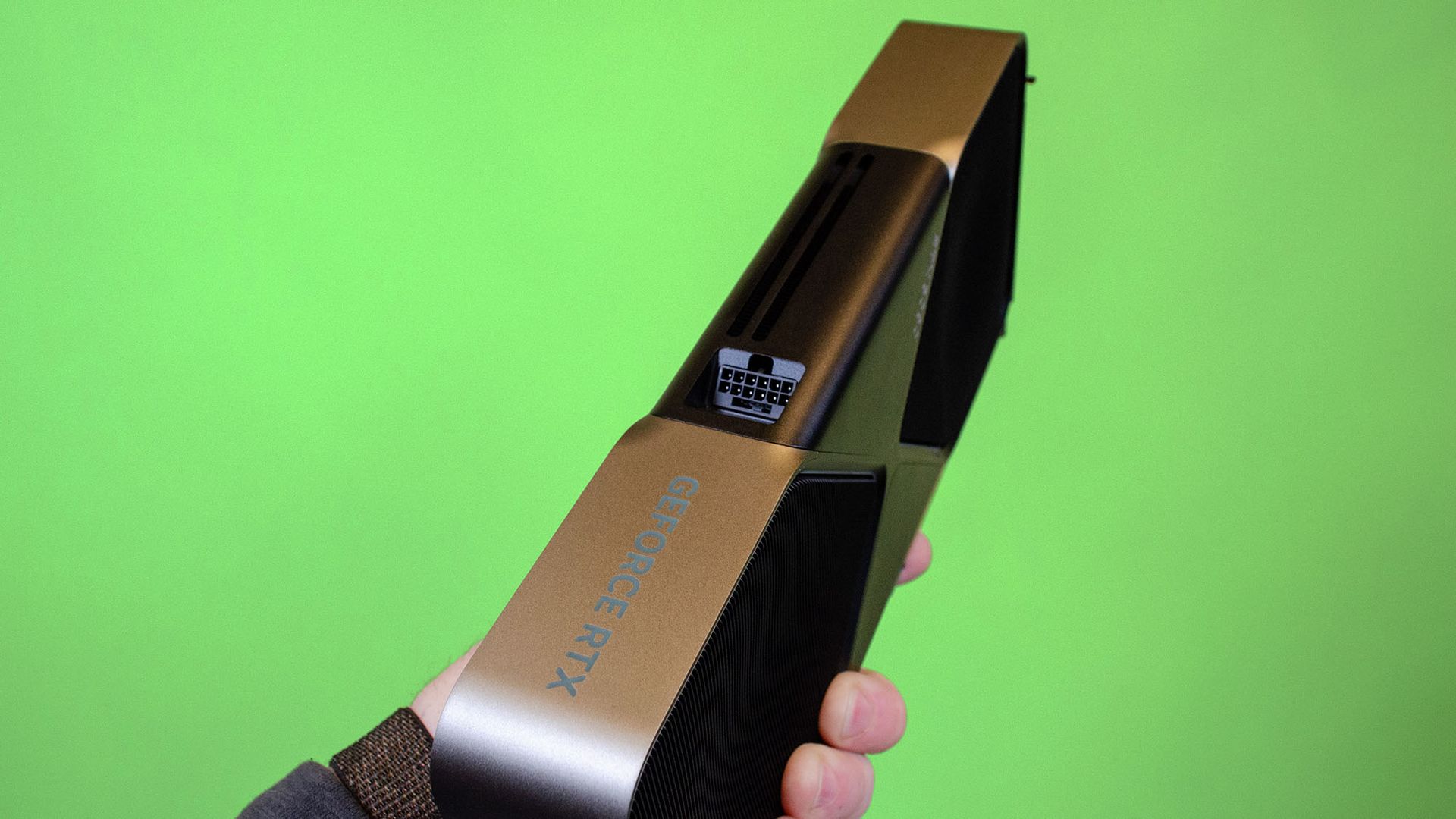
✅ You want fantastic 4K gaming performance: The RTX 5080 has some of the best 4K gaming performance you're going to find anywhere, even before factoring in DLSS 4 MFG.
✅You want very strong creative performance on the cheap: Nvidia's GPUs are miles ahead of the competition when it comes to creative workloads, and the RTX 5080 delivers fantastic performance for the price.
❌ You have anything better than an RTX 4080: The RTX 5080 isn't a huge improvement over the RTX 4080 and RTX 4080 Super, so if you have those cards, there's not much reason to upgrade.
❌ You're on a tight-ish budget: While not as pricey as the RTX 4080, RTX 4090, or RTX 5090, this is still a very expensive graphics card, even before factoring in price inflation by third-party sellers.
The Nvidia GeForce RTX 5080 is the third most powerful GPU you can buy at a price that won't force you to take out a small bank loan to buy, even though which version of the card you buy can make all the difference in terms of whether you'll be able to afford it.
This card is one of the most sought-after on the market, so it's subject to ongoing stock issues and price inflation which makes its value proposition for any given buyer a moving target.
This is especially true once you consider that the gen-on-gen uplift of this card over the RTX 4080 and RTX 4080 Super is only about 8-13% according to my testing, so if you can find the RTX 4080 and RTX 4080 Super for less than an RTX 5080, those cards might be a better value depending on their price.
It also goes without saying that anyone with an RTX 4080 or RTX 4080 Super should not get this card, as you won't see much benefit from it other than Multi-Frame Generation with DLSS 4, which is not worth spending this kind of money on.
For everyone else, though, especially those coming from the RTX 30 series or pretty much any AMD card other than the RX 7900 XTX, the RTX 5080 will blow you away—assuming you can find it in stock, that is.
Read the full Nvidia GeForce RTX 5080 review
Also Consider
Nvidia GeForce RTX 5070 Ti
If the RTX 5080 is too expensive for you, the RTX 5070 Ti offers a solid amount of performance relative to the RTX 5080 at a slightly lower price.
Read our in-depth Nvidia RTX 5080 vs RTX 5070 Ti analysis
Nvidia GeForce RTX 4080 Super
The RTX 5080 is only about 8-13% faster than the RTX 4080 Super, so if you can get the RTX 4080 Super for less than the RTX 5080, it might be a much better value.
Read our full RTX 5080 vs RTX 4080 Super analysis
The best graphics card for creatives
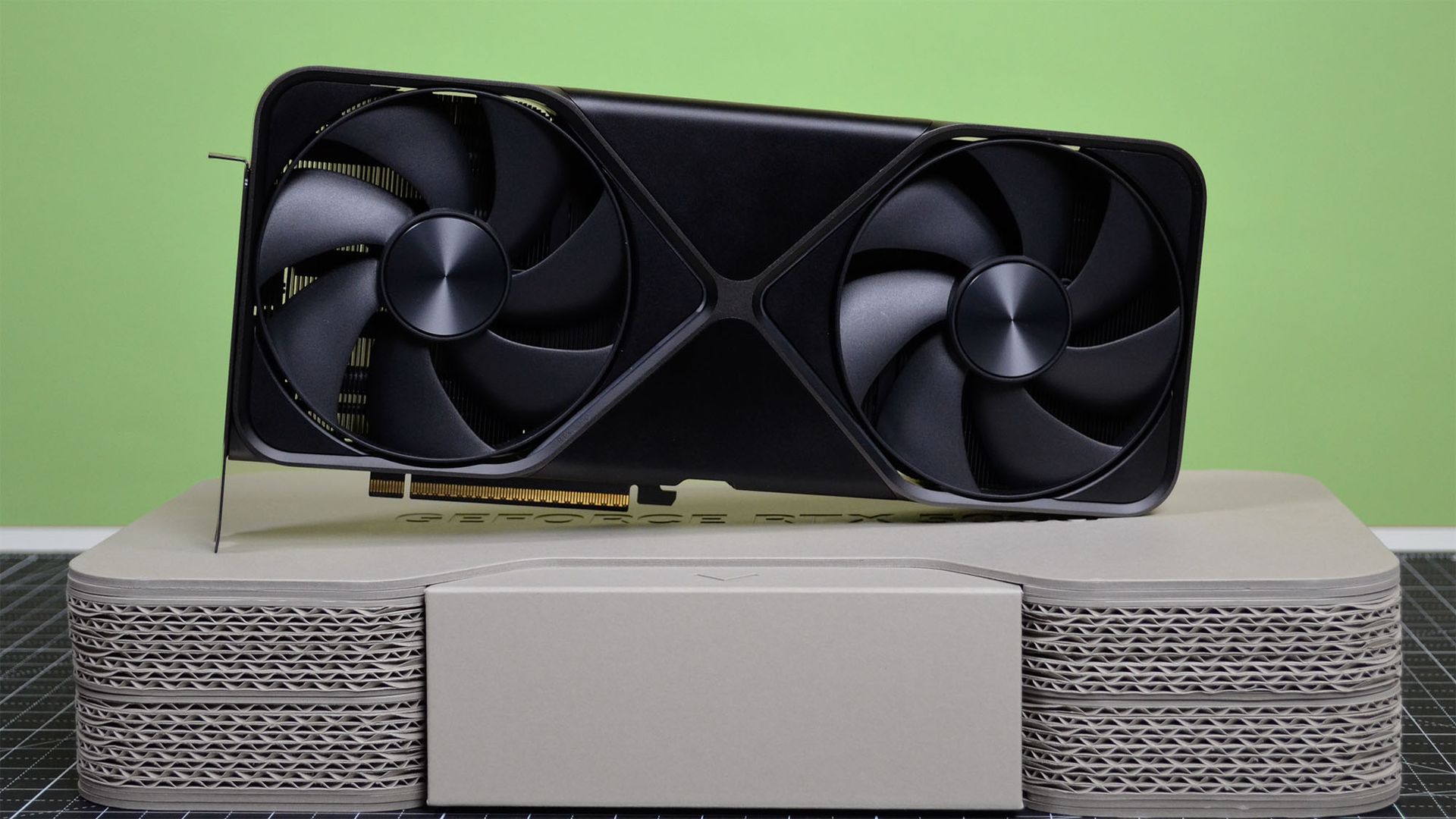
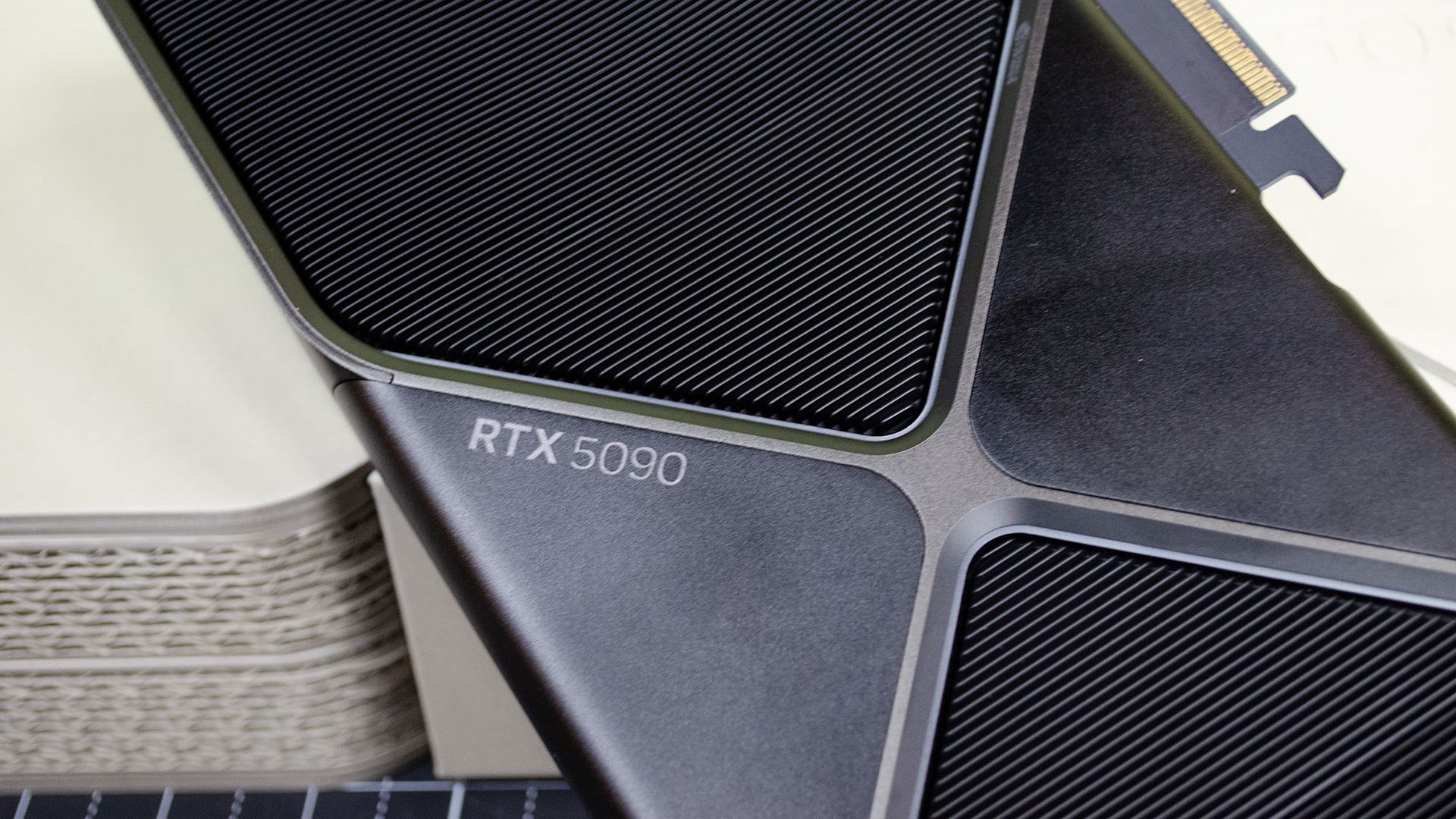
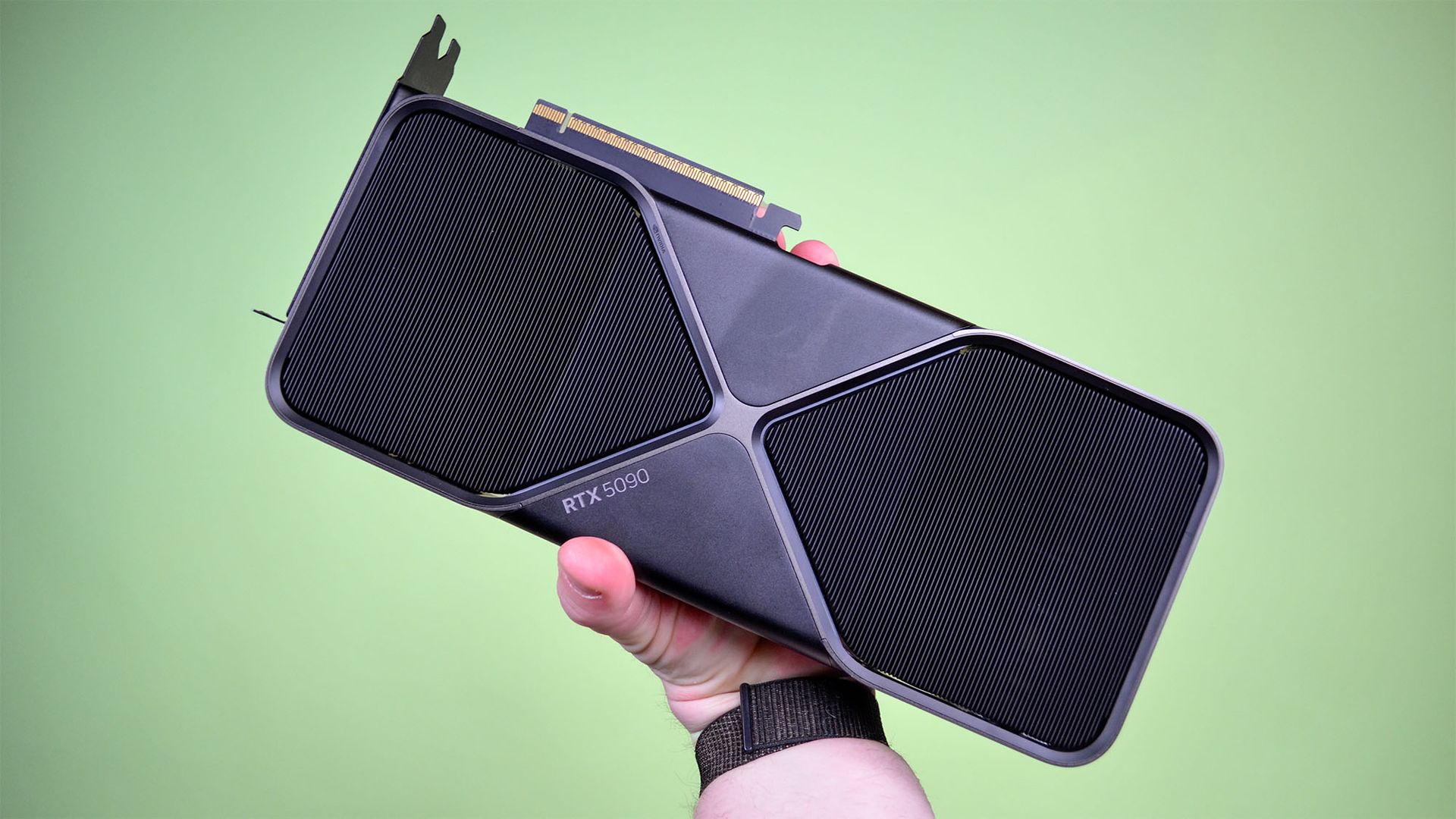

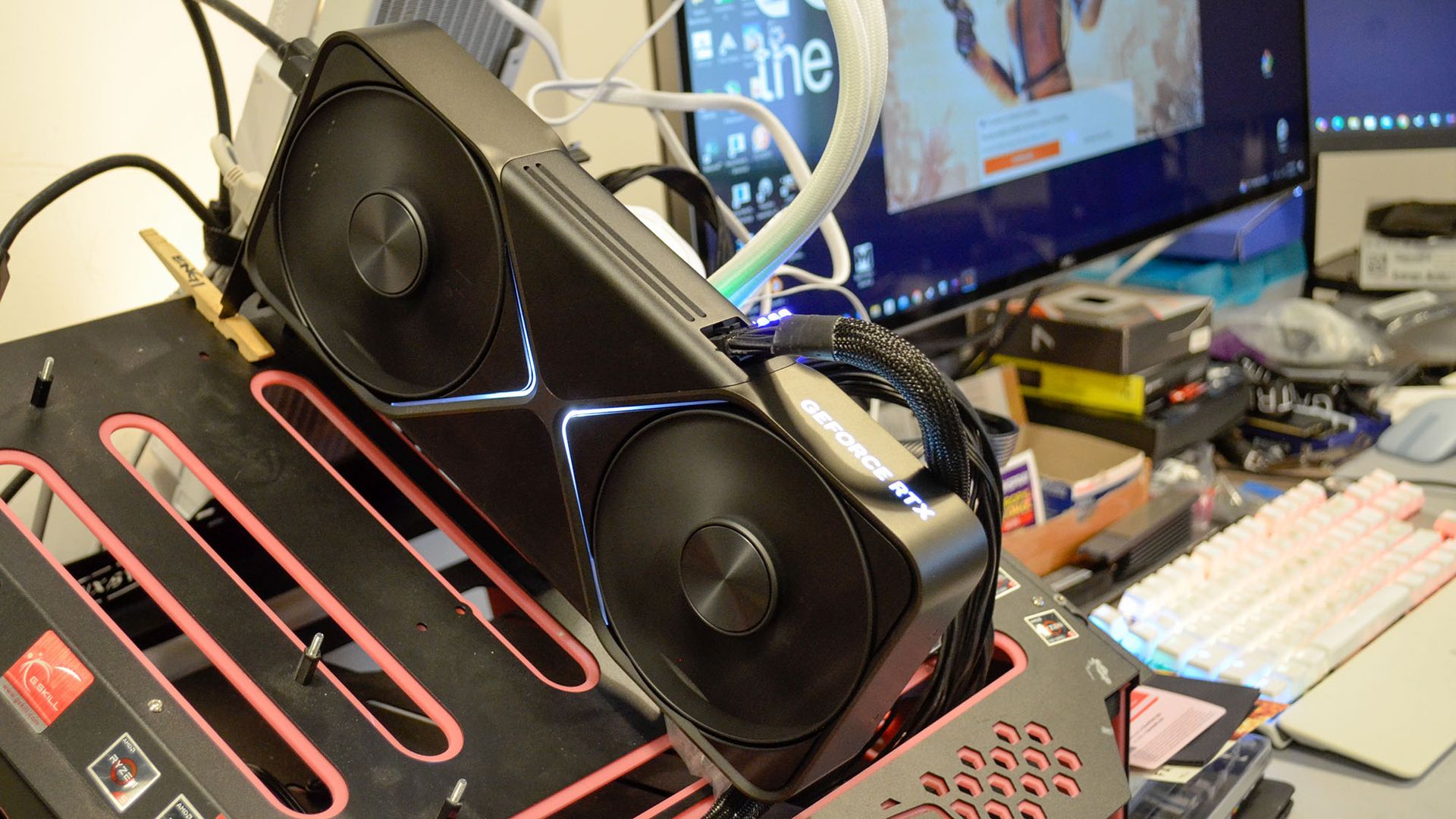
✅ You want the best of the best: The RTX 5090's performance is in a class all its own, blowing away even the vaunted RTX 4090.
✅ You do a lot of 3D modeling/rendering: The RTX 5090's 3D rendering performance is 30-40% faster than the RTX 4090, which is light years ahead of anything else, so this card is a 3D artist's dream.
✅ You're spending someone else's money: If you don't have to pay for this thing, there's no reason not to splurge on the best performance available.
❌ You're not a creative or machine-learning professional: While the gaming prowess of this card is undeniable, it's honestly extreme overkill for 99% of gamers out there.
❌ You aren't flush with cash: Honestly, unless you're loaded to bear with fat stacks of cash, there are graphics cards out there that will get you phenomenal performance at a fraction of the price.
If you're looking for the best possible performance for your creative work—and who isn't? Time is money, after all—then this is really really the holy grail for creatives (not to mention AI professionals).
Whether you're working with 3D modeling and rendering in a professional capacity, you're a video production professional, or you're an AI researcher, Nvidia's GPUs have long been the standard for commercial and academic use, but the RTX 5090 is in a whole other league.
With a massive 33% increase in multiprocessors, including industry mainstay CUDA and Tensor cores, and 32GB VRAM that is faster than the last-gen's best, the RTX 4090, which 'only' had 24GB VRAM.
For the gamers and enthusiasts out there who are determined to flex on their friends with this card, my testing found it was nothing short of overkill for every game I tested it with. It's the only graphics card that's truly capable of handling native 8K gaming, thanks to its massive VRAM pool and enormous memory interface, but it's also the only graphics card I've tested where you can get actually playable native 4K gaming with ray tracing maxed out.
Of course, all this performance isn't cheap, and you could buy a used car with a year or two of life in it for the same price as this card's MSRP, and there's no way you're ever going to find it at MSRP. What's more, its frankly scandalous power consumption tops out around 575W, so expect a hefty power bill to go along with this already super-premium GPU.
Read the full Nvidia GeForce RTX 5090 review
Also consider
Nvidia GeForce RTX 4090
If you're looking at the RTX 5090, then there's really only one alternative, and that's the RTX 4090. While not as powerful as the RTX 5090, it's still the second most powerful consumer graphics card in the world.
Read our in-depth Nvidia RTX 5090 vs RTX 4090 analysis
The best 1440p graphics card
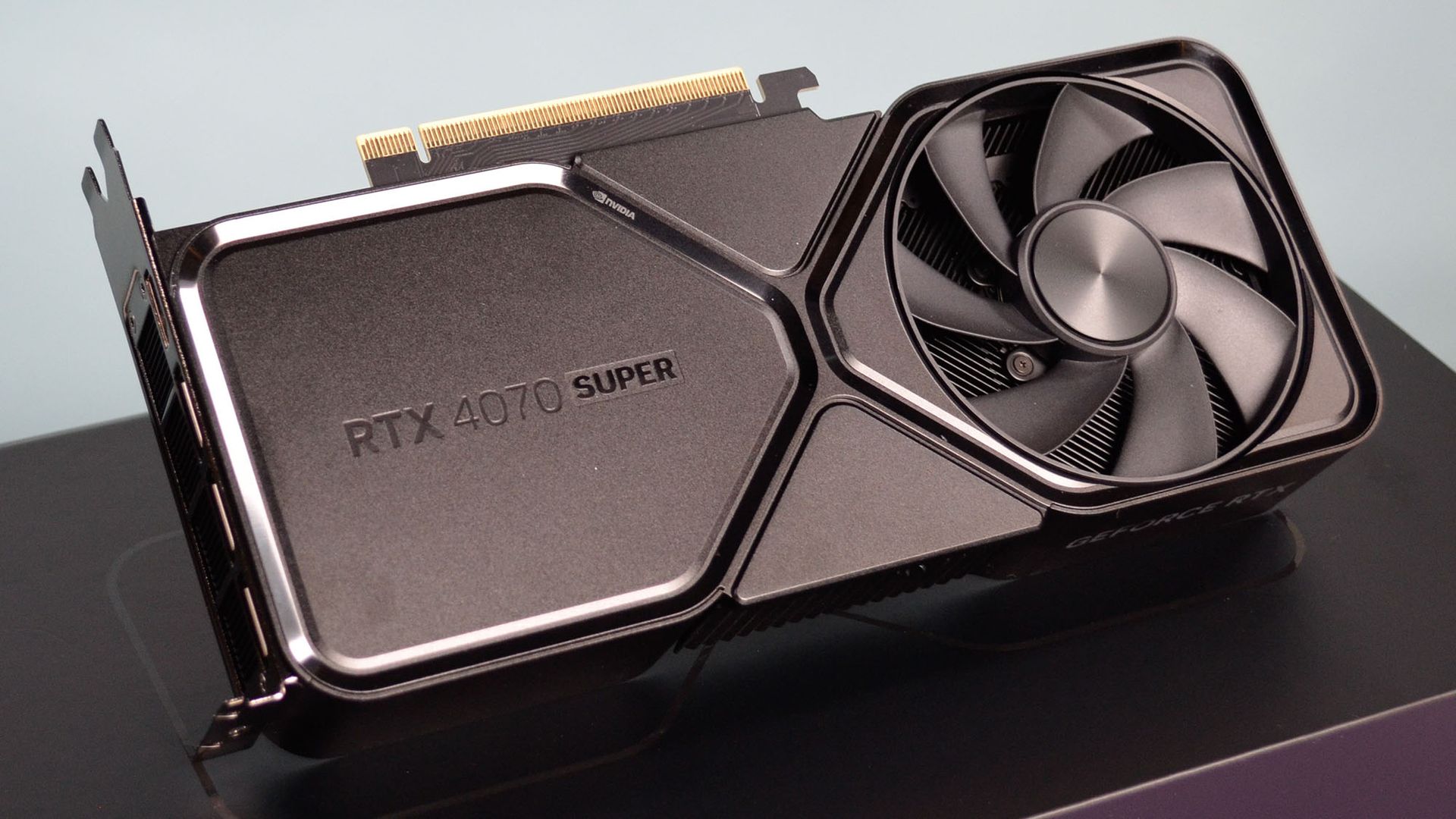
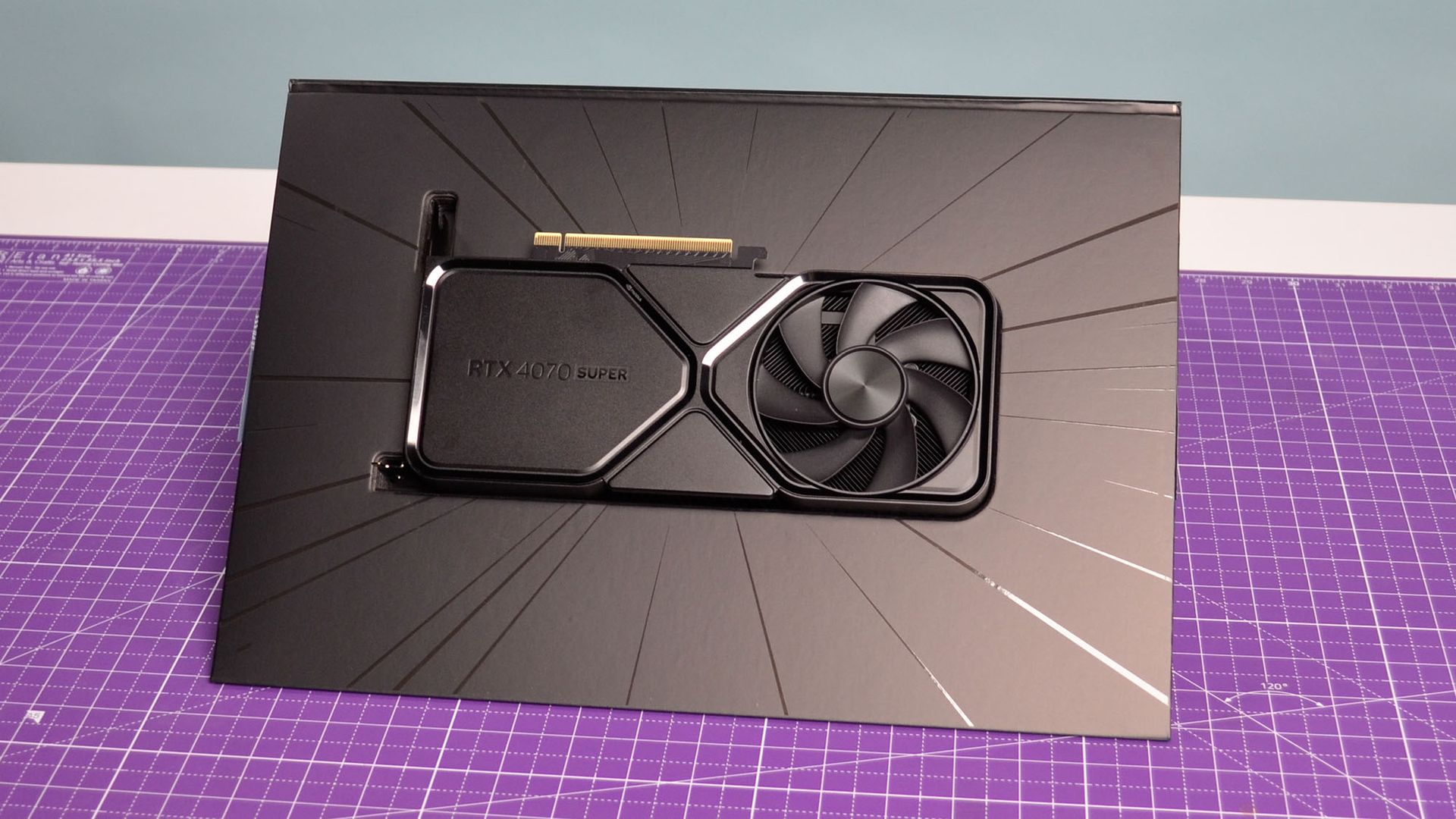
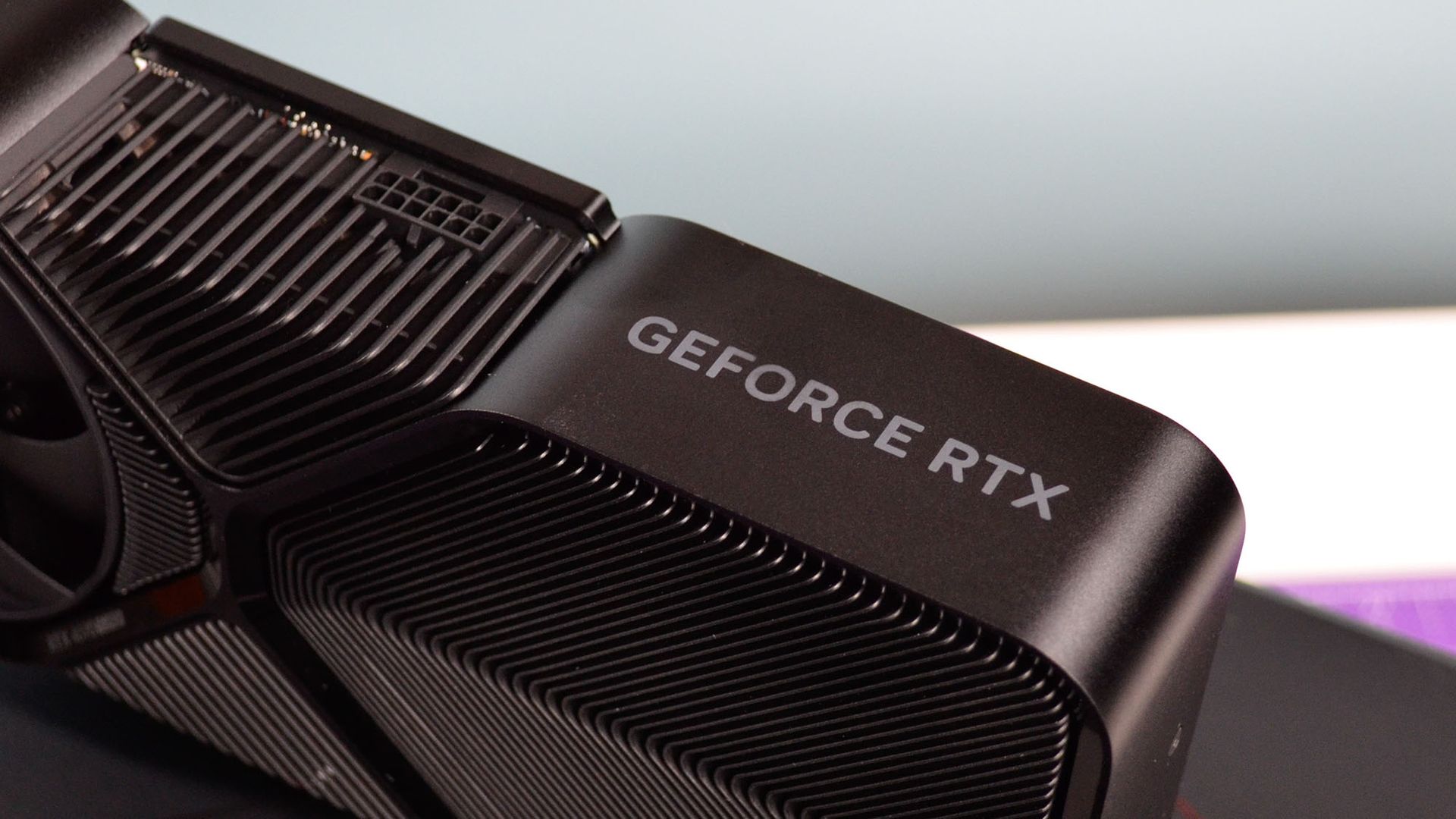
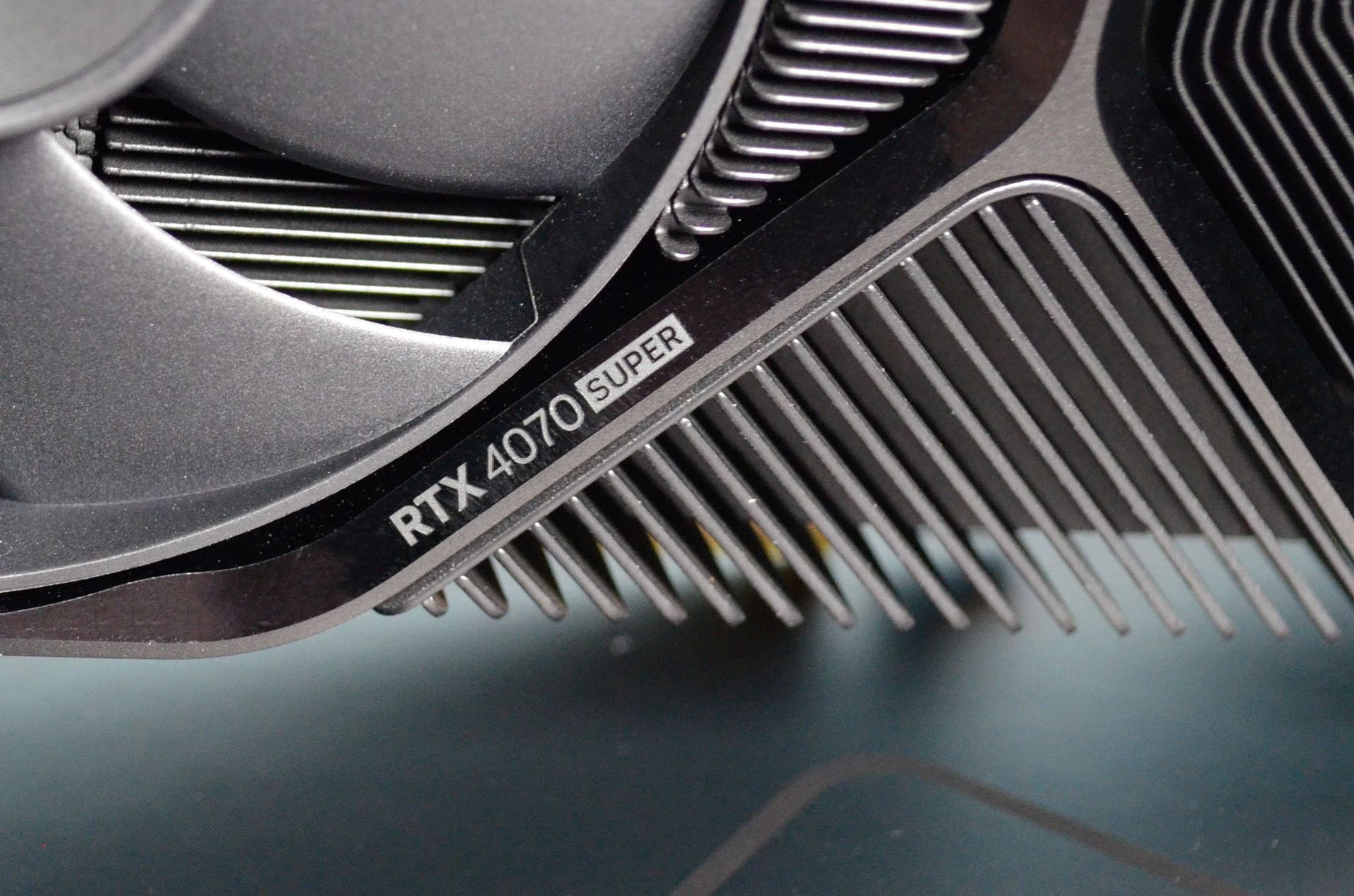
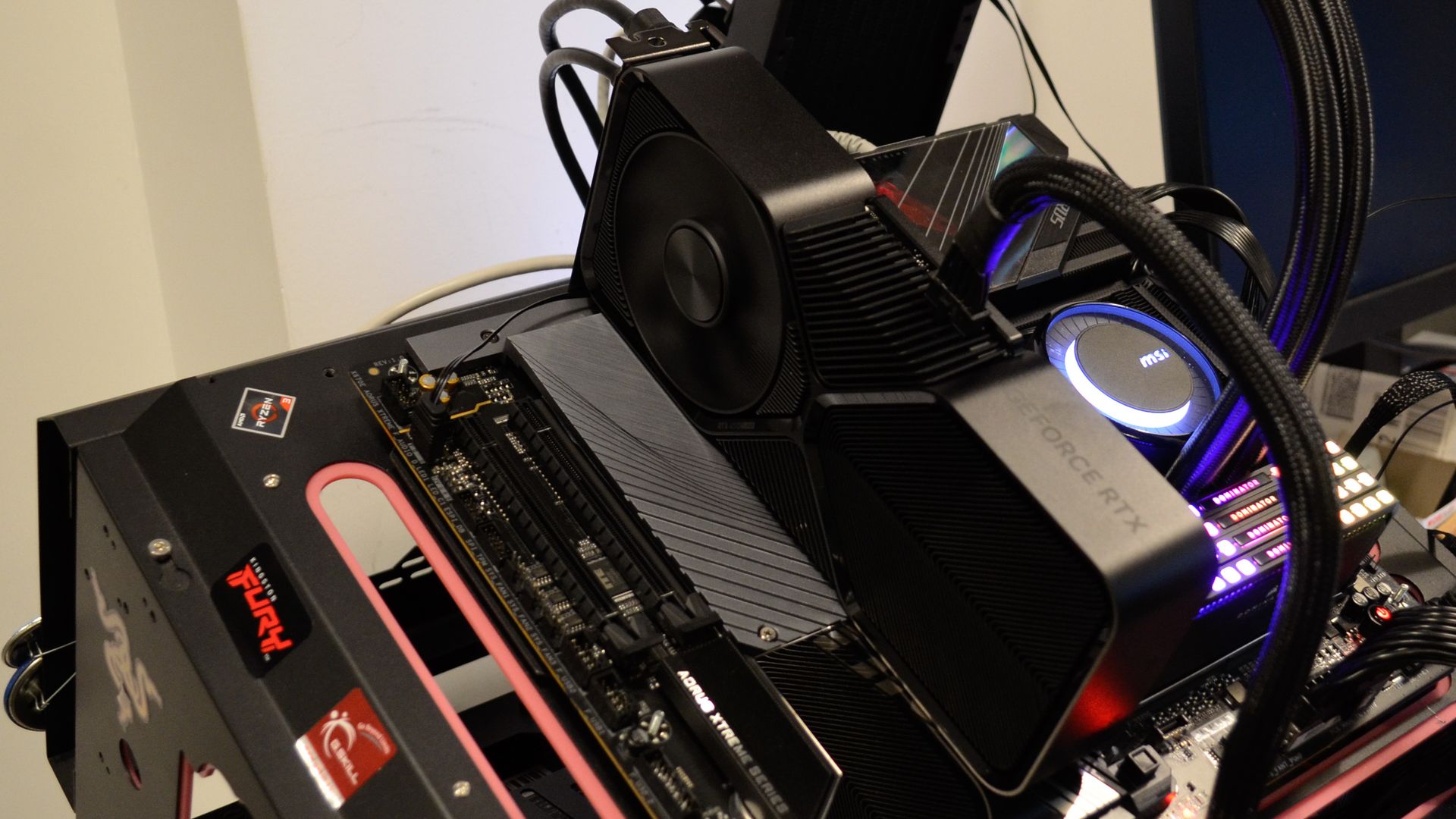
✅You want fantastic midrange performance: Given the strength of this card in all categories, on balance, it's one of the best graphics cards you're going to find in the midrange.
✅You want very strong ray tracing performance: With the maturity of its ray tracing cores, the RTX 4070 Super is the best ray tracing GPU in the midrange, for sure.
✅You want some creative performance as well: With its strong CUDA backbone, the RTX 4070 Super is a great option for those looking to get into creative content work.
❌ You don't want to spend a fortune: Given the price of the competition, there are better graphics cards for your money than the RTX 4070 Super
❌ You don't care about ray tracing or compute performance: The strongest assets this card brings to the table are its ray tracing and tensor cores, but if you don't care about ray tracing or machine learning tasks, the RX 7900 GRE will offer a better overall gaming performance.
The Nvidia GeForce RTX 4070 Super meets the high expectations I had for this card, offering compelling performance at the same price as its predecessor.
The Super outshines the base RTX 4070, offering more SMs for enhanced processing and a swifter base clock speed. However, its 12GB GDDR6X VRAM limits its 4K prowess, so for optimal 4K performance, the Nvidia RTX 5070 Ti and RTX 5080 are a better bet.
For top-tier 1440p gaming, though, the RTX 4070 Super excels thanks to its robust specs, DLSS 3 with Frame Generation, and Nvidia Reflex technology.
And while the RTX 4070 Super generally outperforms the RX 7800 XT, particularly in ray tracing, AMD holds the edge in 1440p gaming performance with the RX 9070.
Despite stiff competition, the Nvidia GeForce RTX 4070 Super still stands out as the best 1440p graphics card overall for those who want the most utility out of a midrange GPU, especially for anyone seeking a balance of gaming prowess, content creation capabilities, and sheer performance.
Read the full Nvidia GeForce RTX 4070 Super review
Also consider
Nvidia GeForce RTX 5070
The RTX 4070 Super's successor, the Nvidia RTX 5070, isn't any more powerful than the RTX 4070 Super, but it has a slightly cheaper MSRP and features advanced features like DLSS 4 Multi Frame Generation, so if you can find it for the same price or cheaper than the RTX 4070 Super, it's a good pick.
Read our in-depth Nvidia RTX 5070 vs RTX 4070 Super analysis
AMD Radeon RX 7900 GRE
The RX 7900 GRE is the perfect alternative to the RTX 4070 Super if all you care about is gaming, though it's not as good of an option if you need to do any creative or ML work.
Read our in-depth RX 7900 GRE vs RTX 4070 Super analysis
The best 1080p graphics card
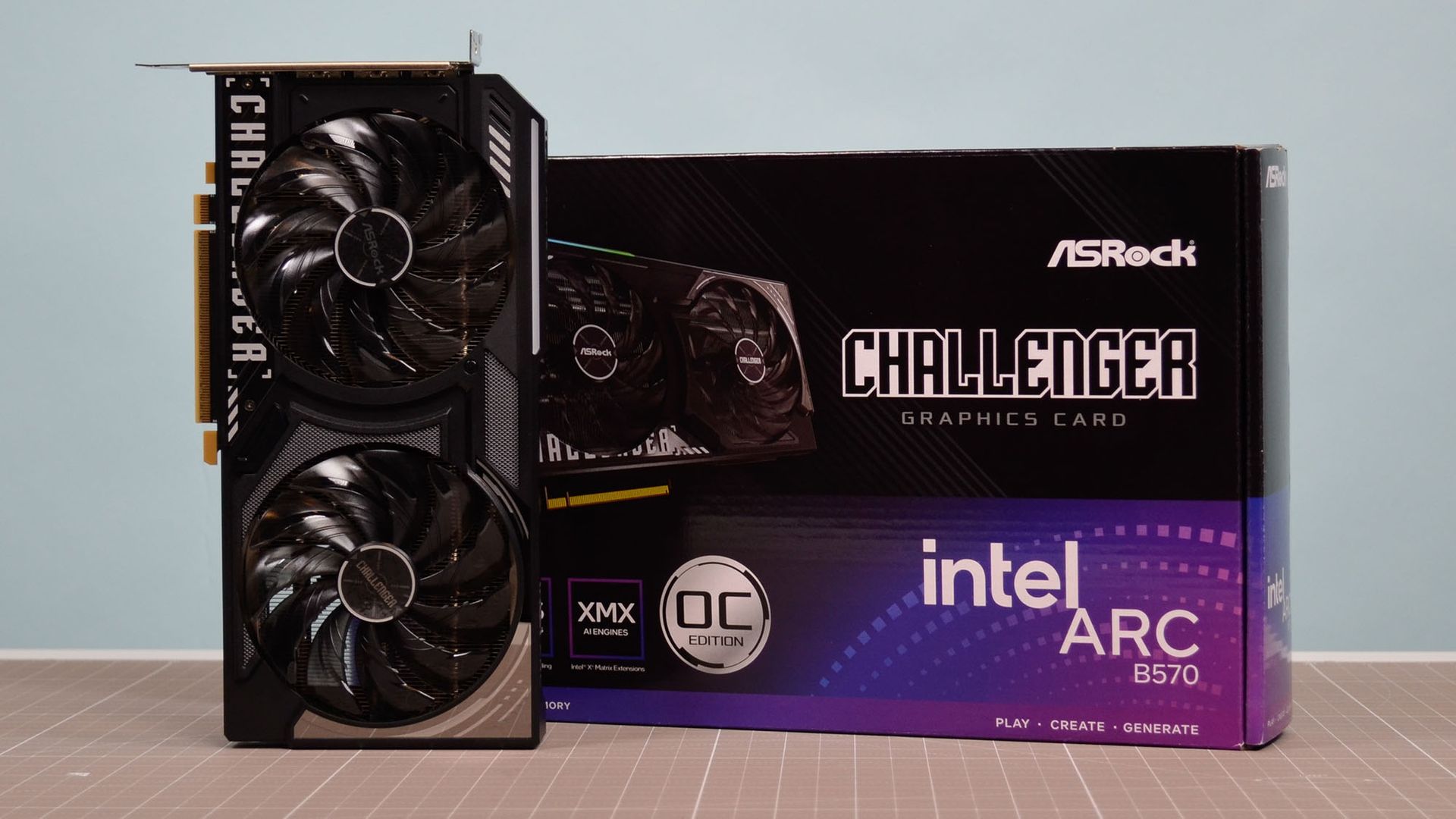
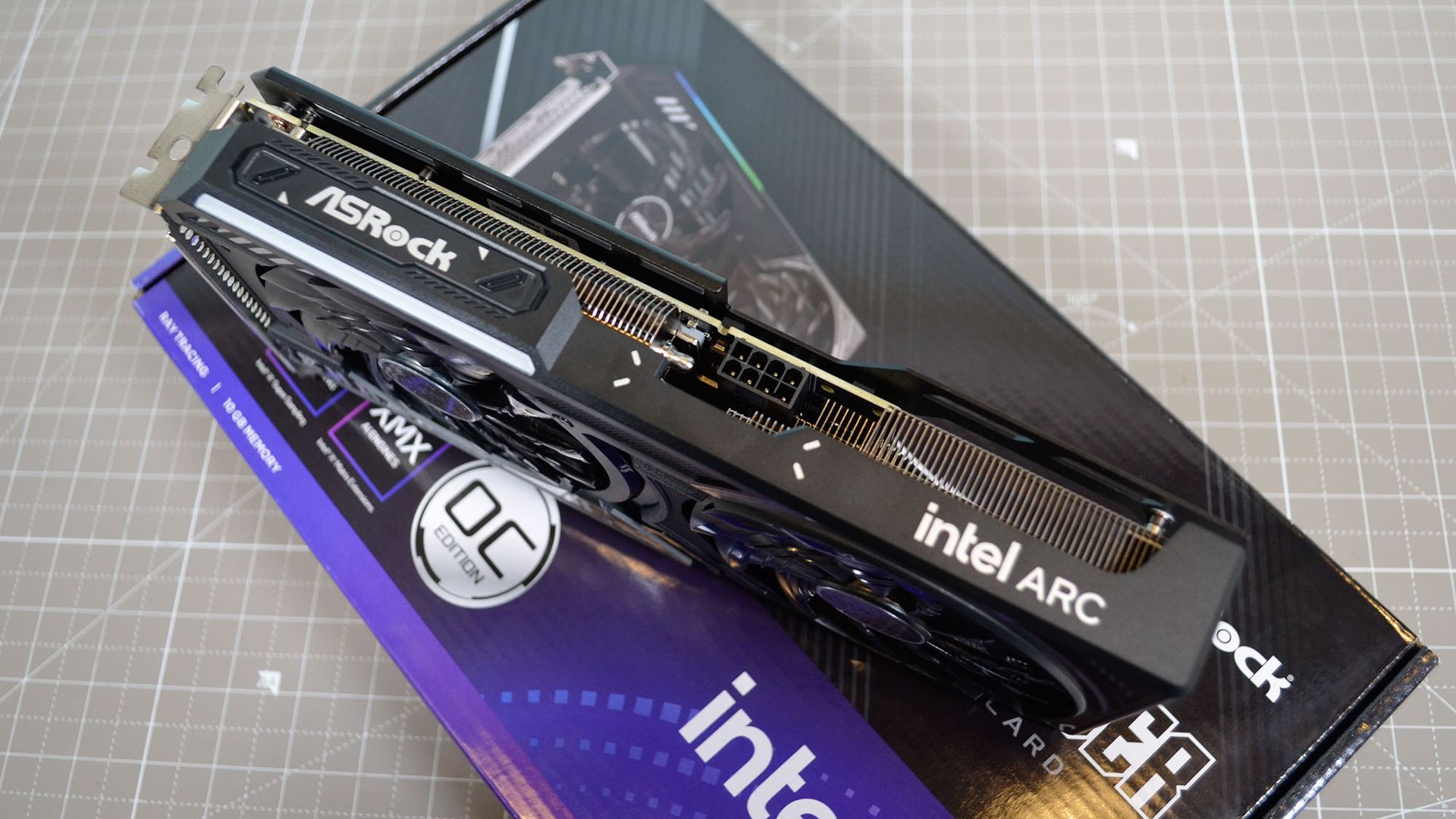
✅ You want bargain-priced 1080p gaming: This graphics card can't do a lot of things, but one thing it's great at is playing 1080p games for a fraction of the price of its nearest competitors.
✅You want good ray tracing performance for cheap: The main draw of this GPU is how dirt cheap it is relative to the market, and for that, the ray tracing on this card is better than it has any right to be at this price (though it's still not great, necessarily).
❌ You want to game at 1440p: Given the limited amount of VRAM, this GPU isn't really capable of 1440p gaming without some major compromises on visual quality.
❌ You want a budget creative card: If you're just putting your toes into the waters of creative work, whether it be 3D modeling, video editing, or the like, you should probably look at the RTX 4060 instead. This card won't give you what you need.
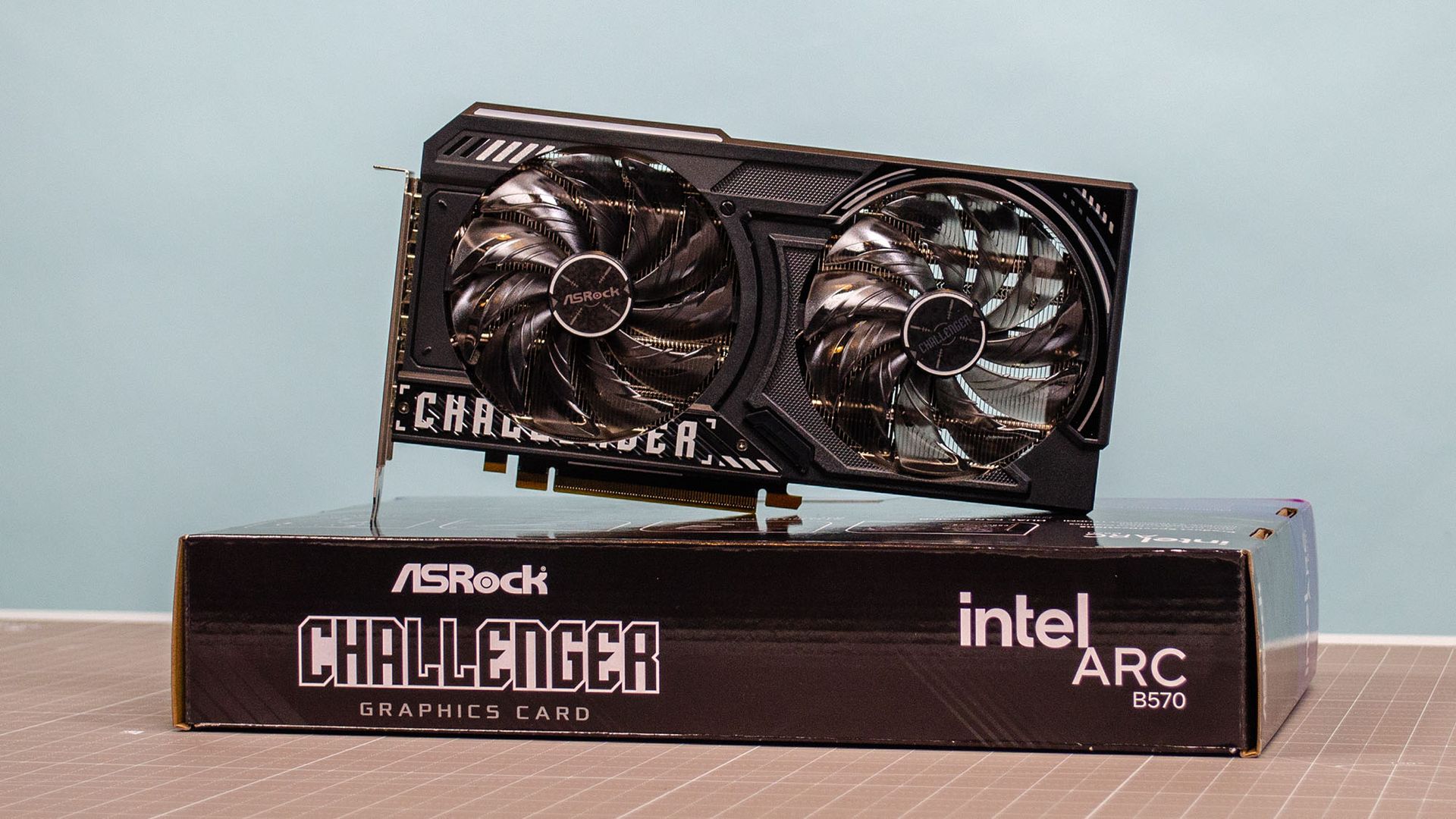
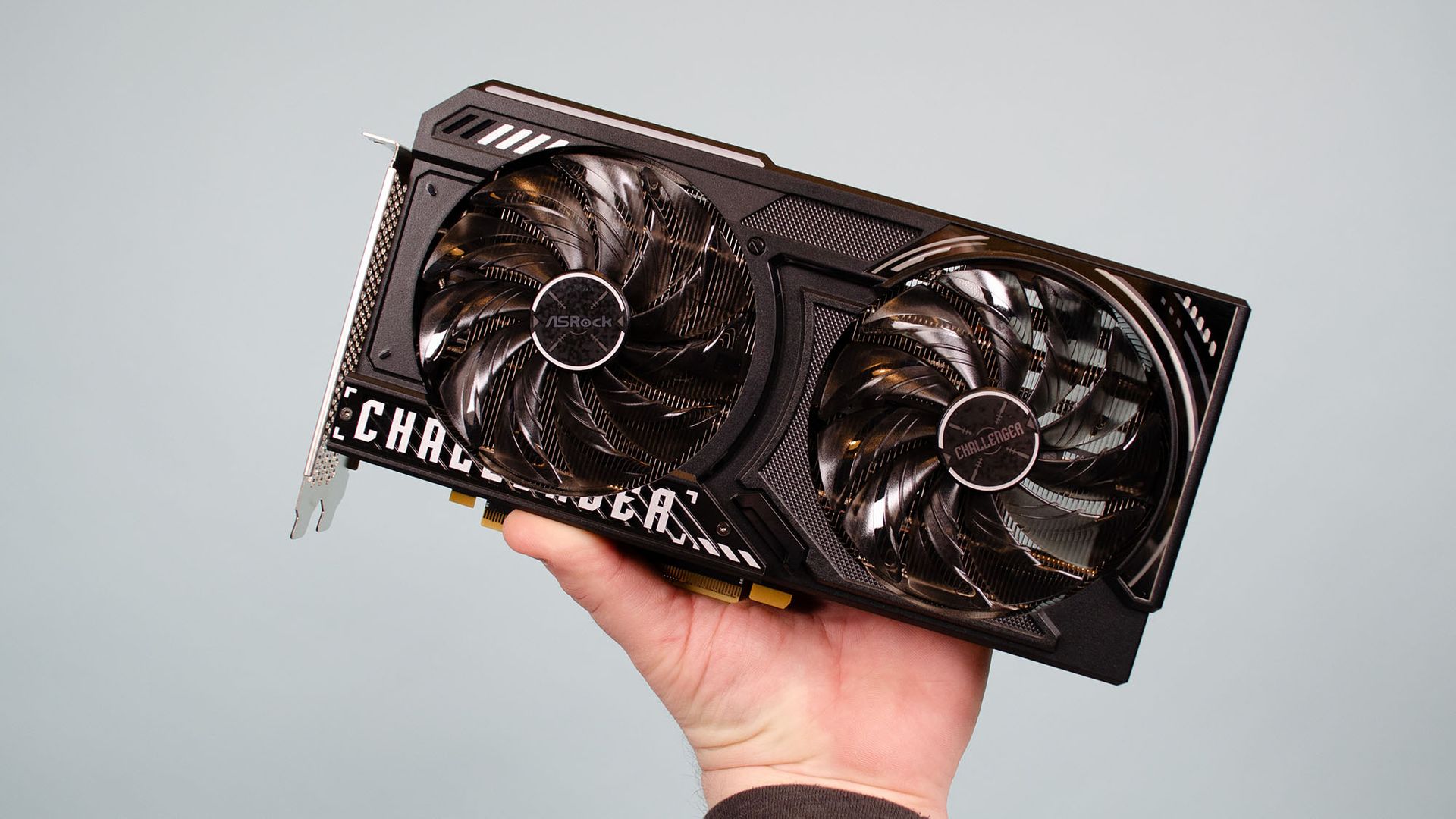
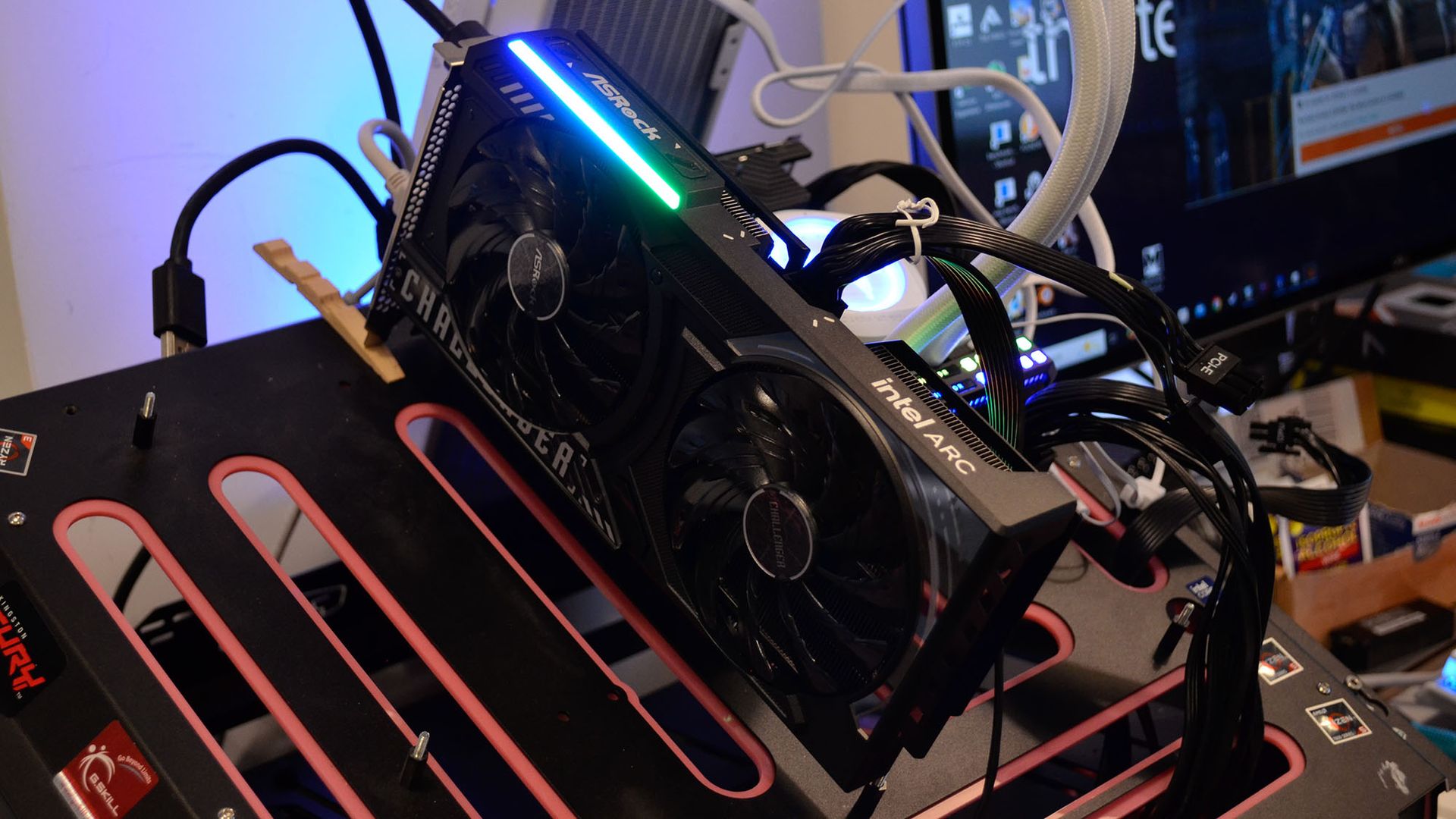
The Intel Arc B570 might not get as much attention as the Intel Arc B580, but if all you're looking for is dirt-cheap 1080p gameplay with some nice extras like ray tracing and hardware upscaling, you can't go wrong with the Arc B570.
For significantly less than competing 1080p cards like the AMD RX 7600 and Nvidia RTX 4060, you can get nearly the same level of performance while gaming at 1080p, and with hardware upscaling through Intel XeSS with Frame Generation, you can get frame rates we've simply never seen at this price point.
Of course, it does come with some limitations. Its 10GB GDDR6 VRAM is great, but not quite enough to really handle 1440p gaming without some major compromises. Its creative performance is also pretty much non-existent beyond being able to encode AV1 video, which you might find useful if you're a streamer and you want a cheap setup to offload some video processing into.
Otherwise, this is strictly a cheap 1080p gaming graphics card, and for what it is, it's about as good as you're going to find anywhere on the market right now.
Read the full Intel Arc B570 review
Also Consider
Intel Arc B580
While not quite a 1080p graphics card thanks to its 12GB VRAM, this card is priced very close at MSRP to the B570, making it a better 'stretch' alternative if you have the money.
Read our in-depth Source:https://www.techradar.com/computing/gpu/best-graphics-cards
Related posts

Splitting USB-C: USB 3 and USB 2 on One Port

The KL Divergence Is Never Negative, Except in PyTorch

Ex-Nvidia partner Megaspeed hit with U.S. Commerce Department export ban

How to Make a Lovable City

Unattended upgrades on Ubuntu and Debian: prove they’re working
