AI & ML
World-Model Gradient Refinement in CEM: An Empirical Study
arXiv cs.RO0 views
arXiv:2610.00921v2 Announce Type: replace-cross Abstract: The cross-entropy method (CEM) uses world-model predictions both to select action sequences and to determine where to sample next. We isolate the effect of an early update by replacing only the first model-ranked elite set with environment-ranked elites. This fixed-state intervention lowers the selected sequence's realised tracking cost in all 12 Walker/Cheetah task-seed units. We then study short gradient updates to top-ranked candidates as a way to improve search under the model's own objective. Across 52 frozen TD-MPC2 checkpoints from 32 tasks, we compare refinement with additional CEM sampling at the same planning budget, tuning both planners' initial proposal widths. We fix the groups before this comparison using an exploratory model-only diagnostic. Refinement gains 67.8 return points on average (95\% CI [31.9, 103.6]) on ten checkpoints with large model-predicted improvements, and 0.2 ([$-2.9$, 3.4]) on the remaining 42. The diagnostic's rank test on 24 new checkpoints fails, so the association does not establish a predictive rule. Offline analyses show local benefits on some tasks and positive estimates for both proposal refitting and final selection. End-of-search polishing also helps, leaving the need for repeated refitting unresolved.
Source:https://arxiv.org/abs/2610.00921PreviousActionUNet: Improving Robustness of VLA Models with Efficient Multi-scale Fine-tuningNextHAVANA: A Hierarchical Video-Action Model for Vision-Language Navigation
Related posts

Five of my most-read catalog pages 404 because of a hyphen I never chose
0dev.to Database
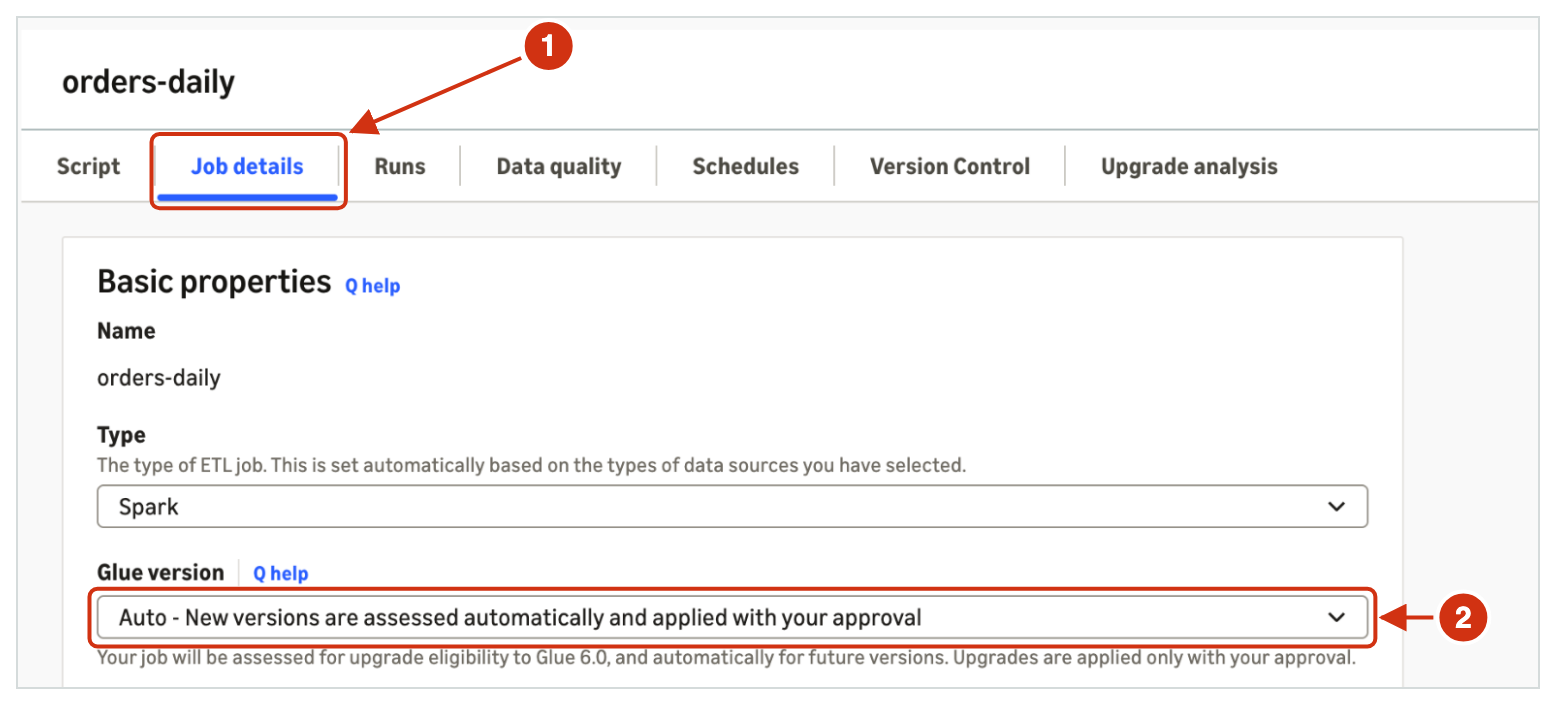
Introducing automatic version upgrades for AWS Glue jobs
0AWS Big Data Blog
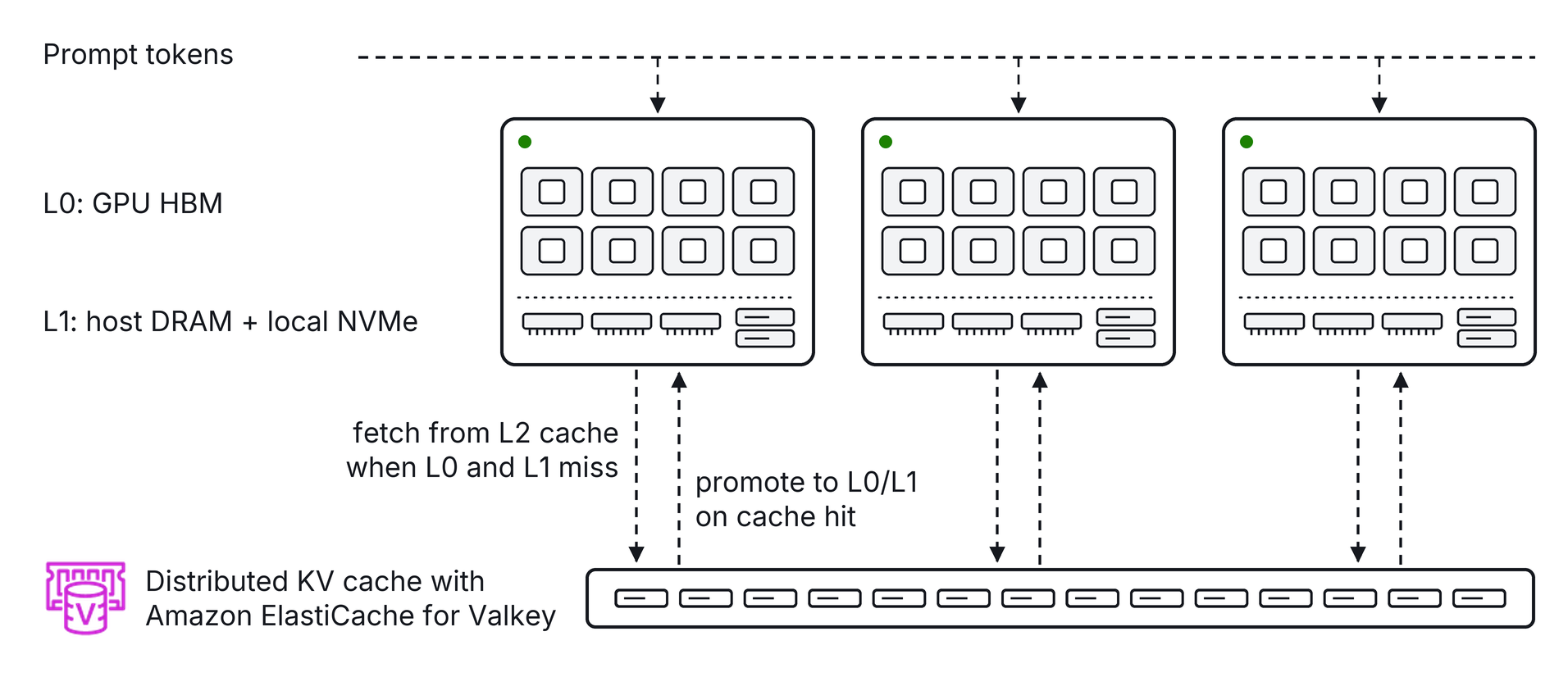
Announcing distributed KV caching for self-hosted LLMs with Amazon ElastiCache
0AWS Database Blog

Exa boosts embedding throughput by 50% to index billions of documents on AWS AI chips
0AWS Machine Learning Blog

BEVCast: Path-Adaptive BEV for Efficient End-to-End Autonomous Driving
0arXiv cs.RO

PRIME: Perception Feedback with Situational Memory Embeddings in VLA Models
0arXiv cs.RO