Let's learn about Heroku via these 161 free blog posts. They are ordered by HackerNoon reader engagement data. Visit the Learn Repo or LearnRepo.com to find the most read blog posts about any technology.
Heroku is a cloud Platform as a Service (PaaS) that enables developers to build, run, and operate applications entirely in the cloud. It simplifies app deployment and scaling, allowing teams to focus on coding rather than infrastructure management.
1. Scale Your Microservices with an Easy Message Queue on Redis
 If you’re a microservices developer considering communication protocols, choosing an event-driven architecture might just help you rest a little easier at night. With the right design, event-driven architecture can help you to create apps that are decoupled and asynchronous, giving you the major benefits of your app being both performant and easily scalable.
2. 4 Notion + Zapier Integrations You Can Implement Today
 Notion, the hottest productivity app of the moment, has been promising an API for quite a while. As of today, the official API is nowhere in sight.
3. Fear database changes? Get them under control with CI/CD
 Developers often fear database changes because a mistake by anyone on your team can lead to a major outage and even data loss. The stakes are higher when changes are not backwards compatible, cannot be rolled back, or impact system performance. This can cause a lack of confidence and slow your team velocity. As a result, database changes are a common failure point in agile and DevOps.
4. How to Dockerize And Deploy Django Applications
 In this tutorial, you learned how to dockerize and deploy Django applications using Docker, Django, and Heroku.
5. How I Converted My Manual Hand Crank Desk Into An IoT Desk (Part 1)
 In this article, I will show you how I converted my manual hand crank desk into an automated IoT connected desk. I’ll be talking about how to size and pick motors, and how to connect your custom IoT devices to Google using Heroku as a public interface.
6. Prevent Your Free Heroku Dyno from Sleeping
 If you are like me, then many of your hobby projects and portfolio examples are deployed to Heroku. Like Github Pages, it is an attractive option to host your project because it is free. Unlike Github Pages, you can host a server on Heroku, so I use it whenever I need a free place to deploy a full-stack application.
7. 5 Web Dev Tools To Improve Your Productivity

8. 'Hello, World!' in Golang - How to Develop a Simple Web App in Go
 I'm going to show you how easy it is to develop a simple web application in Go, package it as a lightweight Docker image, and deploy it to Heroku.
9. How Stream Processing Makes Your Event-Driven Architecture Better
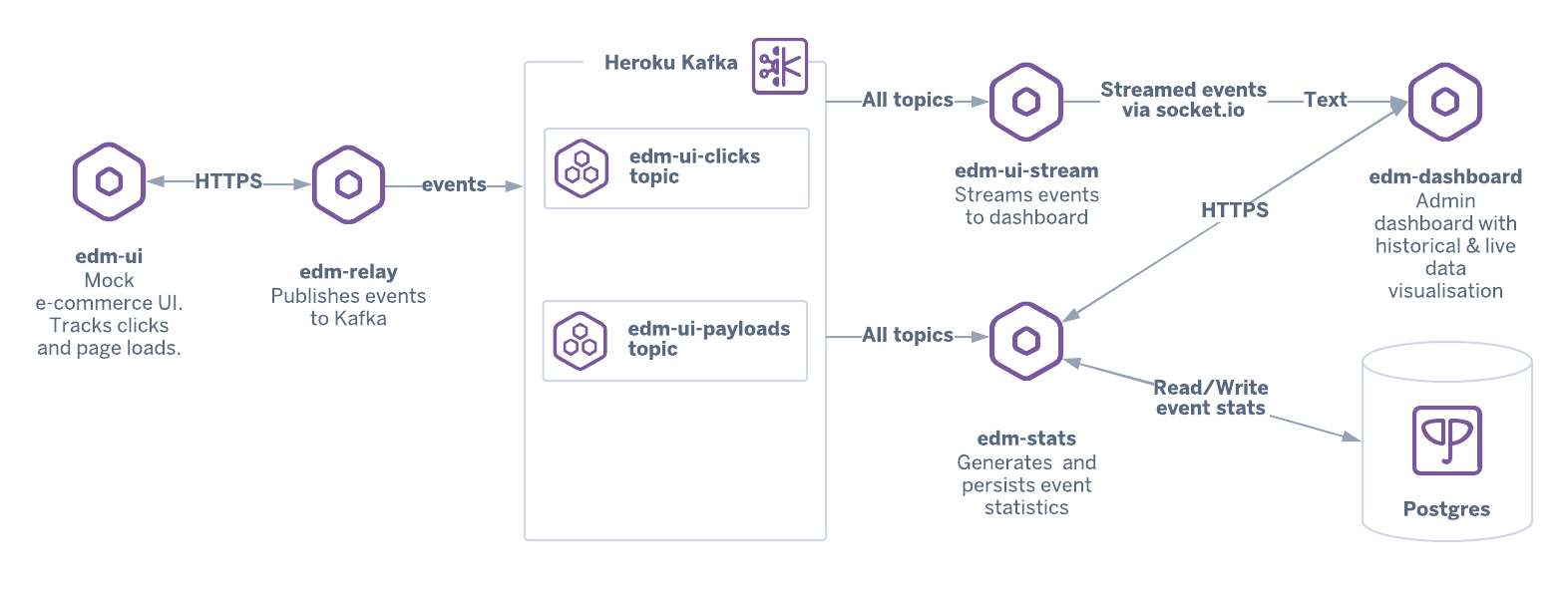 If you’re an architect or developer looking at event-driven architectures, stream processing might be just what you need to make your app faster, more scalable, and more decoupled.
10. Build a WhatsApp Chatbot With Python, Flask, and Messagebird
 Tutorial, about building a chatbot using the Messagebird API for WhatsApp and the Flask framework for Python.
11. Let's Build a Telegram Bot in Rust. Part 1
 Building telegram bot using Rust.
12. Things You Must Know About git-crypt To Successfully Protect Your Secret Data
 Many software projects use secrets - usually, keys to external APIs or credentials to access an external resource such as a database. Your application needs these keys at runtime, so you need to be able to provide them when you deploy your application, or as a step in preparing your deployment environment.
13. Creating a Forum CMS with React.js and Ruby on Rails
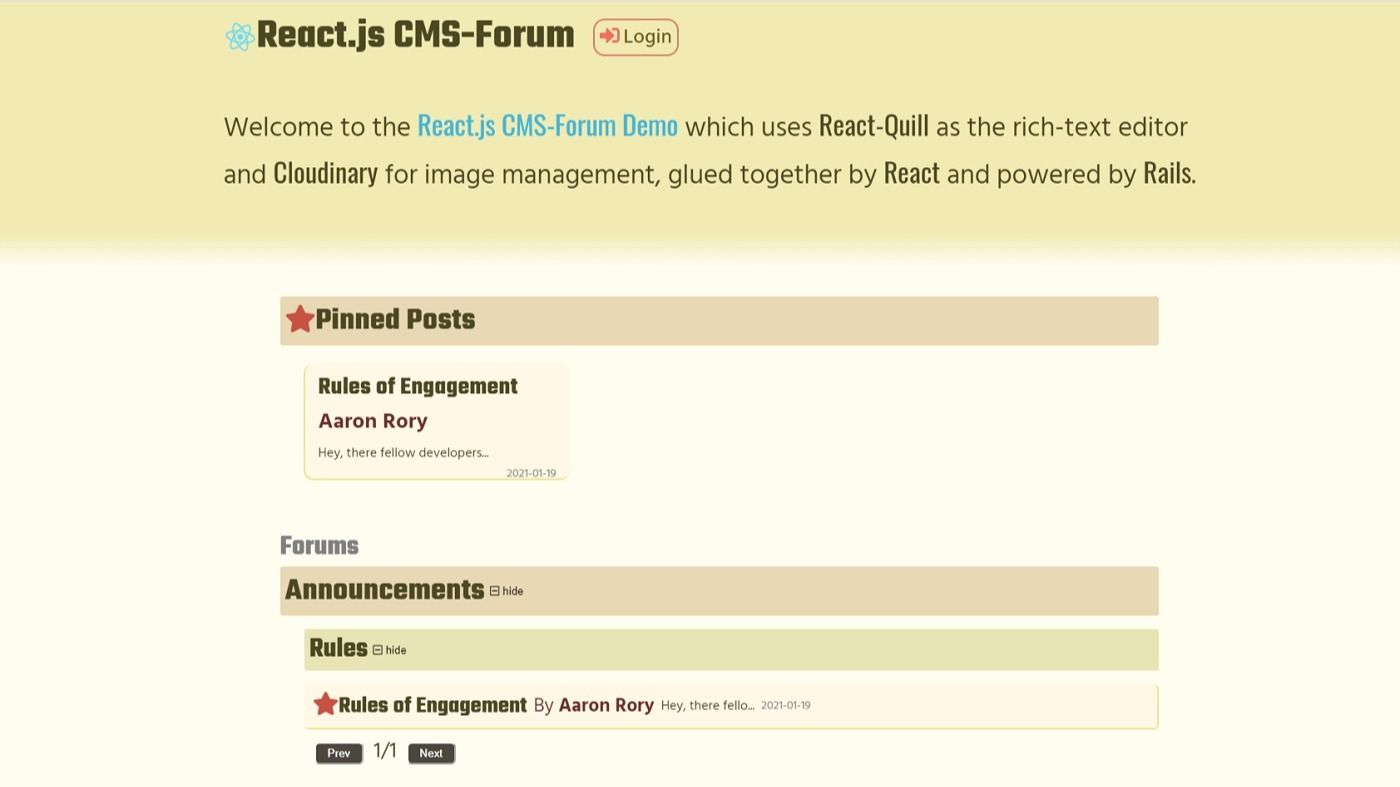 In this project, we will be using React.js, Ruby on Rails, React-Quill, and Cloudinary to build a forum whose content is manageable by the site's users.
14. Best Advice To Build A Python-based App With Salesforce Platform Like An Expert
 If you're comfortable with working with traditional development platforms such as Heroku, but now you need to integrate into Salesforce data, there are many unexpected differences that you might discover.
15. Building an App That Uses All 7 New JavaScript ES2020 Features
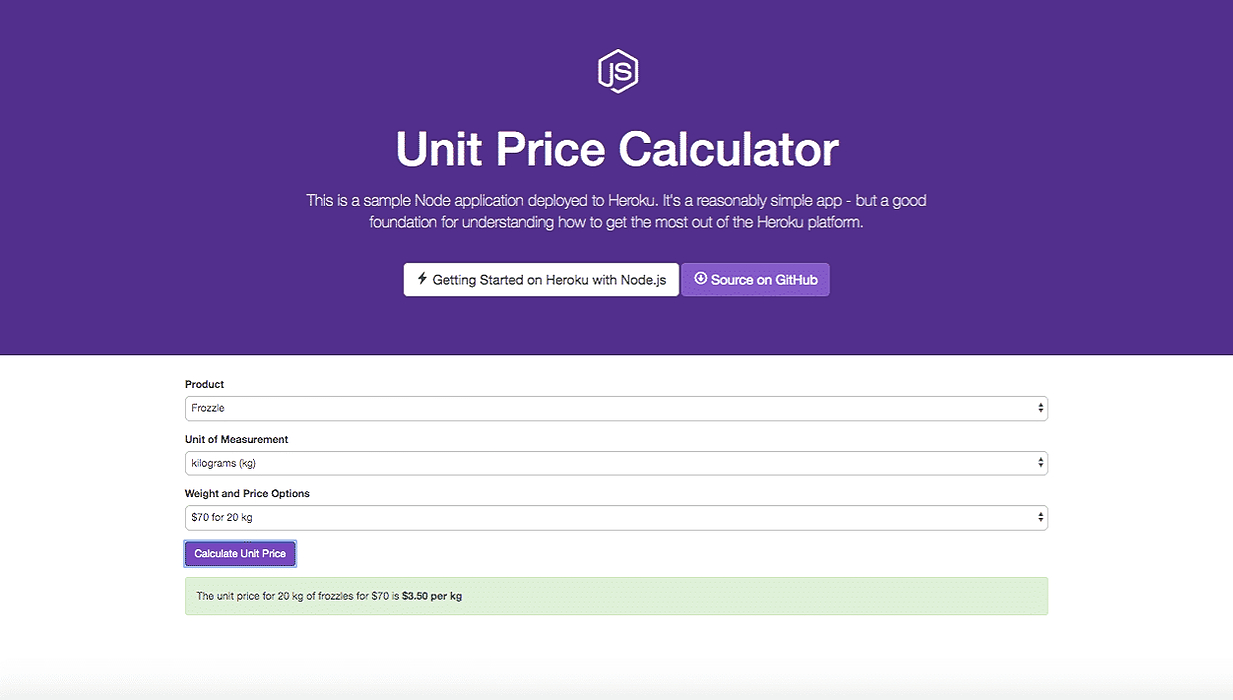 The world of web development moves fast, especially in the JavaScript ecosystem. New features, frameworks, and libraries are constantly emerging, and the minute you stop learning is the minute your skill set starts to become obsolete.
16. Deploy a React App to Heroku with Bitbucket pipelines
 Hello world!
17. Staging Environments are Too Important to be Overlooked: Here's Why
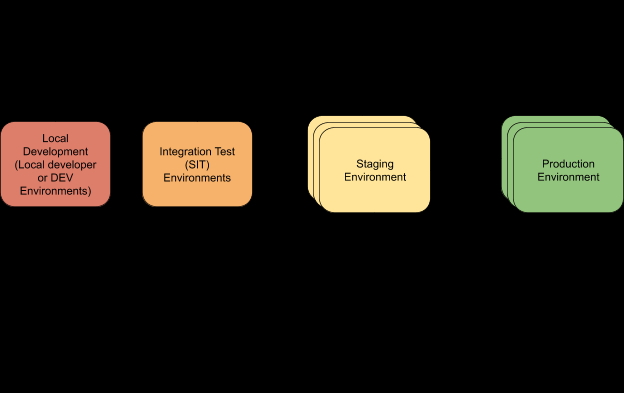 Many development teams skip having a staging environment for their applications. They often submit a PR, potentially run tests in a CI system, merge to master, and then deploy to production. This is a risky pipeline because there is no true integration environment or integration testing being performed. What’s worse is that if there is an issue they may engage in “cowboy coding” to try to resolve the issue on their live production environment.
18. How to Deploy a React App to Heroku in 5 Minutes in 5 Easy Steps
 Deployment of a React app on Heroku is a way of hosting an application on a server, and the server provides everything to keep the app live on the internet
19. Buh-Bye Webpack and Node.js, Hello Rails and Import Maps
 Discover how Rails 7 and Import Maps allow the use of third-party JavaScript libraries, taking away the need for Webpack and Node.js.
20. How To Deploy Angular App On Heroku
 Hi All, Today we will talk about that how we can change our Angular app environment at run time when deploying the code on Heroku Server.
21. 5 Best Practices for Designing RESTful APIs

22. How to Build an LLM Application With Google Gemini
 Learn to build an LLM application using the Google Gemini API and deploy it to Heroku. This guide walks you through setup, code, and deployment step-by-step.
23. IoT Projects: Build a Robust IoT Prototype In Less Than a Day (Part 1)
 The IoT world is powerful, but also quite complex. There are many protocols and vendors and the landscape is fragmented. [As Matt Turck has already shown in 2018.]
24. Database Connection Pooling With pgbouncer
 Introduction: The Postgres Connection Pool Problem
25. When It’s Time to Give REST a Rest
 Based upon the underlying requirement, sometimes GraphQL with Apollo Server is the best approach over using a traditional RESTful API.
26. Building a Simple CLI with oclif
 Instead of using shell scripting languages, software developers looking to build their own CLI tools can use the oclif framework to build with Node.js.
27. FastAPI Got Me an OpenAPI Spec Really... Fast
 When API First isn’t an option, FastAPI can save teams time by allowing existing RESTful microservices to be fully documented and consumed using OpenAPI .
28. Using OAuth Authentication to Serve Static Internal Documentation
 Let's walk through how to deploy Docusaurus behind an OAuth proxy which will force users to log in with a 3rd party provider before viewing our documentation.
29. Migrating A Rails App To Digital Ocean The Easy Way
 Heroku is one of the top PaaS in the market thanks to many of its features that make focus on development instead of configuration and maintenance. This has bee
30. Five Architectures You Can Quickly Prototype on PaaS

31. Streamlining LLM Application Development and Deployment with LangChain, Heroku, and Python
 In this tutorial, learn how to build and deploy LLM-based applications with ease using LangChain, Python, and Heroku for streamlined development and deployment.
32. I Wish I Never Learned to Code
 I write code for a living. You might say I’m a professional software engineer, but really software engineering is much more than just a profession — it’s a lifestyle. The hoodies, the ping pong, the endless snacks and soda… it’s all true. And yet, as rewarding as this field can be, I have a confession to make:
33. How to Build an App that Supports Wildcard and Custom Domains with SSL on Heroku
 Learn how you can set up an app that supports wildcard and custom domains with SSL on Heroku
34. Coding with Serenade: Hands-Free Voice-Activated Programming
 Serenade is a voice-to-code software that's available to plug into several popular IDEs, like VS Code and IntelliJ.
35. Observability on Heroku: How to Monitor Apps on a Managed Infrastructure
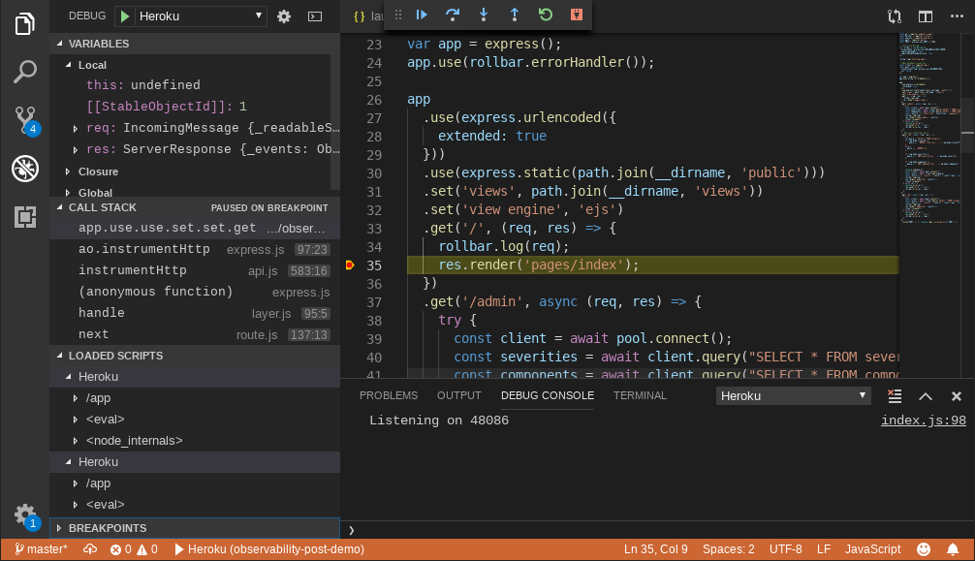 Cloud platforms like Heroku make it easier than ever to host applications: just upload your code, and they’ll deploy it for you. But a common misconception is that, because you don’t own the infrastructure, you can’t really monitor your applications or see under the hood.
36. Build a Free Personal Heroku with Oracle Cloud and Dokku
 Installing Dokku on an Oracle Cloud VM as a free Heroku alternative.
37. Playwright and Chrome Browser Testing in Heroku: A Beginner's Guide
 This blog will show you how to run automated end-to-end Playwright tests for your React app with Headless Chrome on Heroku.
38. Managing Django Media & Static Files on Heroku with Bucketeer
 Prepare your Heroku-deployed Django application to be closer to production-ready by implementing public & private storage backends for media & static files.
39. How to Deploy a Ruby on Rails App on Heroku
 The most satisfying thing beyond building something is to make it available to the world. Heroku is great for beginners because it’s a free and “simple” push-to-deploy system.
40. 3 Easy Steps to Change Main Git Branch on Heroku
 I just saw that Heroku created the ability to git push heroku from main instead of master. Since I've been wanting to change my Git repos away from master anyway, I thought I'd check it out myself. Luckily, it was extremely simple.
41. How to Build a Concurrent Chat App with Go and Websockets
 Go emerged from Google out of a need to build highly performant applications using an easy-to-understand syntax. It's a statically typed, compiled language developed by some of the innovators of C, without the programming burden of manual memory management. Primarily, it was designed to take advantage of modern multicore CPUs and networked machines.
42. Time For Me To Fly… To Render
 Heroku has eliminated their free plans, so I’m migrating to Render for my prototype products and services. Let’s see how easy it is to convert to Render PaaS.
43. How a recommendation system Web App was Built
 How to create, build and deploy every component behind a Bike recommendation system
44. Creating a Webhook URL: A Guide for AWS, Heroku, and GCP
 This article will provide a brief guide on creating a webhook URL in three popular cloud platforms: AWS, Heroku, and GCP.
45. A Guide to Deploying Phaser 3 Webpack Games to Heroku
 I’ve had a hard time figuring out how to get a Phaser 3 Game deployed on Heroku. This is why I’m going to show you how to create a brand new node.js project, integrate it with Webpack and Phaser 3 game engine using Express as a Webserver, and deploy it to Heroku, so we can see it live.
46. Less Time Learning, More Time Building: A Quest for Secure Microservices
 Find out how cloud adoption alternatives like Heroku offer a strategic advantage in the evolving cloud landscape.
47. How to Use Microservices on Heroku to Create a Random Board Game Generator
 Why Microservices
48. Try these 3 Alternatives to Heroku
 In this article, I will be sharing 3 awesome Heroku alternatives that are relatively new to the PaaS space.
49. 5 Most Effective Productivity Tools If You’re In Tech Or Software Engineering
 Everyone wants to be more productive without burning out. So, how do you get more done without working more hours? And how do you help the rest of your team improve without taking on the role of taskmaster? The answer: use effective tools.
50. How to Build Progressive Web Apps with Lightning Web Components
 Earlier this year, a post came out on the Salesforce Developers Blog, entitled “How to Build Progressive Web Apps with Offline Support using Lightning Web Components.” During the post's discussion about using Lightning Web Components (LWC) to build progressive web apps, it mentioned push notifications. My interest was piqued. How simple would it be to use LWC to build an app for push notifications? It turns out — really simple.
51. 4 Career Advancing Reminders for Junior Devs
 Ask questions, ask for help, always be learning, and participate in code reviews. Often.
52. How to Build a Blog with Strapi, Netlify, and React 👨💻
 How to Build a Blog with Strapi, Netlify, and React 👨💻
53. How to Scale Like a Boss with Heroku Dynos
 Now that you are running on Heroku, John Vester helps explore options for scaling your applications or services to meet end-user demands.
54. The Internet of Dogs: How to Build a $50 IoT Dog Collar That Locates Your Pet
 I love side projects. They give me the opportunity to flex my creative muscles and tinker with tech like the Internet of Things (IoT) in new ways. Fortunately, I didn't have to look far for my next one; a common conundrum for pet owners fueled this concept for an IoT dog collar.
55. Using pgvector To Locate Similarities In Enterprise Data
 Harness the power of word vectors and similarity searches to help discover data correlations with enterprise data to assist with a marketing campaign.
56. Comparing Container Pipelines
 Introduction
57. 6 Productivity Practices for New (and Old) Developers
 Humans are complex creatures, with a wide variety of motivations for getting work done. Our motivation as developers is not purely extrinsic, or financial—sometimes it's for the joy of delivering code.
58. What Heroku is Good For
 You've probably heard about Heroku by now, but do you really know how Heroku works and when it should be a consideration?
59. How to Migrate Your Apps From Heroku to Qoddi
 Migrating from Heroku to Qoddi App Platform is very easy and requires a small amount of time. This guide will guide you in the process on moving your app.
60. How to set up Continuous Delivery using Heroku Flow
 Continuous deployment doesn’t need to be this hard to set up.
61. How To Connect Ruby on Rails API, PostgreSQL And Heroku
 Creating a new Rails app is super easy by itself. And, creating a Rails app set up as an API is not much different.
62. The Oldest Industries Remain the Same
 5 Tech Companies That Impacted My Life this Week
63. Ultimate Guide To Building an Unbeatable Multi-Tenant SaaS Startup With Heroku [Part 1]
 In this multi-part series, I'll transform a new application into a multi-tenant experience running in the Heroku ecosystem. This article focuses on the object model, design, architecture, and security.
64. We Just Had Our First Virtual Reality Status Meeting
 Just about everyone who can is working from home now. And while we're lucky to work in an industry that already works from home regularly and easily, there are still some aspects of being in an office that are difficult to replace. One of them is the stand-up meeting.
65. Heroku Now Officially Supports .NET!
 .NET developers now have access to the officially supported buildpack for .NET, which means you can now deploy your .NET apps onto Heroku with just one command.
66. Tips For Documenting Your Code
 Some will tell you that good code is self-documenting. In other words, if you write clear code then you won’t need comments.
67. Flawless Releases with Continuous Deployment and Docker
 Docker is a container technology that enables developers to run entire applications as a unit. It offers all the benefits of virtual machines, without the high overhead:
68. Destination Heroku: Changing My Tech Stack

69. Here's How I Moved From AWS To Heroku
 In the fall of 2018, I decided it was time to put my application design and development knowledge to use in order to provide a modernized solution for my mother-in-law’s small business.
70. Tutorial: Geotagtext, a Free Geotagging Web Application
 Geotagtext is a free demo webapp that uses geolocation to make make geotagging easy. This tutorial shows how to use Heroku, Mapbox, Firebase, to make it happen.
71. Understanding the Node.js Event Loop
 JavaScript is single-threaded, so how does it handle asynchronous code without blocking the main thread while it waits for an action to complete?
72. Configuring GitLab CI/CD for Multi-Environment Deployments to Heroku
 Automatically deploy your app to the correct environment any time code is merged into your dev or main branches
73. How to install Devtron over k3s
 Installing Devtron - An opensource Heroku-like platform over k3s - lightweight kubernetes. Devtron is an end-to-end software delivery workflow for Kubernetes
74. Adding IoT To My Home Office Desk (Part 2)
 In part one I discussed the first version/Bluetooth version of my desk upgrade.
75. Set Up Your Own Heroku-like Cloud (PAAS) in 10 Minutes: A Quick Start Guide
 When building projects one of the annoying parts is setting up stuff like web servers, relational databases, and caching. Here's my solution to all that.
76. How to use Local Builds on Heroku
 I’ve seen a few tutorials, how to deploy single page web applications on Heroku, but I’ve really struggled to do it myself, because I wanted to do it a bit differently. I found a way how to deploy any SPA to Heroku using local builds.
77. Node.js Tutorial: How to Build a Simple Event-Driven Application With Kafka
 Build a real-time event-driven app with Node.js and Kafka on Heroku. Follow this step-by-step guide to set up, deploy, and manage your application efficiently.
78. How To Connect GraphQL On Top of Existing REST API
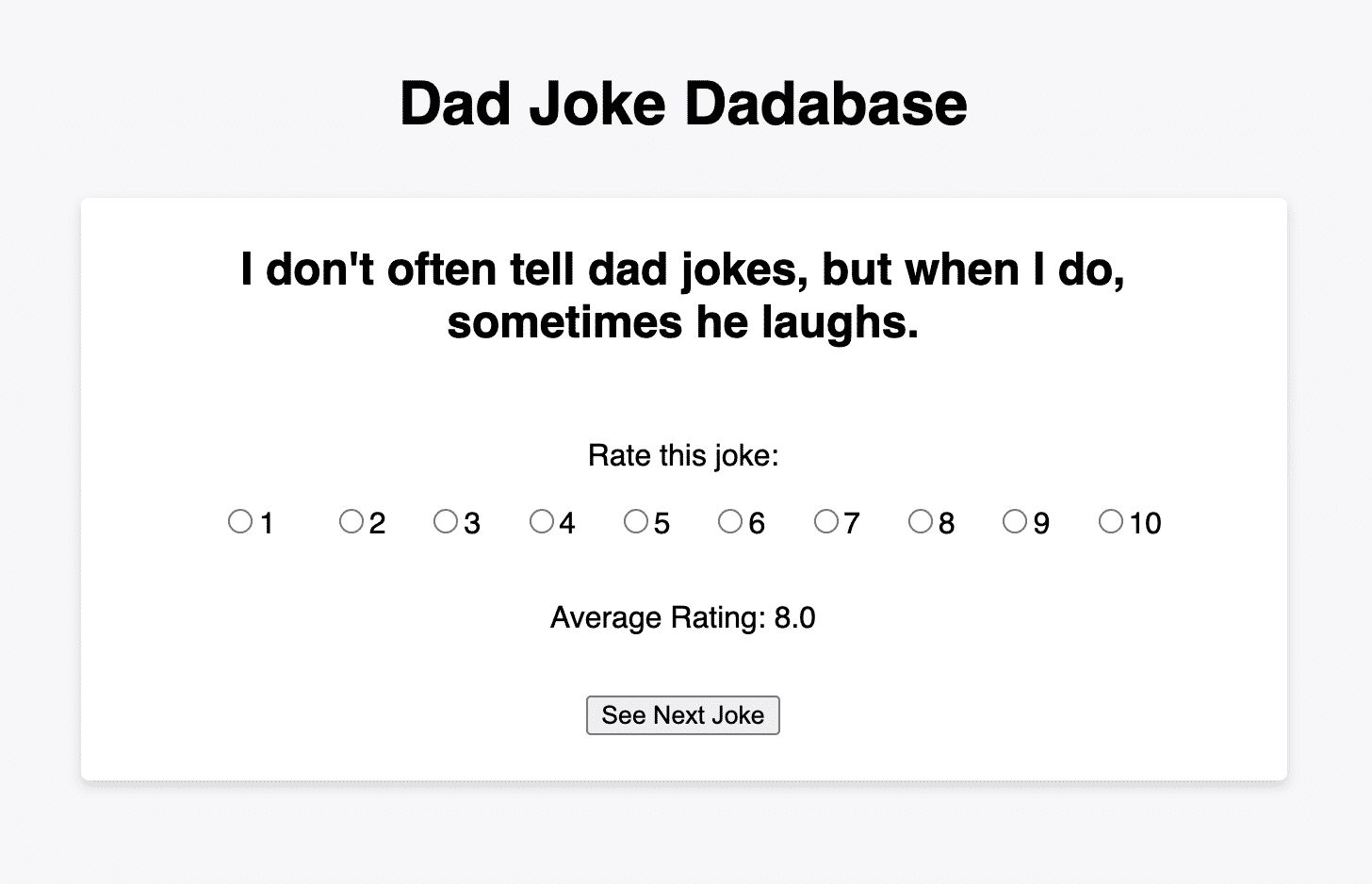 Start using GraphQL in legacy portions of your app without breaking any existing contracts with functionality that may still rely on the original REST API.
79. [Tutorial] Top 5 Ways to Query your Relational Database in JavaScript [Part 1]
 If you’re developing web applications, you’re almost certainly going to be constantly interacting with a database. And when it comes time to select the way you’ll interact, the choices can be overwhelming.
80. Leveling Up My GraphQL Skills: Real Time Subscriptions
 Dive a little deeper to explore real-time data subscriptions by using GraphQL to automatically receive server-side updates with help from a WebSocket consumer.
81. Heroku and CircleCI : Automated CI/CD Process for a NuxtJS
 Published with permission from Alvin Lee.
82. Application Modernization: Breaking the God Service Using Heroku
 Stop replacing your monolith with a God service and start doing things better. Let John Vester show you how to get started.
83. How To Easily Integrate Twilio Into Your SaaS Startup [Part 2]
 In the "Using Heroku to Quickly Build a Multi-Tenant SaaS Product" article, I documented the foundation for a new SaaS solution that I am building (initially for my sister-in-law) — utilizing the Heroku ecosystem. At the end of that article, I had planned to write about the core technologies (Spring Boot, Angular 9, ClearDB, Okta, GitLab and Heroku) in place, as we raced for the 1.0.0 release of the solution.
84. Streamlining LLM Implementation: How to Enhance Specific Business Solutions with RAG
 Learn how to enhance your LLMs with retrieval-augmented generation, using LlamaIndex and LangChain for data context, deploying your application to Heroku.
85. Top Heroku Add-ons for App Development In 2024
 Meet your app's potential in 2024 with these great Heroku add-ons! From databases and logging to media processing and secure file management—our top picks!
86. [Tutorial] Top 5 Ways to Query Your Relational Database in JavaScript [Part 2]
 Welcome back! In the first part of this series, we looked at a very "low-level" way to interact with a relational database by sending it raw SQL strings and retrieving the results. We created a very simple Express application that we can use as an example and deployed it on Heroku with a Postgres database.
87. PaaS: Aptible vs Heroku
 Discover the future of software development with the in-depth comparison of two industry giants, Aptible and Heroku.
88. How to Use the Scientific Method to Debug Containerized Applications
 Ah yes—“It works fine on my machine!” Perhaps the most famous saying in our industry. Even with the advent of containers that provide consistent environments across the SDLC, we still hear developers fall back to this claim when a defect is found. But in the end, if the code doesn't work in test or production, it doesn't work—even if it works locally. So as a developer, being able to deep dive into your containerized application to fix the problem—regardless of the environment—is a critical skill we must all learn.
89. How I Got My CI/CD Act together With Heroku Flow
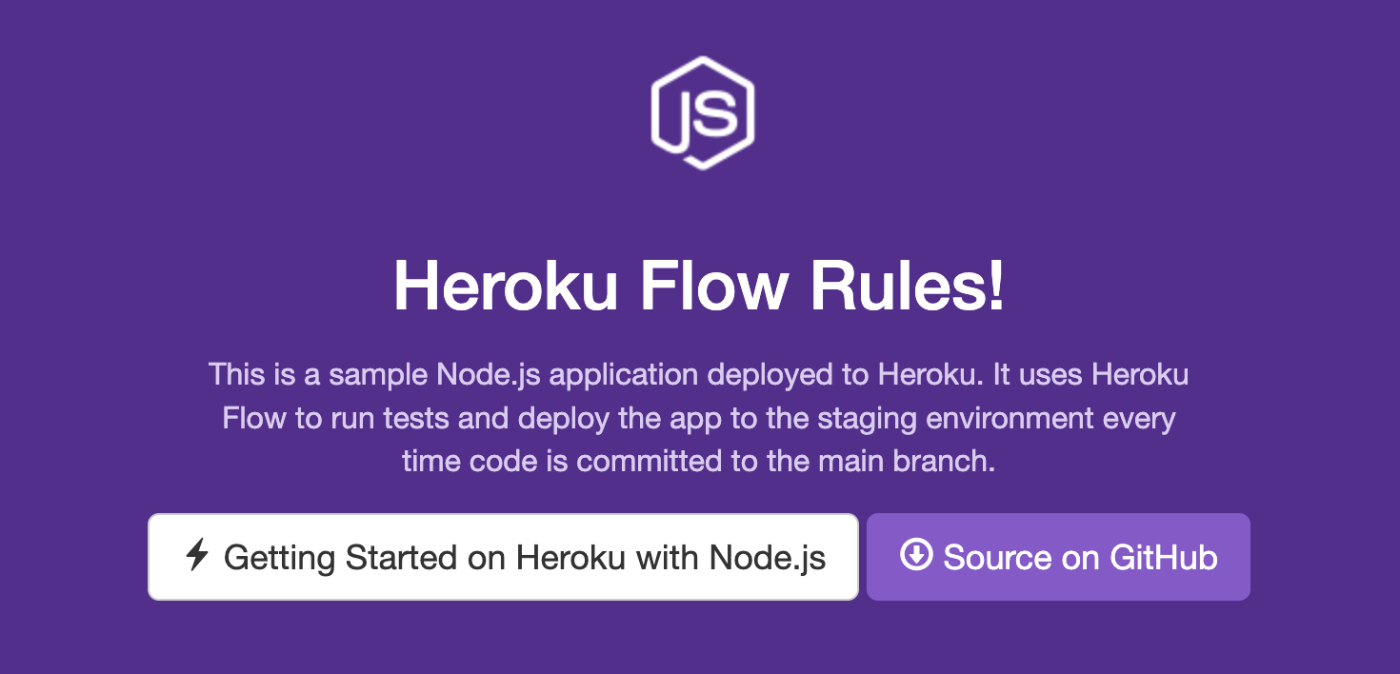 If you want to go all in on Heroku, you can use a series of solutions called Heroku Flow to configure all your CI/CD without any third parties.
90. Location, Location, Location! PostGIS and Heroku Postgres
 In this article, I’ll show you how to get a PostGIS-enabled Postgres instance running on Heroku. Then, I’ll run some sample queries on the database,
91. How To Use The Flexibility Of Nginx To Make Your Apps More Powerful
 Open-source application diversity is both the biggest boon in the Free and Open-Source Software (FOSS) movement, and its greatest hindrance to adoption. You don’t always own the application you're consuming, and it often comes with certain opinions and limitations imposed by the software author—either intentionally or otherwise.


