AI & ML
A Multimodal Engineering GraphRAG Framework for Post-Wind-Event Building Assessment and Recovery Inference
arXiv cs.SE0 views
arXiv:2610.28216v1 Announce Type: cross Abstract: Post-event building assessment requires linking observed physical damage to its consequences for safety, habitability, functionality, and recovery. Yet post-disaster evidence is often heterogeneous, incomplete, and distributed across images and reconnaissance reports, while recovery models typically require structured engineering inputs. This study develops a multimodal engineering Graph Retrieval-Augmented Generation (GraphRAG) framework that connects post-wind-event damage evidence to physical consequences, building-condition states, recovery actions, and downtime. Image- and text-based evidence is transformed into a provenance-preserving, component-level representation distinguishing confirmed damage, explicit negative evidence, unresolved conditions, and temporary measures. Graph-aligned retrieval combines comparable building scenarios with explicit engineering relationships, while compatibility, contradiction, evidence-precedence, and abstention mechanisms constrain inference under partial observability. Recovery actions are derived from supported damage-consequence relationships, and downtime uncertainty is propagated through an action-dependency network using Monte Carlo simulation. The framework is demonstrated for tornado-affected low-rise residential buildings using reconnaissance and image-based evidence. Comparisons with BaselineRAG and Structured Baseline RAG show improved agreement for key building-condition and recovery outcomes, together with traceable engineering reasoning and preserved evidence provenance. Ablation analyses demonstrate the contributions of engineering context, evidence safeguards, and graph-path traversal. The results support transparent, recovery-oriented assessment from incomplete multimodal post-event evidence.
Source:https://arxiv.org/abs/2610.28216PreviousFrom RL Papers to Framework Code: Inclusion and Review in Seven Open-Source Training FrameworksNextQuantum Broker: QoS-Aware Distribution of Quantum Computations
Related posts

Email: OpenAI plans to merge ChatGPT's Chat and Work tabs on desktop, rolling out to select users before a wider release; Codex remains a separate experience (Ivan Mehta/TechCrunch)
0Techmeme

Memo: Alphabet is issuing €6B in euro-denominated debt across seven tranches, attracting €17B+ of demand; the company sold €9B of bonds earlier in 2026 (Reuters)
0Techmeme

S-1: Anthropic reports Q3 revenue up 12x YoY to nearly $17B, a net loss of $23.3B, up from $12.1B in Q3 2025, and operating expenses up 292% to $17.5B (Bailey Lipschultz/Bloomberg)
0Techmeme

Sources: Apple is developing a tabletop robot with a 9" screen and a swiveling arm, set for release in 2027 or 2028 for ~$1,000, as John Ternus pushes robotics (Aaron Tilley/The Information)
0Techmeme

Shutting the Door on the XCPE Botnet (Threat Intelligence)
0LWN.net
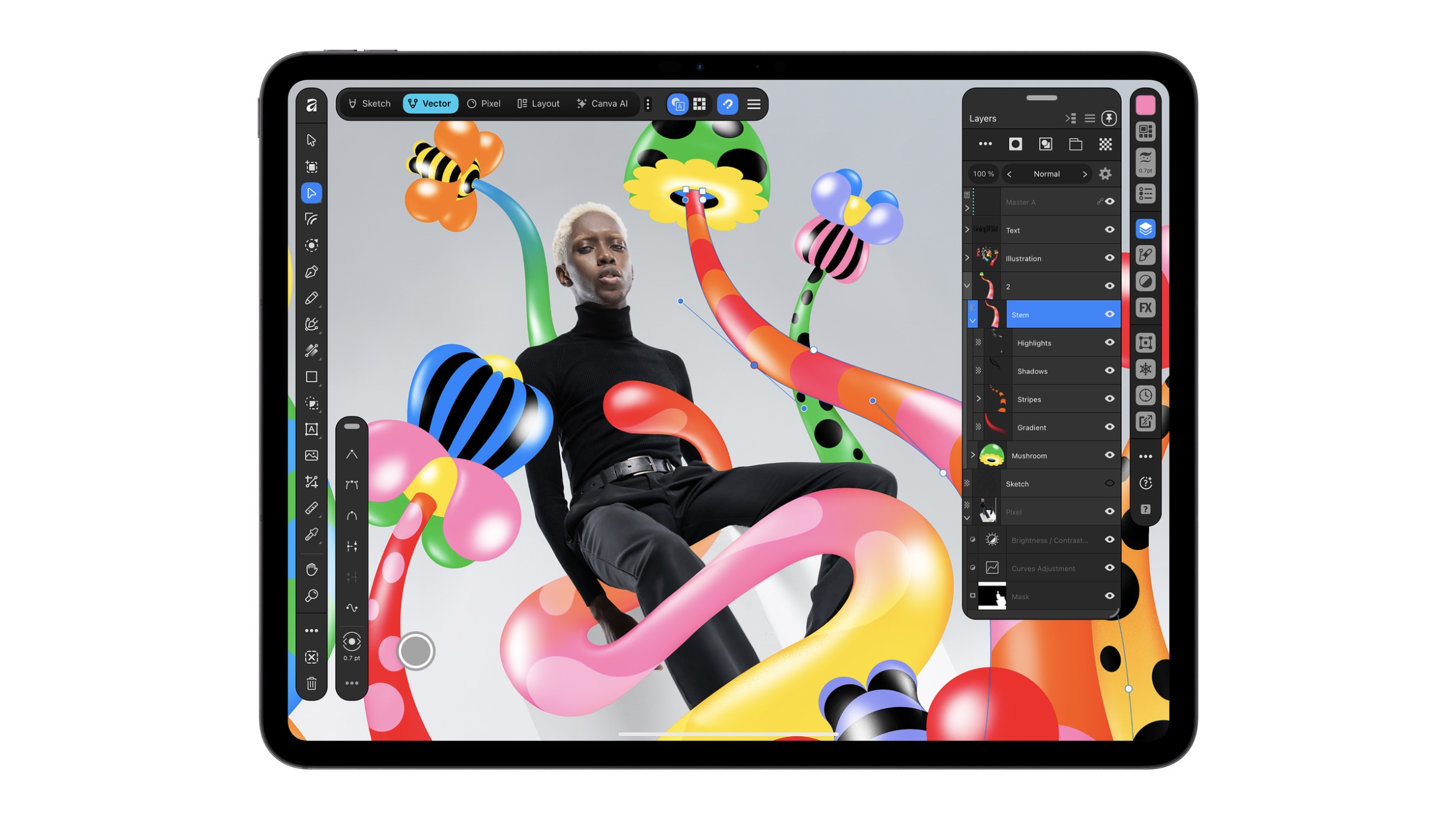
Canva Brings Free All-in-One Affinity App to iPad
0MacRumors