AI & ML
A spinal-inspired spiking neural network for continuous finger-joint kinematics estimation from high-density surface EMG
arXiv cs.HC0 views
arXiv:2610.33979v1 Announce Type: new Abstract: Decoding simultaneous and proportional finger kinematics from high-density surface electromyography (HD sEMG) remains challenging. Although data-driven methods have shown promising performance for finger movement decoding, their limited physiological interpretability remains a relevant limitation. This study proposes and evaluates a spiking neural network (SNN) that incorporates spinal-inspired structures and mechanisms to predict multi-joint finger kinematics from HD sEMG signals. The spinal-inspired SNN includes a spike-encoding computational model with input-noise variability, a phenomenological representation of Henneman's size principle, and excitation/inhibition (E/I) balance. HD sEMG and kinematic data were collected from 23 healthy participants performing grasping tasks under different elbow and wrist postures. Performance was assessed using six prediction metrics and compared against six baseline machine learning and deep learning methods. The proposed method showed a large and significant ($p<0.05$, rank-biserial correlation $r_{rb}>0.7$) improvement over all baseline methods across all accuracy metrics. Performance improved significantly with increasing spike encoder firing rates up to approximately 128 Hz, and with more regular input spike trains compared with a Poisson-like encoder. In contrast, the E/I balance did not significantly affect the decoding performance of the algorithm. The firing rate and inter-spike interval statistics of the SNN differed significantly across motor tasks. These results demonstrate that incorporating neurophysiological principles into SNNs improves prediction performance while providing additional physiological interpretability for simultaneous and proportional finger-kinematics decoding. This approach represents a promising step toward physiology-informed neural networks, with potential applications in motor rehabilitation.
Source:https://arxiv.org/abs/2610.33979PreviousInteractiveWorld: A Verifiable Human-Centric Environment for Building Better Interactive MLLM AssistantsNextDetecting and Understanding Ambiguity in Visualizations with Role-Playing Vision Language Model Interpretations
Related posts
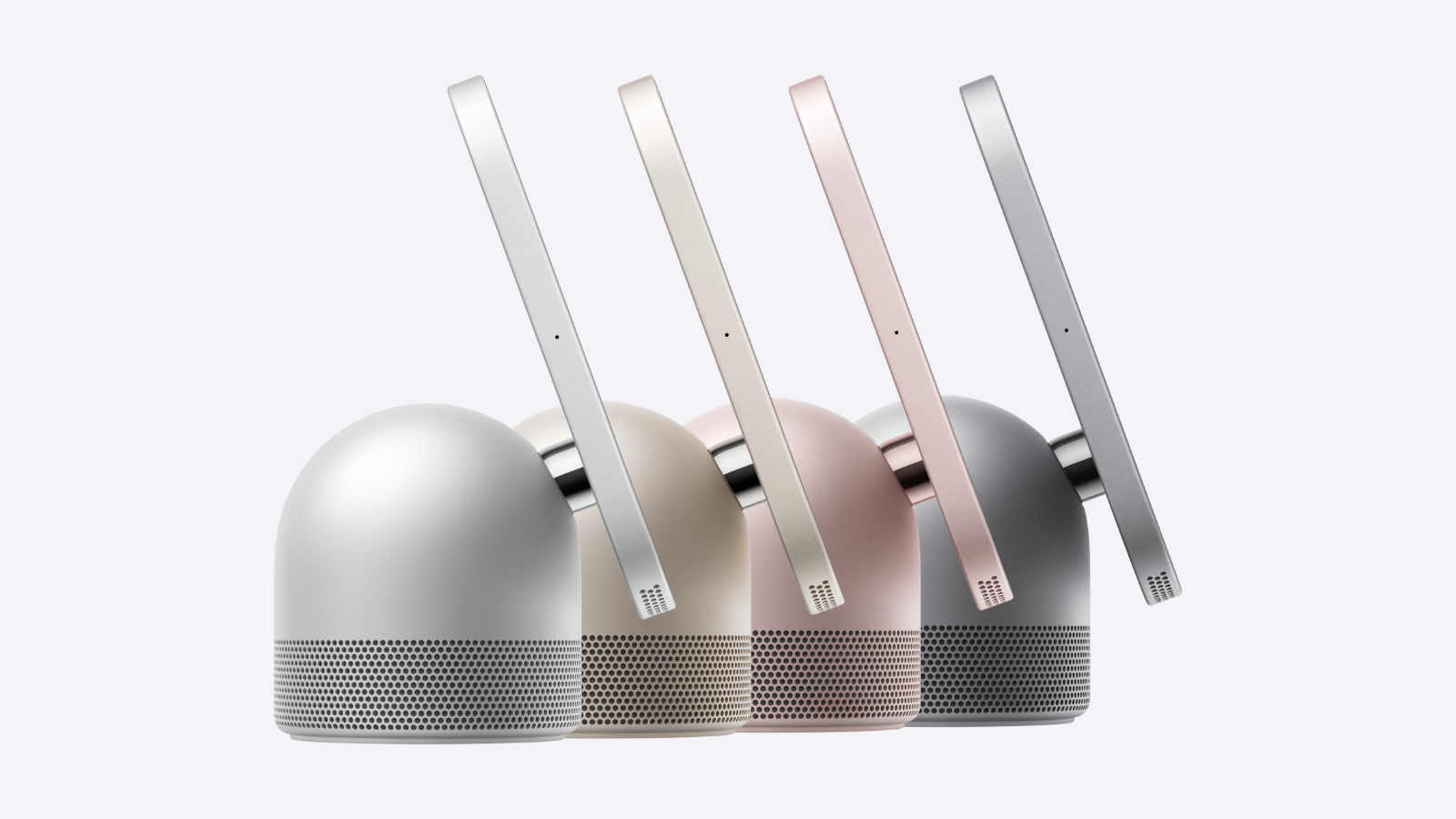
Apple 'HomeView Ultra' With 9-Inch 360º Screen Detailed in New Report
0MacRumors

Apple Isn't Done With 2026: Here's What's Still Coming
0MacRumors
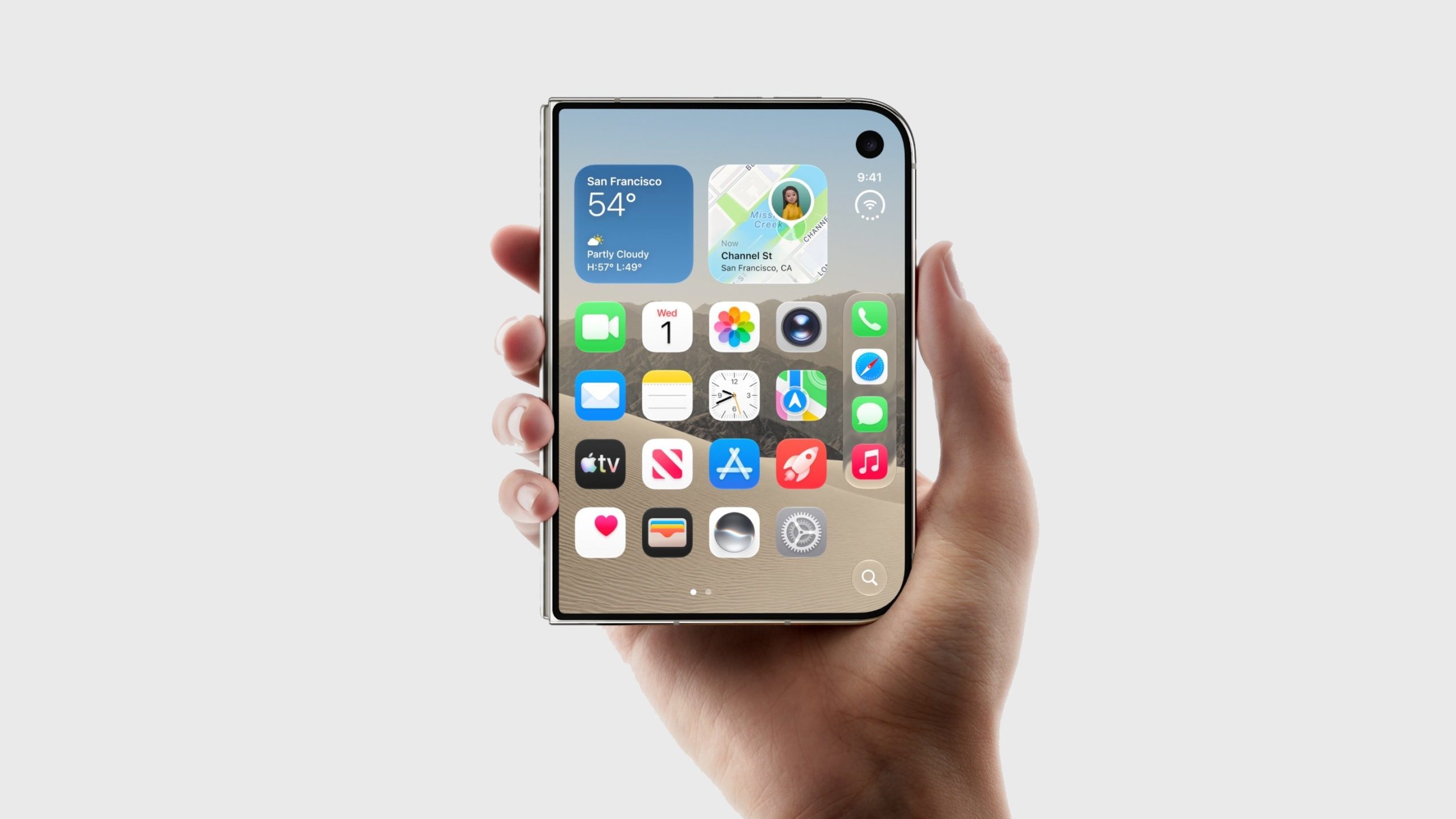
Mark Gurman: Apple Initially Aimed to Release iPhone Duo in November
0MacRumors
iOS 27.2.1 Coming Soon, iOS 27.3 Beta Likely Available Tomorrow
0MacRumors

Grokipedia offers lessons in how AI can help Wikipedia
0Hacker News New

Are Prediction Markets Missing the Voters Who Could Decide the 2026 Midterms?
0Hacker News New