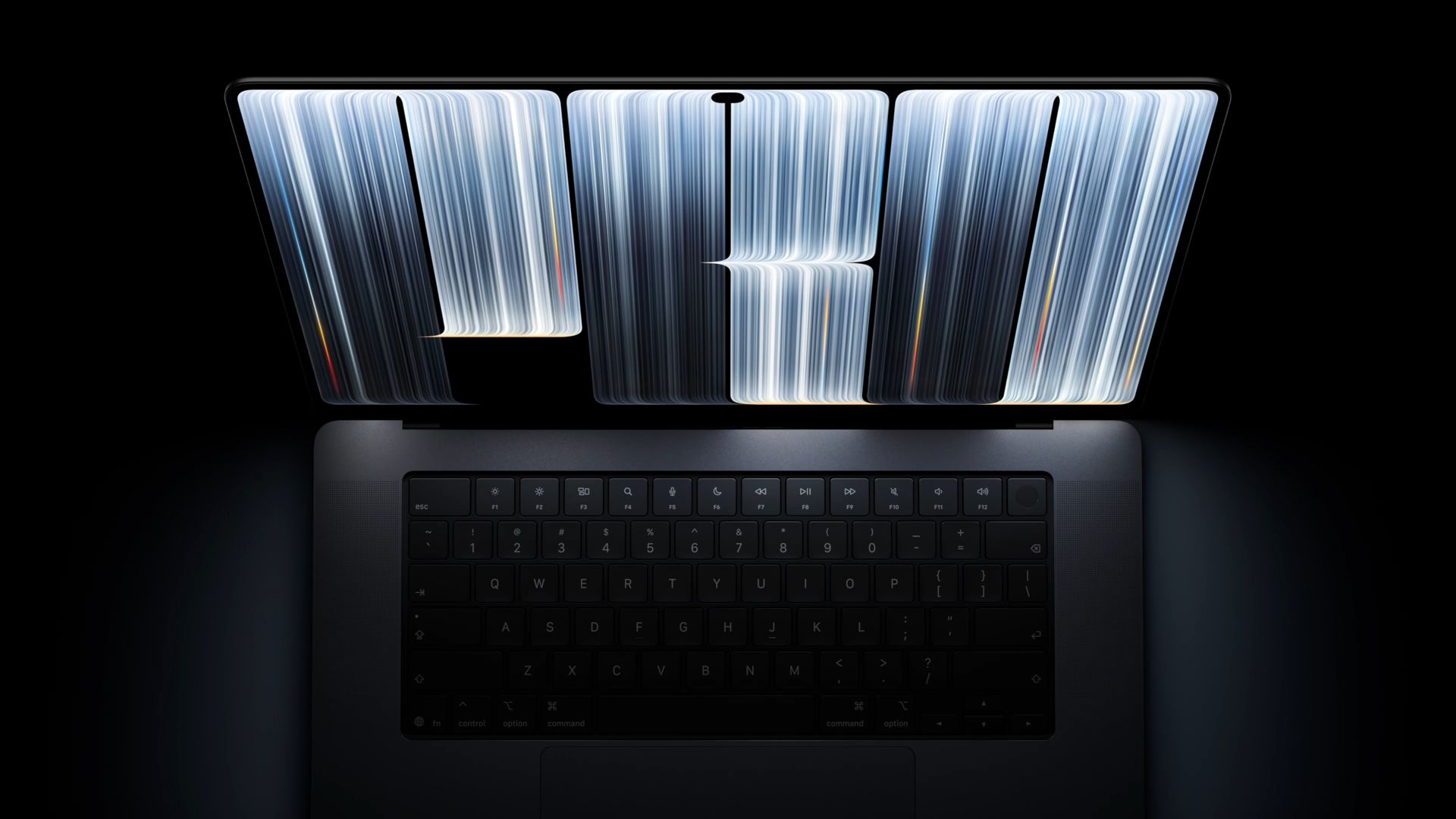
Apple finally has touchscreen laptops. At an event in Los Angeles, the company detailed its new MacBook Pros featuring OLED XDR displays that you can control with your fingers.
There are 14-inch and 16-inch variants, each of which runs a version of macOS 27 Golden Gate that has been modified to be easier to control with touch, though the standard keyboard and touchpad controls are there.The 14-inch and 16-inch MacBook Pros are available for pre-order now and will ship on Nov. 6. The 14-incher will start at $2,899, while the 16-incher will start at $3,399. The systems use Apple's existing M5 Pro and M5 Max chips.
These systems also feature the first redesigns for the MacBook Pro since 2021, when the M1 Pro and M1 Max launched in what has become a familiar design with a notch. These new models include the Dynamic Island around the webcam, similar to the iPhone, which can be used for real-time notifications.
These systems also feature the first redesigns for the MacBook Pro since 2021, when the M1 Pro and M1 Max launched in what has become a familiar design with a notch. These new models include the Dynamic Island around the webcam, similar to the iPhone, which can be used for real-time notifications.
These systems also feature the first redesigns for the MacBook Pro since 2021, when the M1 Pro and M1 Max launched in what has become a familiar design with a notch. These new models include the Dynamic Island around the webcam, similar to the iPhone, which can be used for real-time notifications.
The 14-inch MacBook Pro is 3 pounds about half a pound less than the existing version, while the 16-inch MacBook Pro is 4 pounds or 0.7 pounds lighter than it did before. Apple's bezels are also less noticeable than before. The hinge seems to be a point of pride (that's the second time this month, after the iPhone Duo). In this case, it's that the screen is less prone to wobble when you touch it.
The significant change to the Mac is another in a flurry of launches for new CEO John Ternus, who also recently introduced the iPhone 18 Pro; the foldable iPhone Duo; Apple Watch Series 12 and Ultra 4; HomeView; and a new iPad Mini, also with an OLED panel.
The devices follow a long resistance to touchscreen laptops from Apple. Former CEO Steve Jobs, at an event introducing Mac OS X Lion in 2010, called laptops with touchscreens "ergonomically terrible", claiming that "after an extended period of time, your arm wants to fall off." (HomeView, Apple's smart home manager, has a vertical touchscreen and no one has made a peep about that. The iPad, too, has been vertical on Apple's keyboards, though some of those include touchpads as well).
The Mac resisted a touchscreen throughout former CEO Tim Cook's tenure, as well, though these new laptops definitely were developed under his leadership. In the last decade, touchscreens have become a common feature on laptops running Windows, and Microsoft's latest operating system, Windows 11, was designed to be slightly more touch-friendly than its predecessors.
Developing....