In the age of Artificial Intelligence, one thing that everybody keeps talking about is hyperscaling. These massive entities are incentivized to recursively analyze copious amounts of data for their training with tons of garbage collecting, wasted compute, and environmental problems. Society is also making a conscious decision on trusting these firms with lots of economic and creative power. This is the whole problem with centralization and with every other major AI company wanting to get there first.
Nobody is even considering the ethical ramifications on what these AI systems could have on society, at least not to the point of pushing for the transparency the general populus probably are hoping for.
As the founder of
In the era of Anthropic and Open AI, numerous companies are competing to develop the next frontier model, yet they have not adequately addressed the mathematical issues tied to the enormous training expenses and the challenges associated with that training. Additionally, there exists a significant limitation: rather than allowing large hyperscalers to create or train AIs, I envision democratizing AI training and empowering everyday individuals with that capability.
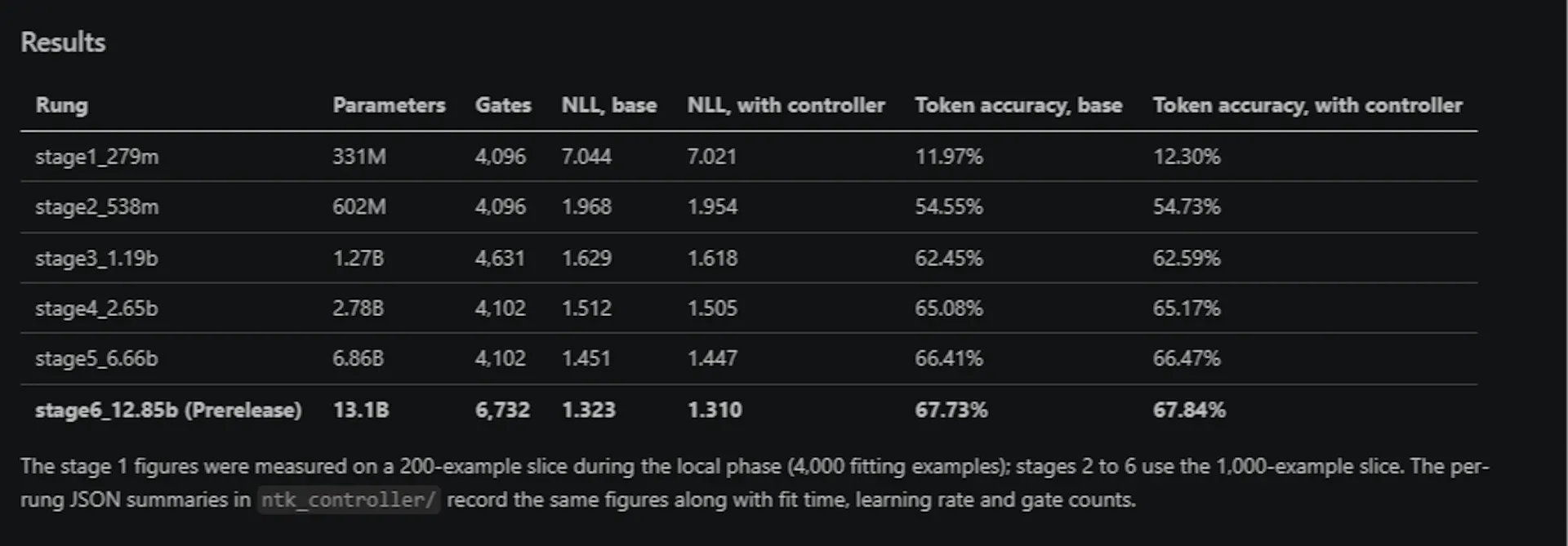
This brief demonstration serves to illustrate the vast potential that Riemann Computing aspires to achieve. That is why recently, I launched the pre-release for “
The pre-release of "
The idea comes from taking the

The concept is straightforward: if it's feasible to create a 13B parameter model that produces somewhat reasonably accurate strings on a limited budget, it paves the way for individuals to train and develop AIs locally. This shift could lead to significant decentralization, moving AI models away from being controlled by a select few organizations.
On the other hand, Riemann Computing aims to sell proprietary codecs, and enterprise-level systems. Our vision is to create an ecosystem rather than being the sole authority in the AI revolution. The objective is straightforward: to maintain openness and transparency. The future should not be controlled by a select few; it should belong to the creators. I am Andrew Magdy Kamal, and I hope to see the creator economy. Cheers!


