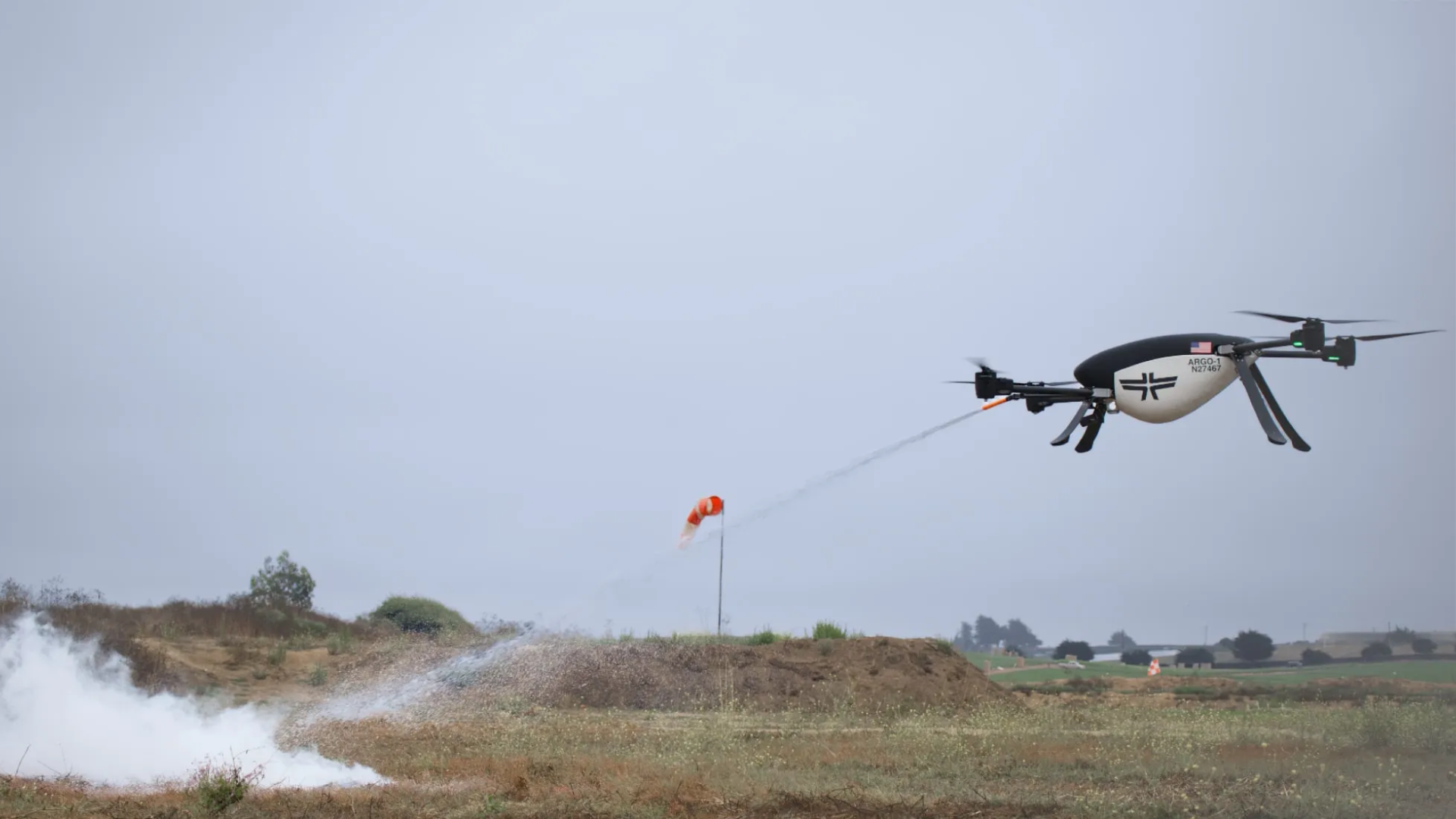
The San Bernardino County Fire Protection District has just acquired a fleet of five autonomous drones that will allow it to battle wildfires before they become worse. According to a press release (via PR Newswire), the drones will be provided by Seneca Systems, which will deploy the drones and a mobile operations base. These units also come with autonomy software, allowing a single pilot to supervise the entire team, which is capable of delivering over 500 gallons of firefighting foam to a target area.
BREAKING: The largest county in America by land area is deploying autonomous drones to fight wildfires.@Seneca_Systems has secured a deal with San Bernardino County Fire to deploy five autonomous firefighting drones, a mobile operations base, and autonomy software designed to rapidly suppress newly detected wildfires before they spread.The five-drone strike team can deliver over 500 gallons of finished firefighting foam, with a single pilot supervising multiple aircraft. The system is designed for rapid response, including nighttime operations and difficult-to-access terrain.San Bernardino County Fire Chief Dan Munsey has set an ambitious goal to stop 90% of fires before they grow beyond 10 square feet, with Seneca's autonomous rapid initial attack capabilities potentially playing a key role.The drones are expected to enter service ahead of the 2027 wildfire season.October 30, 2026
San Bernardino is the largest county in California and the United States by land area. Given the fact that the state is prone to wildfires, especially during spring, summer, and early fall, autonomous firefighting drones would help its firefighters cover more area and address localized fires before they become larger threats. “Our goal is to stop 90% of fires before they grow larger than 10 square feet,” San Bernardino County Fire Protection District chief Dan Munsey said.
"Seneca's aircraft give us a capability that has never before been possible: autonomous rapid initial attack. We've been working closely with Seneca for over a year to develop a system that meets our needs. This product will help us to get more quickly to parts of the County that are at the highest risk and help make those communities safer. It force-multiplies what our firefighters can do, and it keeps them safer while they do it."
The five-drone strike could be launched from anywhere, and they’re capable of reaching starting fires in under 10 minutes of detection. More importantly, the drones’ onboard sensor suite allows firefighters to operate them 24/7, allowing them to get to hard-to-reach areas even at night. This should help Munsey achieve his target of putting out wildfires before they become larger, difficult to control, and a threat to the county’s two million residents. More importantly, giving one firefighter the ability to direct five units could potentially free up other firefighting crews to respond to other incidents.
Civilian first-responder agencies have been using drones to augment their operations for years, but this is one of the first instances that an AI-powered Seneca drone will be deployed to support their operations. Nevertheless, Drones-as-First-Responder (DFR) systems have increasingly become more popular in the U.S., with both startups, like BRINC, and established companies, such as Flock, offering units to cut 911 response times. We’ve even seen some states deploy “Campus Guardian Angel” drones to help neutralize school shooters.


