AI & ML
Feasibility of Common-Stream-Only Sensing in ZF-RSMA with Imperfect CSIT
arXiv eess.SP0 views
arXiv:2610.41744v1 Announce Type: cross Abstract: Reusing the Rate-Splitting Multiple Access (RSMA) common stream for sensing eliminates dedicated probing signals in Integrated Sensing and Communication (ISAC), but creates a feasibility bottleneck: the common-power fraction must simultaneously support common decoding, private decoding, and target detection. This paper investigates this tradeoff in downlink zero-forcing RSMA with imperfect channel state information at the transmitter (CSIT) and imperfect successive interference cancellation (SIC). With the common beam fixed over a sensing dwell through sensing geometry, the common-power fraction becomes the sole design variable. We prove that the communication-feasible set is either a closed interval or empty. Analytical outage expressions localize these endpoints, revealing a high-signal-to-noise ratio (SNR) floor-ceiling effect: common decoding dictates a common-power floor, while imperfect CSIT and SIC impose a private-decoding ceiling. For sensing, the conditional detection constraint is affine, preserving the interval structure. A geometry-matched common beam ensures monotonic detection improvement, reducing joint-feasibility check to the communication-feasible upper endpoint. Simulations validate our analysis, identifying regimes where common-stream-only sensing is viable.
Source:https://arxiv.org/abs/2610.41744PreviousBeamfocusing Beyond the Near Field: Frequency Diverse Arrays for OFDM-ISAC SystemsNextNear-Field Multipath MIMO Channels: Modeling Reflectors and Exploiting NLOS Paths
Related posts

Snap settles US social media trial days after Meta
0Phys.org Tech

Marvell, Lumentum merge in $115 billion deal amid AI spending jitters
0Phys.org Tech

Show HN: Subvocal – Talk to your computer without making noise
0Hacker News Best
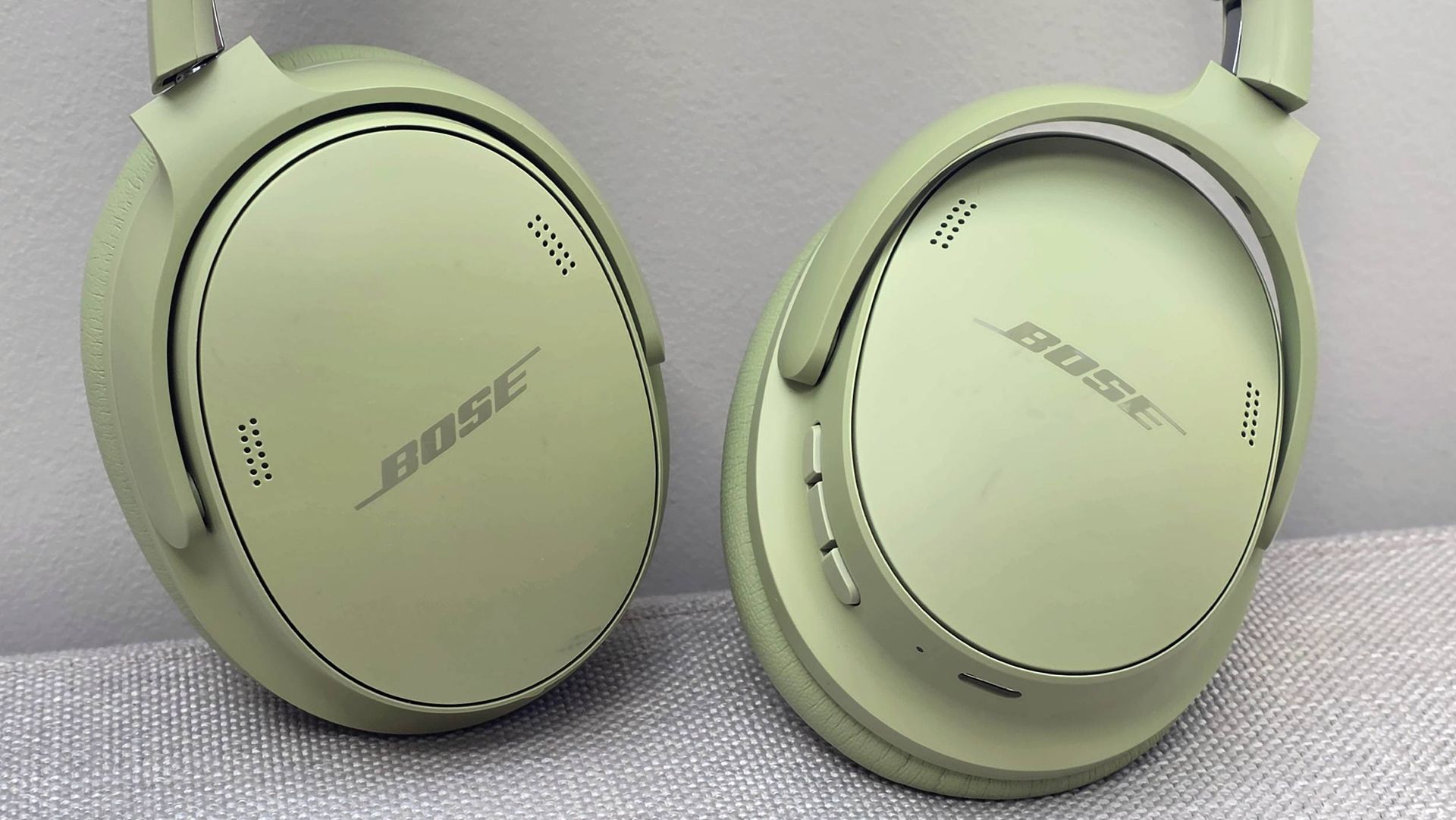
The new and four-star-rated Bose QuietComfort Headphones are already down to a record-low price ahead of Black Friday
0TechRadar

AI may be the future, but customer experience must meet the price-point
0TechRadar
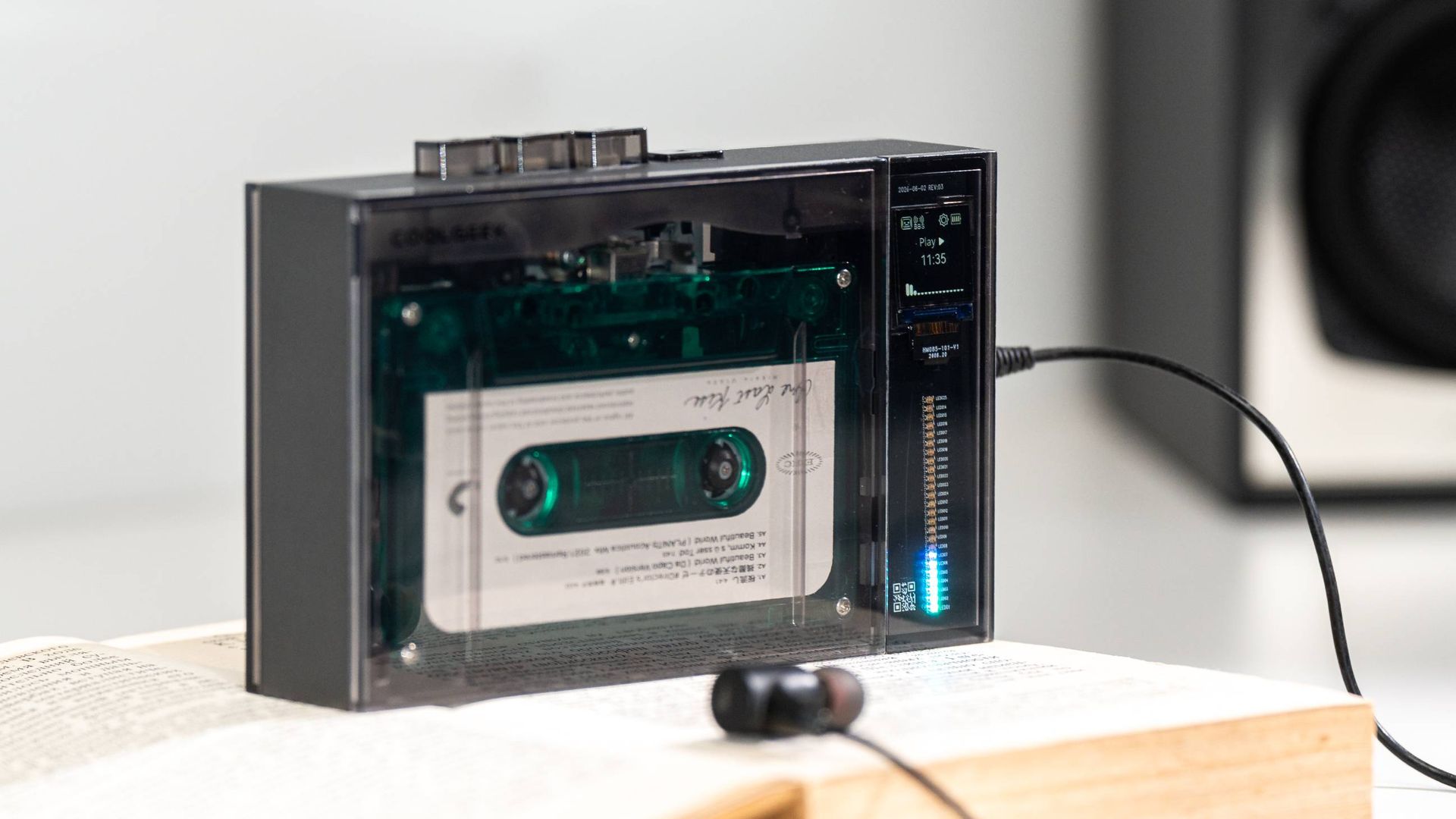
The cassette player renaissance continues with this Bluetooth-toting high-tech Kickstarter model
0TechRadar