
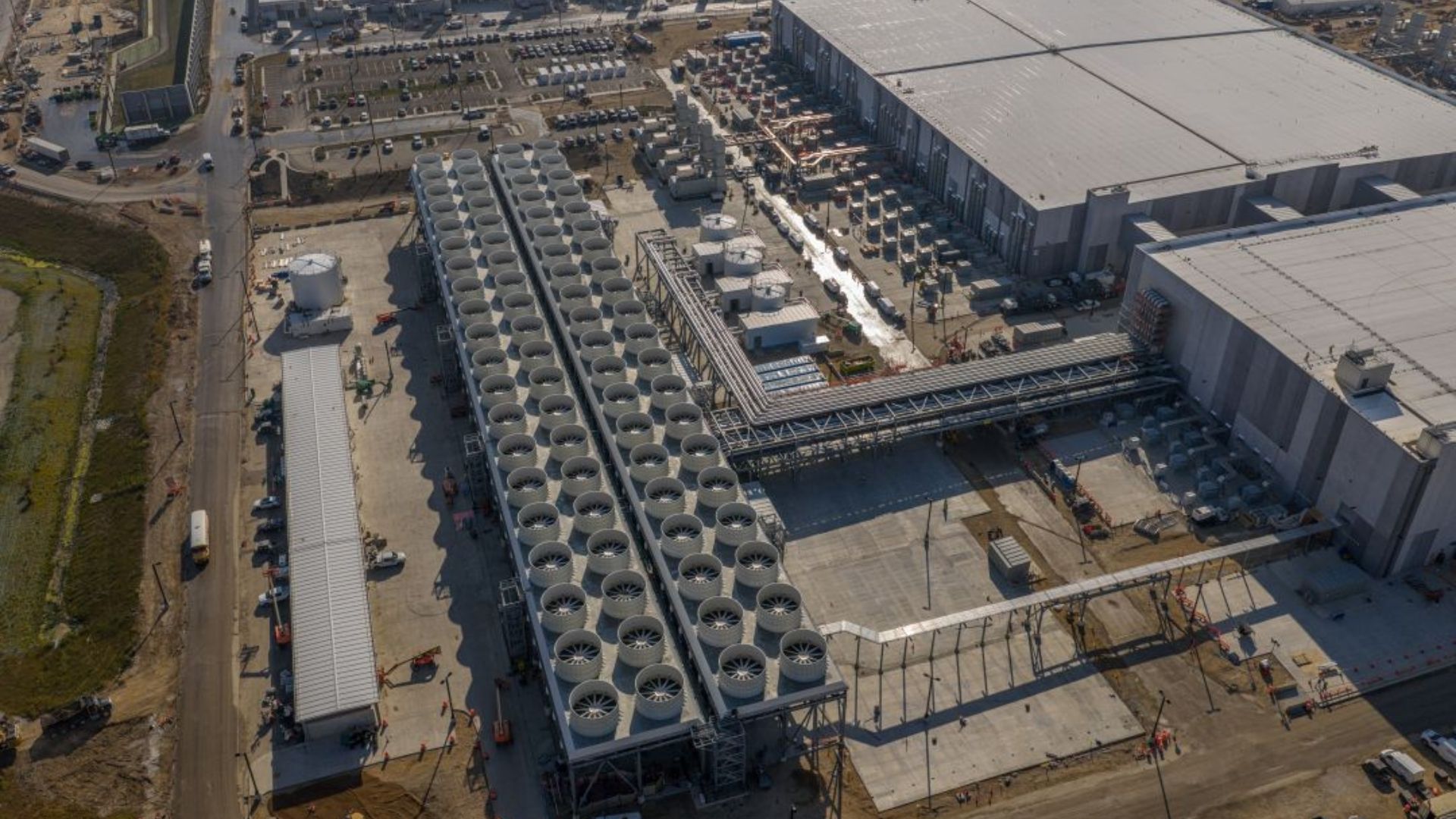
Google has secured approval for a proposed data center in Hermantown, Minnesota, following a unanimous vote by the city council, MPR News reports. The decision, reached on Friday, October 30, clears a major hurdle for the company following at least two postponed meetings and hours of public opposition, though the project still faces lawsuits and a separate inquiry into its electricity supply. The proposed development could cover just over 200 acres in a rural residential area outside Duluth with three data center buildings spanning approximately 1.66 million square feet.
- The data center cooling state of play
- The custom AI ASIC state of play
- America’s AI chip rules keep changing — and the rest of the world is paying the price
- GTC 2026: Ian Buck press Q&A transcript — VP of Hyperscale and HPC speaks out on shelving CPX and shipping LPU decode this year
- Demand for data center CPUs has surged, and AI agents are responsible
The council approved a development agreement, a special use permit, and provisions for decommissioning the site if construction is abandoned or the facility eventually closes. The meeting, which was capped at 85 people and offered a livestream, ended shortly before midnight, with some criticizing the attendance restriction. Council member John Geisler, however, clarified the move, noting that the decision concerned local land use application rather than the wide debate over artificial intelligence or big technology companies.
“What we've done tonight is not about AI. It's not about big tech. It's not about software. It's about a project here in Hermantown, a land use application, and agreements that are associated with that,” Geissler said.
The approval comes at a hefty price for Google, with the company being forced to make several changes during the approval process. The company changed its initial plan of putting up four buildings to three, capped their height at 33 feet, and agreed to monitor nearby private wells —but each building would still be larger than six football fields. Google also agreed to withdraw an earlier request for up to $80 million in property tax breaks. The revised arrangement is now expected to generate about $3 million in annual property tax for the city, with a separate decommissioning agreement valued at $210 million in place.
Supporters point to those provisions as evidence that Google had responded to local concerns. Opponents, however, argue that the changes did not address the important questions of whether such a colossal development belongs in the area. The dispute echoes other data center battles within local communities, with Alabama residents being unable to halt a 50MW Bitcoin mining facility in August, despite local moratoriums, exposing gaps in the state's zoning rules. In September, a proposal for a 1,300-acre data center in Pennsylvania by NorthPoint Development also faced resistance despite its developer offering $10,000 to thousands of nearby households. Key issues raised mostly by residents in both cases have been about noise and water consumption by such facilities and property values.
It’s important to note, however, that Hermantown’s vote does not mean Google can immediately begin construction. Three lawsuits filed by The Minnesota Center for Environmental Advocacy and Stop the Hermantown Data Center challenge the city’s zoning process and ownership of the land, and are also demanding the project’s environmental review. The project’s environmental needs are also another pain point, given it requires about 500 megawatts, comparable to the combined demands of homes in Minneapolis, St. Paul, Duluth, and Rochester, as per the Citizens Utility Board of Minnesota. Google still needs approval from the Minnesota Public Utilities Commission on power consumption, despite its agreement with Minnesota Power.
The scale of demand is a recurring point of friction in data center proposals. Last year, the OpenAI Stargate facility in Michigan received approval for a 1.4-gigawatt power supply — construction, however, started in June 2026 despite objections from local residents. Google is also pursuing a separate data center project near Pine Island, close to Rochester. That proposal is now subject to a more extensive environmental review following a legal settlement.