AI & ML
Safety Blind Spot in Remote Driving: Considerations for Risk Assessment of Connection Loss Fallback Strategies
arXiv eess.SY0 views
arXiv:2502.10243v3 Announce Type: replace Abstract: As part of the overall goal of driverless road vehicles, remote driving is a major emerging field of research of its own. Current remote driving concepts for public road traffic often establish a fallback strategy of immediate braking to a standstill in the event of a connection loss. This may seem like the most logical option when human control of the vehicle is lost. However, our simulation results from hundreds of scenarios based on naturalistic traffic scenes indicate high collision rates for any immediate substantial deceleration to a standstill in urban settings. We show that such a fallback strategy can result in a SOTIF-relevant hazard, raising the question whether this design decision is acceptable. Therefore, from a safety perspective, we call this problem a safety blind spot, as safety analyses in this regard seem to be very rare. In this article, we first present a simulation on a naturalistic dataset that shows a high probability of collision in the described case. Second, we discuss the severity of the resulting potential rear-end collisions and provide an even more severe example by including a large commercial vehicle in the potential collision.
Source:https://arxiv.org/abs/2502.10243PreviousGeometric Pairwise Classification of Affine Constraints over Ellipsoidal RegionsNextOptical Network Digital Twin -- Practical Use Cases and Architecture
Related posts
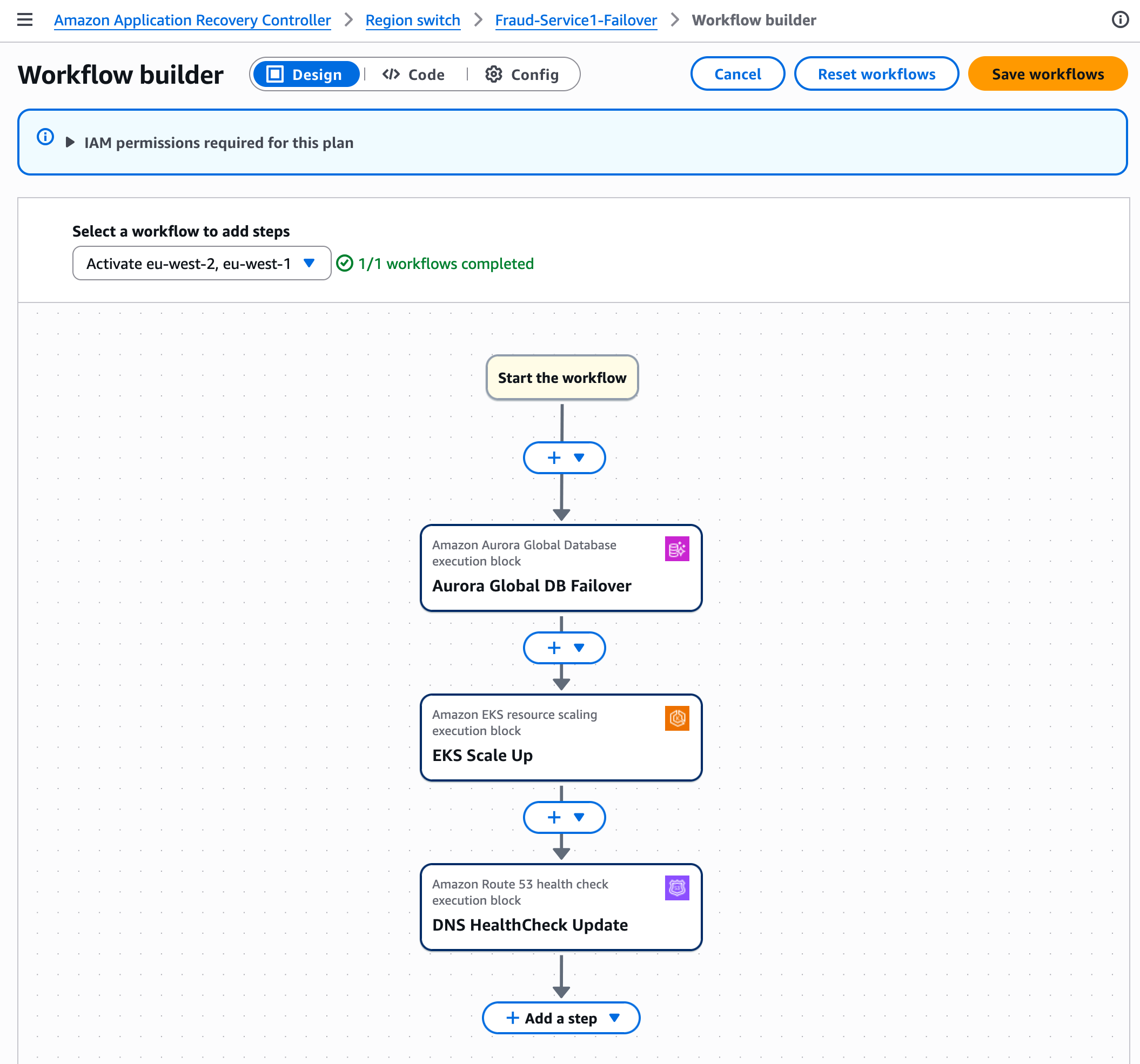
Self-service regional failover with Amazon Application Recovery Controller Region Switch and centralized ingress controls
0AWS Architecture Blog

Synaptics patent claims stop work on DisplayLink drivers
0Lobsters

The multiplier effect: How authoring tools can transform web accessibility
0W3C 中文

Google’s new AI tool just proved Signal encryption really works – here’s how
0ZDNet

Google says its new AI proved Signal’s encryption in weeks
0The New Stack

New research explains why silicon outperforms thin film in the race for solar panel supremacy
0Phys.org Tech