If one thing's certain about AI, it's that it's made it easier than ever to produce professional-looking content – but it's just as easy to create poor-quality content, and Adobe itself will tell you that.
That's why the company argues that, despite initial concerns about AI threatening the roles of creative professionals, human expertise is actually becoming more valuable.
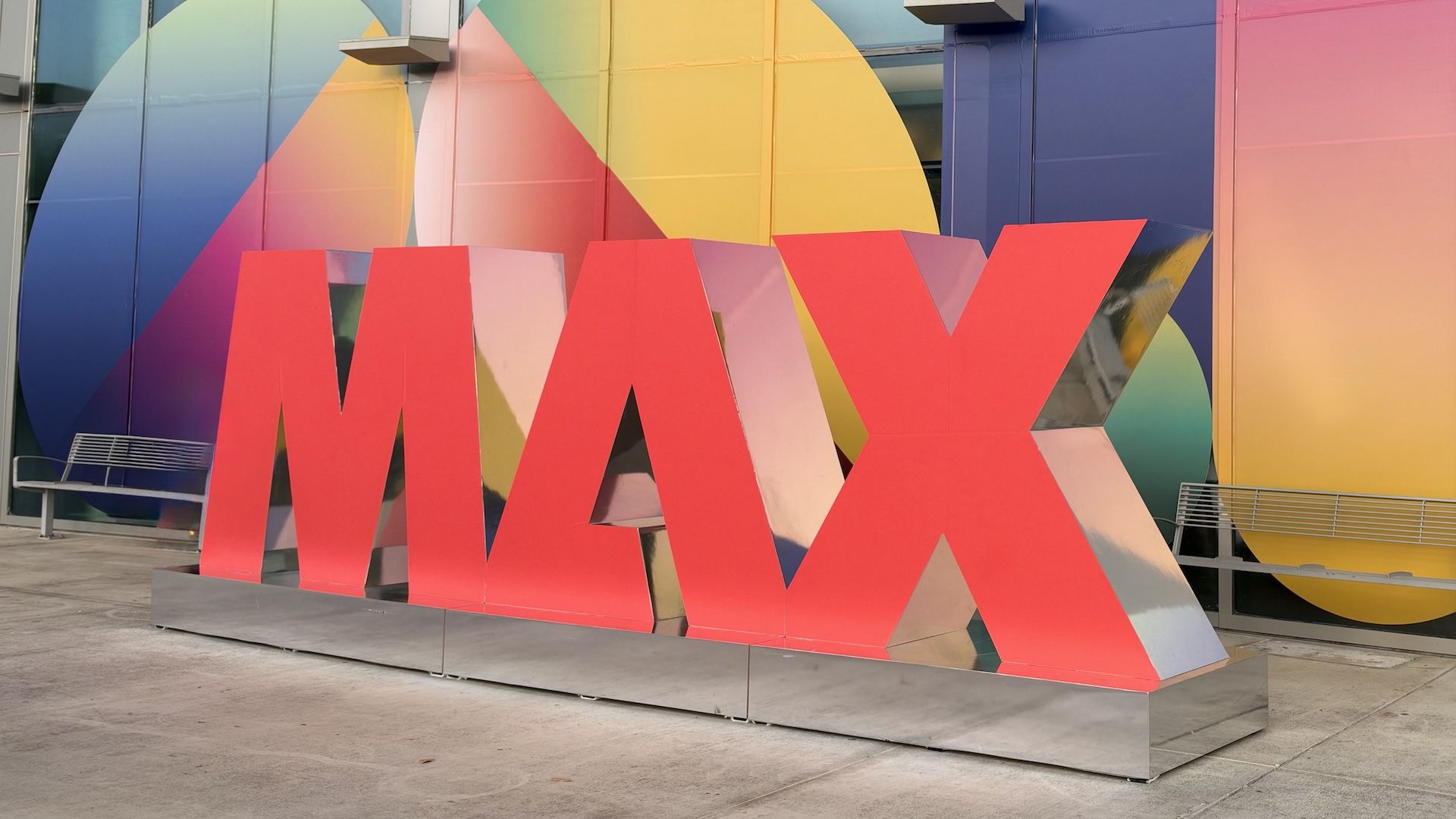
Speaking to the media in a fireside Q&A at its annual Adobe Max conference, company Product Marketing VP Deepa Subramaniam and Creative VP Resh Sidhu offered fresh perspectives on how judgment, ideas and creative direction are shining through.
They argued that while AI can help users generate content at a much faster speed, it can't necessarily take the creative direction decision. While the company was keen to push trust and precision as two themes at this year's sessions, serving its tools as ideation platforms was also a clear emphasis.
More quantity can actually be helpful to businesses looking to stand out
"Speed is a capability, it's not a creative strategy," Sidhu affirmed, calling for humans to add elements of taste, craft and judgement. "You can create a thousand options of something – you still need someone to decide that's the thing that's worth making."
The belief is largely that more non-designers can become designers – for example, writers will be able to visualize their concepts without having to learn specific apps or wait for colleagues to assist them.
By throwing more perspectives into the pot, it also means companies can have access to more ideas and, according to Adobe, separate out more high-quality content from average content.
Subramaniam also hinted at the traditionally steep learning curve associated with its flagship apps, noting that someone highly skilled in Photoshop might previously have struggled to produce motion graphics in After Effects without investing considerable learning time or enlisting a trained colleague.
But even as the technical barriers associated with producing content continue to fall, the company believes expertise could become an even more important differentiator among creators.
In short, while AI is undoubtedly shifting something, it's not the importance of human skills. We're in the midst of a transition where AI is both making specialist capabilities more accessible, but it's also highlighting the importance of human expertise and judgment.
The VPs both summarized by agreeing that producing more content doesn't necessarily mean producing better work, positioning AI as an enabler but not a replacer.