#​495 — October 30, 2026

Read on the Web

 React Status

Putting MUI, Mantine, Ant Design
and React Spectrum Under Load

Den Odell timed ten popular design systems, including MUI, Mantine, Ant Design and React Spectrum, by opening a 249-country dropdown and selecting 100 boxes at once, and profiling the slow cases. *"Performance belongs on the design system team's priority list, next to accessibility," he says, while finding:

  • 📊 With the CPU slowed 4x, opening the dropdown took 84ms in Mantine and 134ms in Ant Design, but over 200ms in MUI and React Spectrum, both of which froze the UI past his 100ms budget.

  • 🔍 React Spectrum's culprit was React Aria measuring options one by one and forcing layout each time. Den filed an issue and a fix is already in review.

  • ⚖️ Framework alone didn't decide the results as non-React Ionic was slowest to open by far (1,266ms) but quick with checkboxes, while MUI's 70ms for the checkboxes beat Ant Design's 421ms.

  • 🧪 Den's Playwright tests are open source, including a check that a list twice as long takes no more than about twice as long to open.

Agentic Mobile Development Needs Mobile AI Infrastructure — Your agent writes mobile screens fast. Getting them built and into the App Store is where it stalls. Expo is mobile AI infrastructure: native builds, store submits, over-the-air updates and workflows your agent can run. Start free.

Expo sponsor

TanStack Redact: A Smaller React for the Browser — A drop-in replacement for React/React DOM in the browser. Add it to your build config (Start, Vite, Vinext and Next.js are supported) and ship less JavaScript. But it renders synchronously, with no time slicing, so the compatibility guide is handy.

Tanner Linsley

💬 Does Redact pay off? On r/reactjs, commenters pondered who needs it and how it differs from Preact, while one tester found re-renders cost about twice the CPU across two production sites.

IN BRIEF:

React.lazy, Suspense and the Hidden 300ms Startup Delay — A lazy component suspends on its first render even when its code is already loaded, and React reveals suspended content at most once every 300ms. Here's how one team traced the resulting delay, and what fixed it (with or without React internals).

Matthew Wong (Tab Widgets)

TanStack DB 1.0 RC1, and How 'Oracles' Found Its Bugs — The reactive client data layer is now API stable, but check the migration guide, as mutation handlers, hooks and errors have changed. Kyle explains how agents, checked against simple reference models, found many of the bugs fixed.

Kyle Mathews (TanStack)

🤖 Ship Less JavaScript in Next.js with Your AI Agent – A new skill hunts bundle bloat using Turbopack's module graph. Will Binns-Smith (Vercel)

📄 Porting 287,000 Lines of React to Foldkit in 3 Days – Focuses on how they built a harness to ensure visual and behavioral parity. David Granzin (Maple)

📄 Async React and Progressive Server Actions – How to keep server action forms working before hydration, even with optimistic UI. Jacob Ebey

📊 React Compiler in Next.js 16.4: Babel vs Rust, Benchmarked Waseem Anjum

🛠  Code, Tools & Libraries

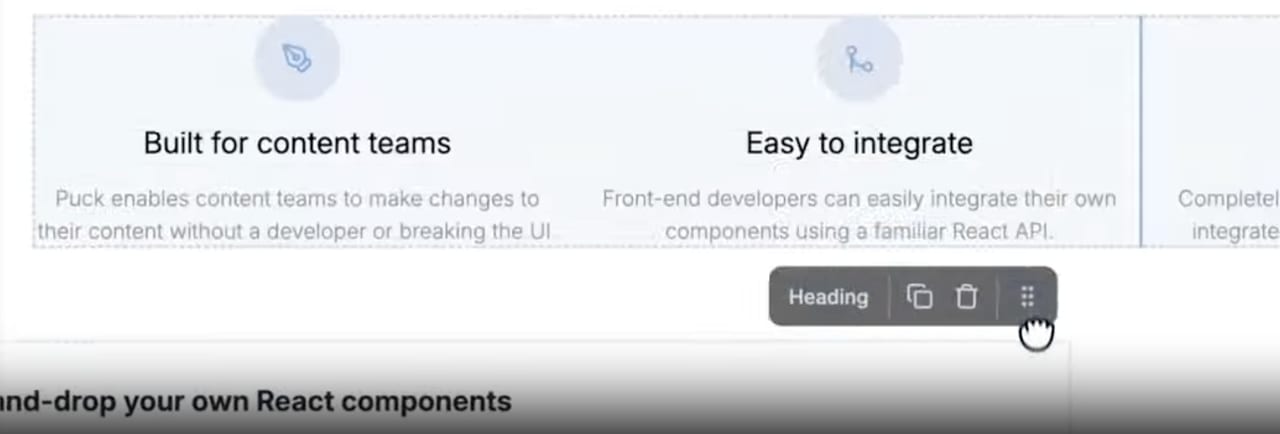
Puck 0.24: The Visual Page Editor for React — A drag-and-drop page editor you embed in your own app, using your own components. 0.24 lets you lay out a component's settings panel as you wish, improves drag and drop, and more. GitHub repo.

Fede Bonel Tozzi

react-window 2.5: Virtualized Lists That Scroll with the Page — Brian's long-standing virtualization library adds a scrollElement prop, so lists/grids can scroll along with the page or an ancestor, plus a headless useVirtualizer() for building your own virtualized layouts. Docs and demos.

Brian Vaughn

Vinext 1.4: The Vite-Powered Next.js Reimplementation Gets Faster — A Vite plugin that reimplements the Next.js API so you can deploy anywhere. 1.4 focuses on performance, with a Hacker News clone example now using 43% less server CPU per request vs 1.3, putting it slightly ahead of Next.js in that test.

James Anderson

🎃  And finally…

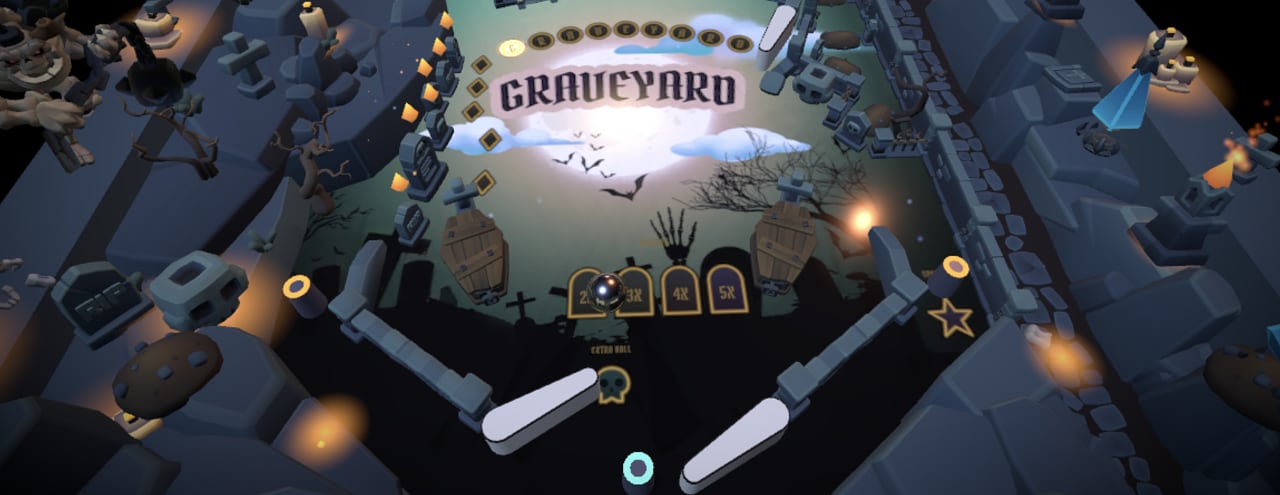
Halloween is almost upon us, so how about a round of Graveyard Pinball? It's built with React Three Fiber, with skulls, cauldrons and a skeleton mage. Its creator explains more about how it works here, including how the 3D table actually uses 2D physics.