Industry
To Stack or Not to Stack? Jacobian Conditioning and the Benefits of Depth in Metasurface-Based Linear Transformation Synthesis
arXiv eess.SP0 views
arXiv:2610.20377v1 Announce Type: new Abstract: This paper investigates when and why stacking programmable metasurfaces into Stacked Intelligent Metasurfaces (SIMs) improves linear transformation synthesis at a fixed phase-control budget. The analysis shows that algebraic Jacobian rank alone is insufficient to characterize practical synthesis, which also depends on the strength and balance of the sensitivity directions generated by the available controls. A layer-resolved analysis of the cascade model explains how inter-layer propagation can generate complementary sensitivity directions. The relevance of this mechanism is then assessed using an S-parameter multiport model that includes electromagnetic coupling and multiple scattering. Numerical results in near- and far-field sensing scenarios show that distributing the same control resources across multiple layers can strengthen weak transformation directions, improve Jacobian conditioning, and substantially enhance synthesis accuracy. These findings explain why increasing depth can offer benefits that are not obtained by simply enlarging a single programmable surface, and identify layer complementarity and Jacobian conditioning as useful criteria for SIM architecture design.
Source:https://arxiv.org/abs/2610.20377PreviousDual-Polarized Rate-Splitting Multiple Access for mmWave Communications: A Practical Design and Prototype ImplementationNextModeling Diffuse Scattering in Mobility Scenarios: Ray Tracing Model and Measurement Validation
Related posts

1point3acres Pricing (2026): Plans, Free Access, and What You Get
0dev.to Career
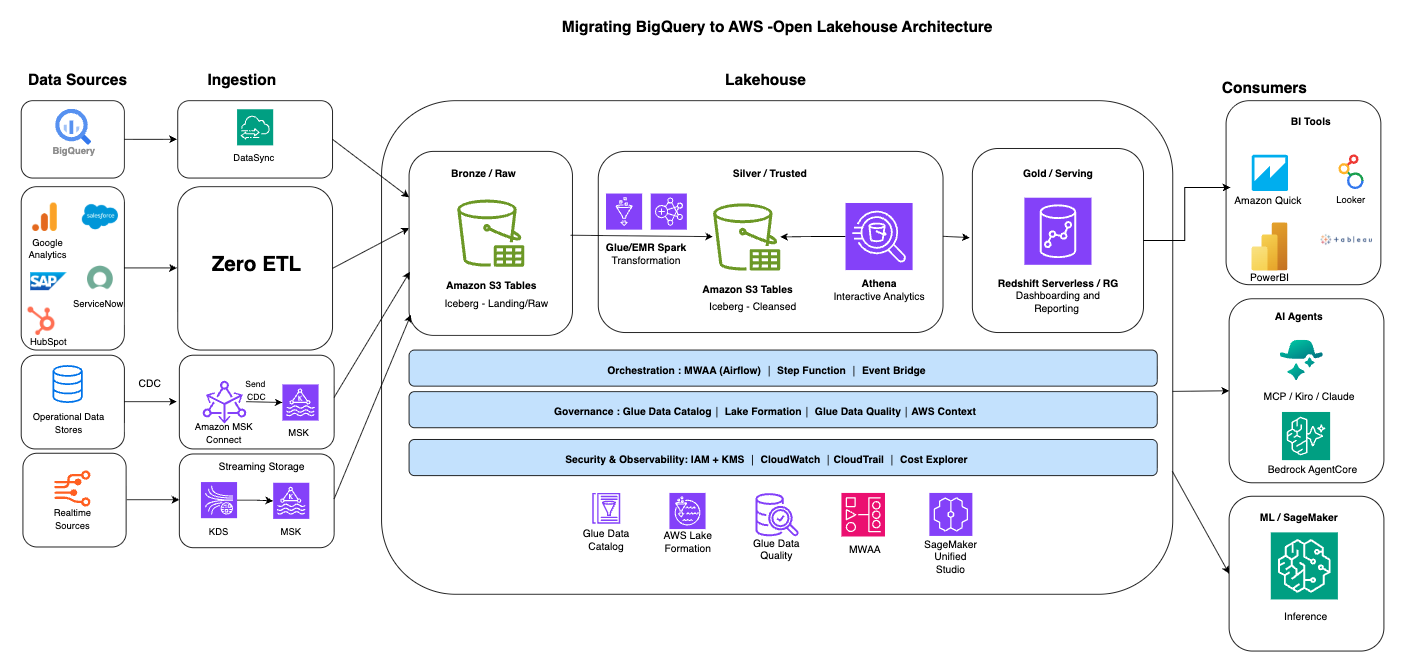
Migrate Google BigQuery to an open lakehouse on AWS with Apache Iceberg
0AWS Big Data Blog
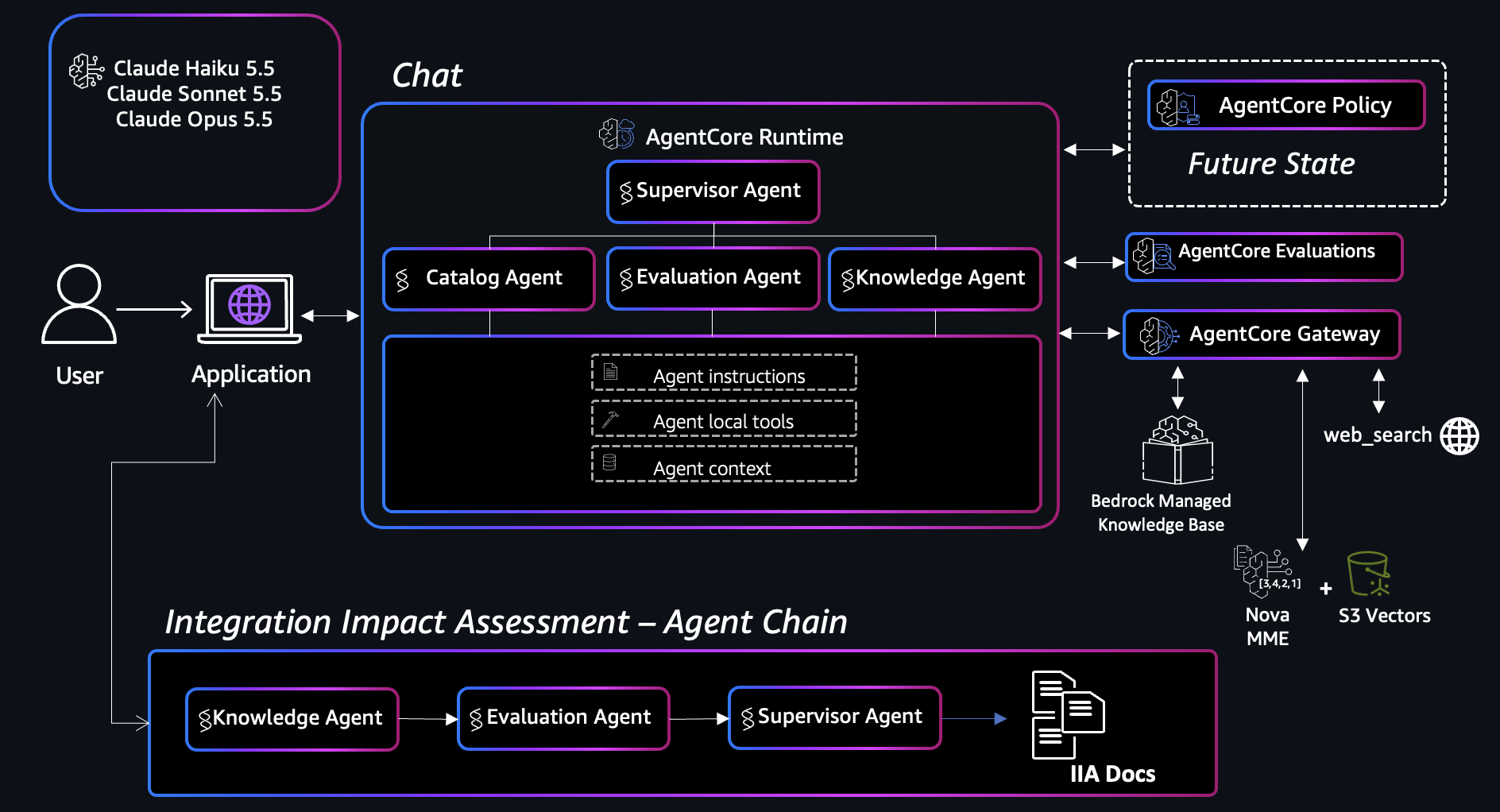
Agentic engineering intelligence with Amazon Nova Multimodal Embeddings and Amazon Bedrock AgentCore
0AWS Machine Learning Blog
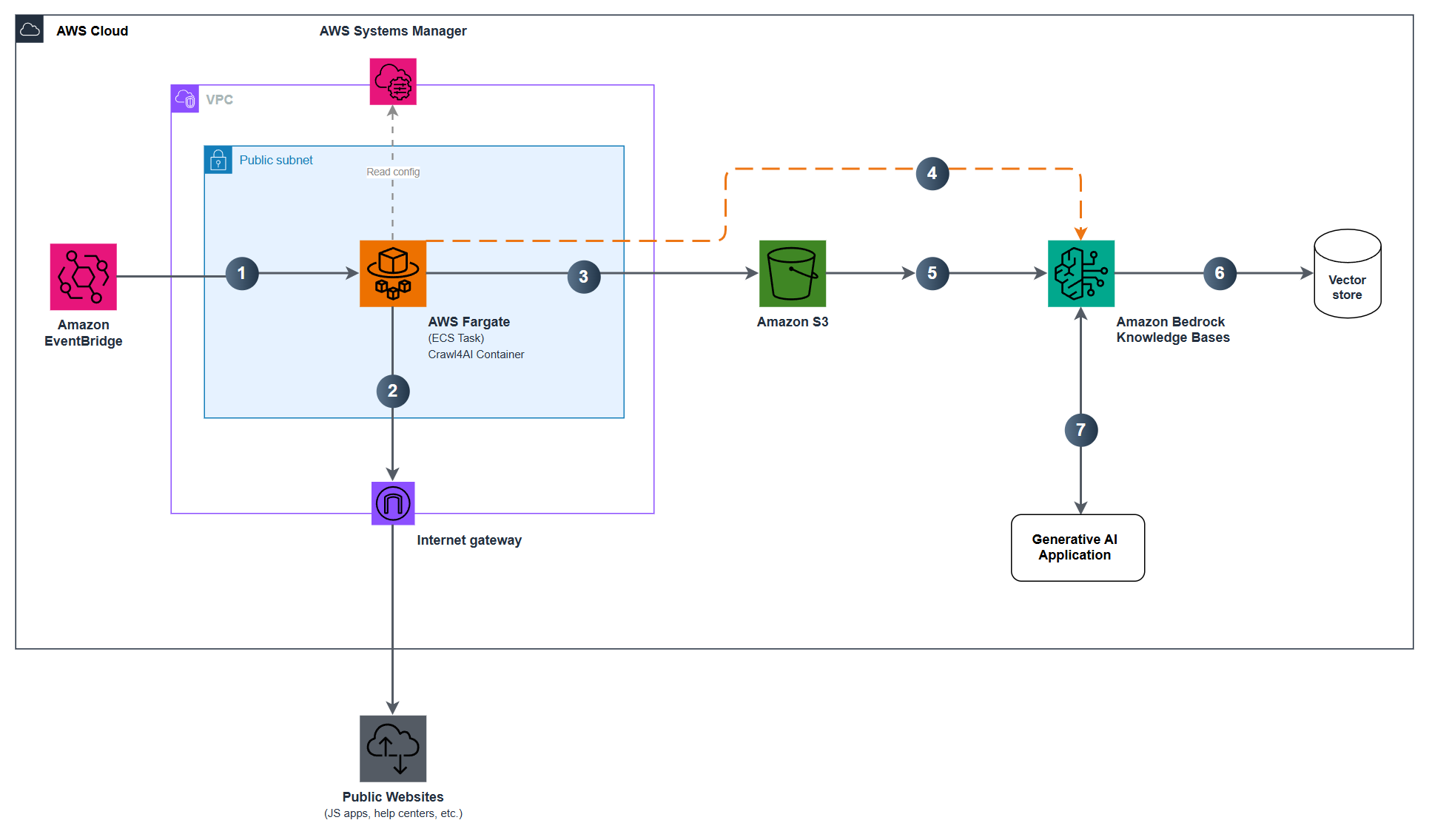
Prepare web content for Amazon Bedrock Knowledge Bases with Crawl4AI
0AWS Machine Learning Blog

I compared 11 vibe coding tools, from no-code builders to terminal agents. 🚀 Explore their pros, cons, and best use cases to find the right AI tool for your next project.
0dev.to AI

Como detectar anomalias em sensores de climatização usando Python e dados de BMS
0dev.to Python