- Thailand introduces a 70 dBA noise ceiling for large data centers
- New rules restrict heat emissions and wastewater discharge from computing facilities
- Data center operators must recycle cooling water under Thailand's new regulations
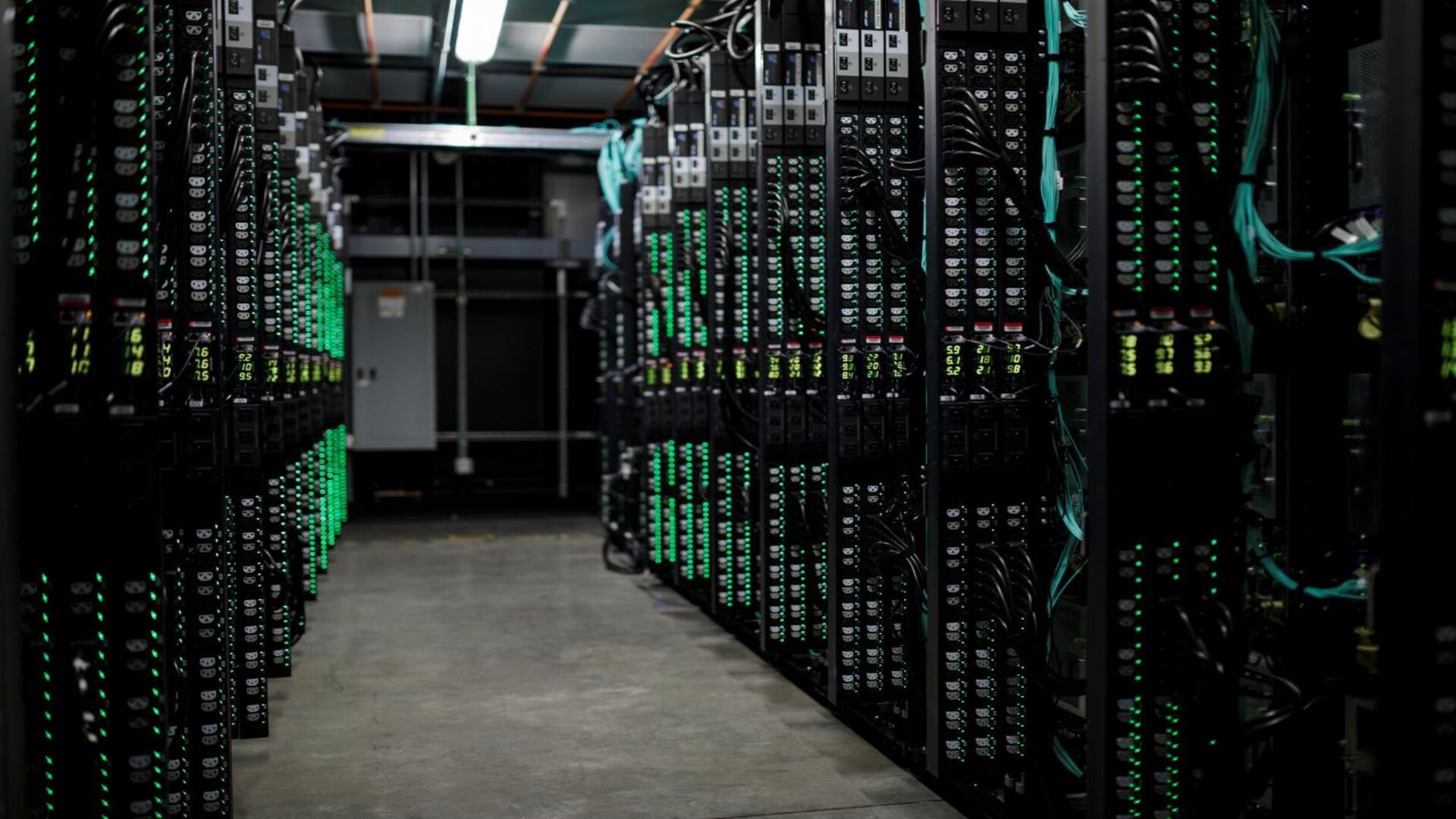
Thailand has introduced its first environmental regulations specifically for data centers, establishing new requirements for operators across the country.
The rules cover three major areas of environmental impact: noise pollution, heat emissions and water consumption.
The requirements include a 70-decibel noise ceiling for facilities operating uninterruptible power supply systems, alongside restrictions on temperature increases and wastewater discharge.
Thailand introduces noise and temperature restrictions
Under the new framework, data centers must keep noise emissions around 70 A-weighted decibels (dBA) whenever their uninterruptible power supply equipment operates.
This measurement accounts for differences in how the human ear perceives sound across various frequencies.
The restriction covers noise from equipment supporting continuous electricity delivery inside large computing facilities.
However, whether the permitted level offers meaningful relief to nearby residents depends on measurement locations, operating conditions, and enforcement.
For comparison, many household hair dryers produce approximately 70 dBA during operation, although actual readings vary between models and operating speeds.
Consequently, the permitted noise level does not necessarily mean neighboring communities will experience quiet conditions.
Thailand has also introduced controls on temperature changes around data center properties.
Danucha Pichayanan, secretary-general of the country's economic planning agency, said temperature increases beyond facility boundaries must remain between 1 and 2 degrees Celsius.
The requirement addresses heat generated by servers and associated cooling equipment during normal operations.
Managing this heat could require operators to adopt additional cooling measures, potentially affecting their electricity and water requirements.
Water management forms another important part of the regulations. Data center operators must circulate cooling water through reuse systems, while wastewater discharged from facilities must undergo testing before release.
Developments located inside designated industrial estates will face additional environmental obligations under the new framework.
These requirements establish specific operating conditions for facilities seeking approval under Thailand's expanding technology infrastructure program.
Thailand balances AI investment against environmental concerns
The cabinet approved the regulations after construction activity on new data center projects had remained suspended for several months.
Authorities used that period to prepare environmental requirements specifically addressing the industry's operational demands.
Finance Minister Ekniti Nitithanprapas said projects failing to satisfy the government's requirements would not receive permission to proceed.
“We will implement the highest standards,” said Ekniti Nitithanprapas, Thailand's finance minister.
The government wants to attract technology companies while protecting resources needed by households, businesses and surrounding communities.
This requires balancing the economic benefits of new infrastructure against its potential demands on electricity, water and environmental capacity.
Thailand is an investment hub with investment-promotion applications exceeding $50 billion during the first nine months of 2026.
Artificial intelligence-related developments accounted for approximately 70% of the total application value.
The investment figures indicate substantial interest in Thailand's technology infrastructure market, making the new requirements relevant to prospective developers.
However, the 70 dBA ceiling alone cannot establish whether residents will experience meaningful reductions in noise exposure.
Actual outcomes will depend on how authorities measure emissions, monitor facilities and enforce compliance when operators exceed permitted limits.
Via Bloomberg