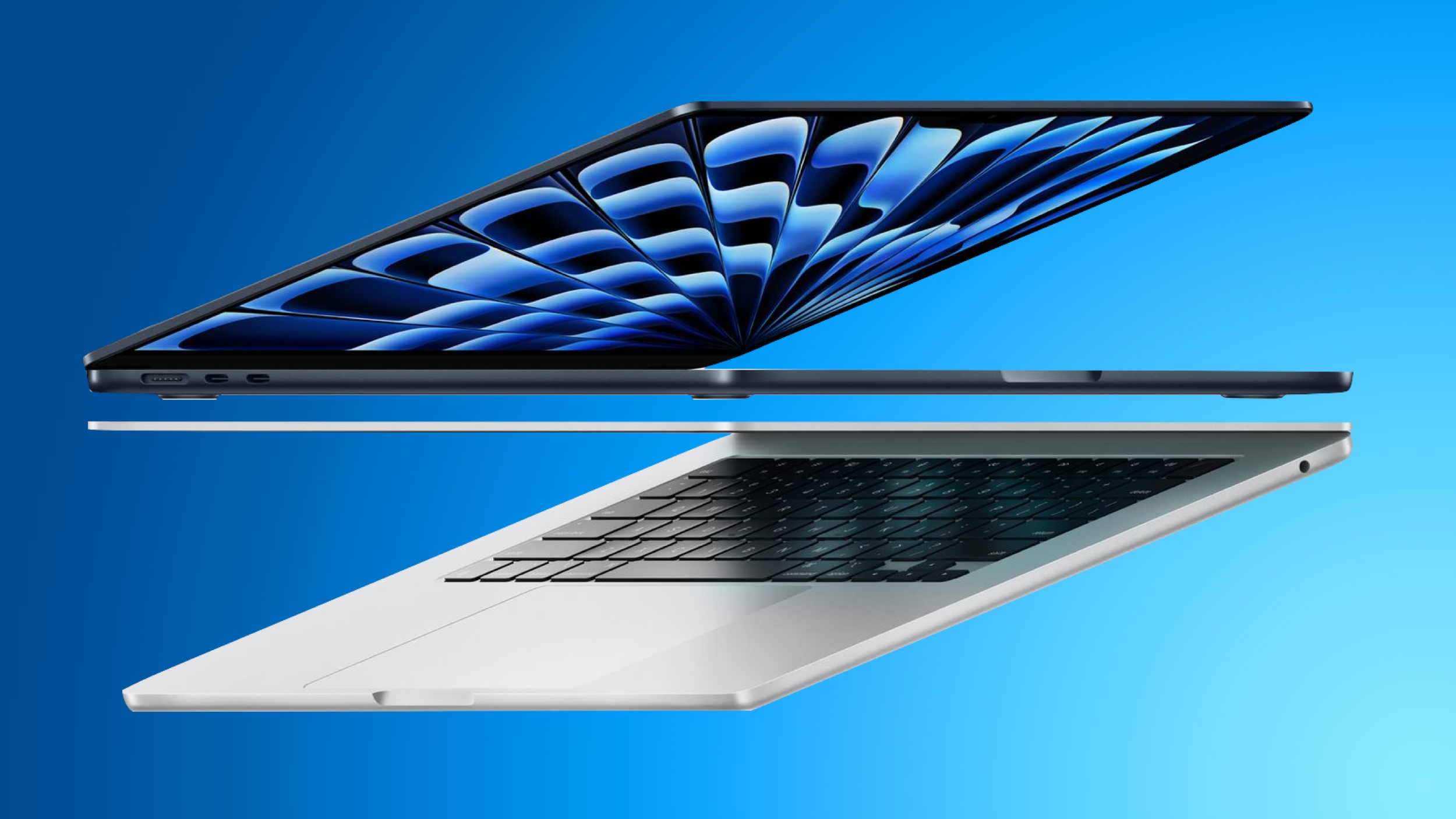
The technology, called "FLiPP," is reportedly being developed for potential use in Apple's MacBook Air and iMac in 2030. LG unveiled it in August, but the latest report identifies the Apple products it could eventually reach.
OLED screens contain tiny pixels that produce their own light. LG's new process reduces the empty space between them, allowing more of the screen's surface to light up. LG says manufacturers could use that improvement to make screens 60% brighter, last 2.4 times as long, or consume 13% less power than OLED screens made using the conventional process.
Producing the displays could also become cheaper. FLiPP replaces the thin metal sheets normally used to arrange pixels, allowing LG to make more screens from each sheet of glass and waste less material.
Bloomberg's Mark Gurman said last month that Apple was still testing OLED displays for the MacBook Air and iMac. However, The Elec also today reported that Apple could delay or cancel its OLED iMac because of costs and demand concerns, potentially affecting LG's plans.
Related Roundups: iMac, MacBook Air
Buyer's Guide: iMac (Buy Now), MacBook Air (Caution)
Related Forums: iMac, MacBook Air
This article, "Future Macs Could Get Brighter, Longer-Lasting OLED Displays in 2030" first appeared on MacRumors.com
Discuss this article in our forums


