AI & ML
A Geometric Observer for Visual-Inertial Odometry using Optical-Flow Constraints
arXiv cs.RO0 views
arXiv:2611.20098v1 Announce Type: cross Abstract: This paper presents a geometric observer for monocular visual-inertial odometry driven by individual optical-flow constraints. For each tracked point, the bearing and its rotationally compensated derivative give a depth-free homogeneous constraint on the body-frame velocity. These constraints enter the innovation of an observer on the gravity-augmented group $\mathbb{SE}_3(3)$ through a Riccati gain, without estimating depths or reconstructing the direction of motion. The auxiliary gravity state makes the six-dimensional body-frame velocity-gravity error dynamics independent of the attitude correction, and their uniform observability is shown to be equivalent to persistent excitation of a matrix formed from the inertial bearings and their derivatives. Under this condition, the body-frame velocity and gravity errors converge globally and uniformly exponentially, and a gravity-based attitude correction renders the combined velocity, gravity, and reduced-attitude error almost globally asymptotically stable and locally uniformly exponentially stable. Simulations illustrate the excitation condition, recovery from initial errors, and sensitivity to perturbed measurements.
Source:https://arxiv.org/abs/2611.20098PreviousD'BEAST: Logged Bad Experiences as Explanation for Autonomous Driving AgentsNextAerial Person Detection under Edge Constraints: Held-Out Evaluation and Edge-Ground Verification
Related posts

This GMKtec Ryzen-powered mini PC is a solid daily driver with an $80 discount ahead of Black Friday
0TechRadar
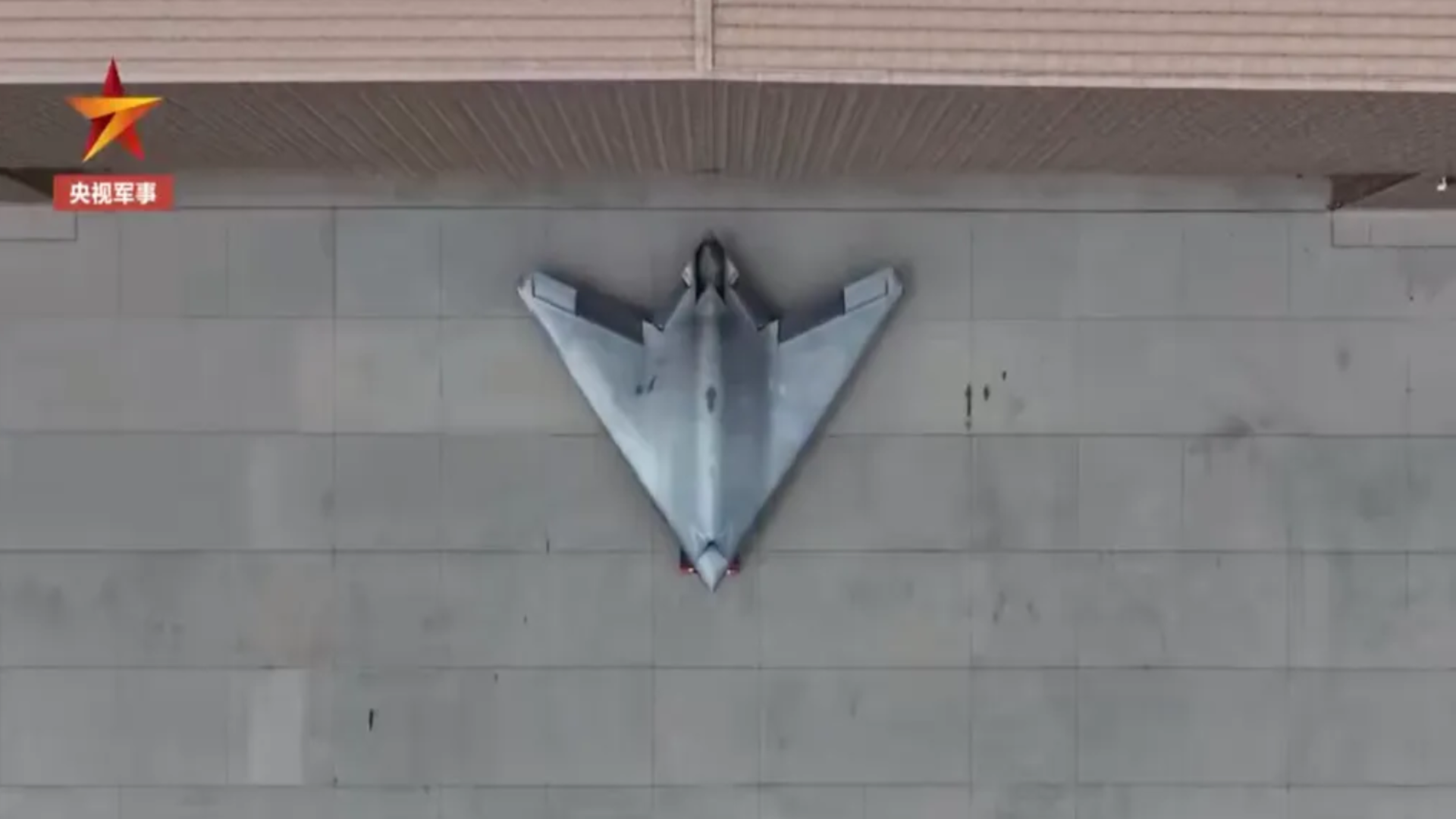
China goes public with stealth UAV manned by crack team of 'self-trained female drone operators' — GJ-11 looks a lot like Northrop Grumman's X-47B now-defunct UCAV
0TechRadar

GTA VI gamers beware — experts warn of a 1300% rise in phishing scams ahead of official launch date
0TechRadar
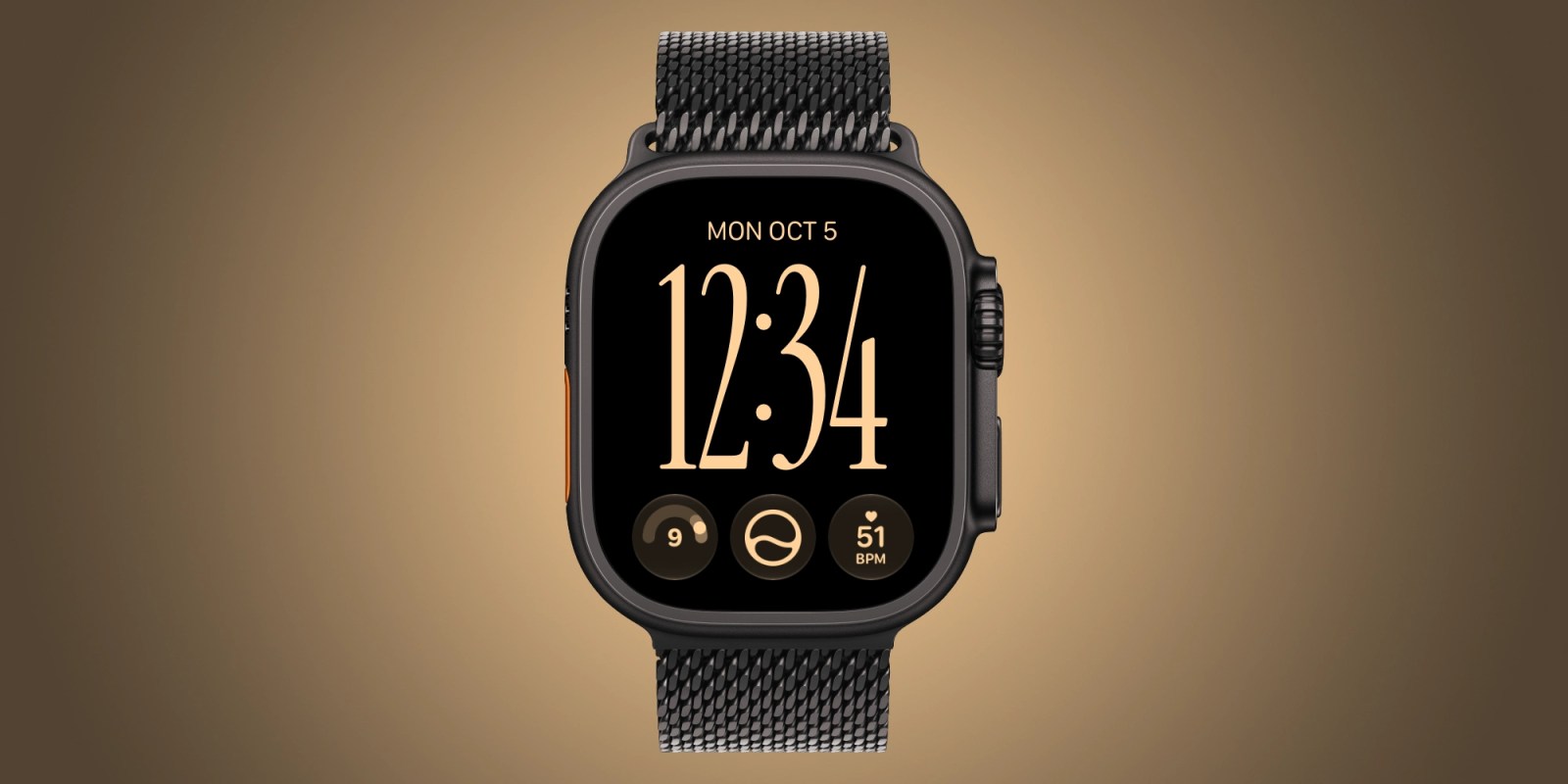
Siri Modular Apple Watch face gains two new styles with watchOS 27.3
09to5Mac

OpenAI's Coding Agents Now Finish 46% of 2–4 Hour Research Tasks Alone — But the Frontier Is Jagged
0dev.to

Previous-Token Prediction Based LLM Inversion for Prompt Reconstruction
0Hacker News