AI & ML
RCOA Extension and Applications
arXiv eess.SY0 views
arXiv:2607.02797v2 Announce Type: replace Abstract: The Relaxed Convex Obstacle Avoidance (RCOA) formulation is the first approach to enable a fully convex optimal control problem (OCP) for obstacle avoidance. Convergence analysis of RCOA yields an analytical framework that defines a unique characteristic: the ability to maintain obstacle avoidance (OA) efficacy even when obstacles reside beyond the controller's prediction horizon. In this paper, RCOA is extended to three-dimensional environments and apply it to Unmanned Aerial Vehicle (UAV) navigation. Furthermore, the formulation is enhanced to incorporate vehicle geometries, moving beyond point-mass representations to enable collision avoidance between 3D objects. Numerical simulations demonstrate that RCOA provides computational performance on par or exceeding state-of-the-art methods. Notably, RCOA is demonstrated to enable a Nonlinear Model Predictive Controller (NMPC) to execute aggressive maneuvers through narrow passages with reduced prediction horizons, ensuring real-time feasibility at frequencies exceeding 30~Hz.
Source:https://arxiv.org/abs/2607.02797PreviousA Control Barrier Function-Constrained Model Predictive Control Framework for Safe Reinforcement LearningNextA Theory of Information Architecture for Networked Decisions: Freshness, Locality, and Coordination
Related posts

They Found You Through a Photograph…
0dev.to

The Joy of Boring Code: Why Writing "Clever" Code is Overrated
0dev.to

From fMRI to images: what Brain-IT reconstructs—and what it does not
0dev.to

Vad ska vi automatisera först? En poängmodell för småföretag
0dev.to
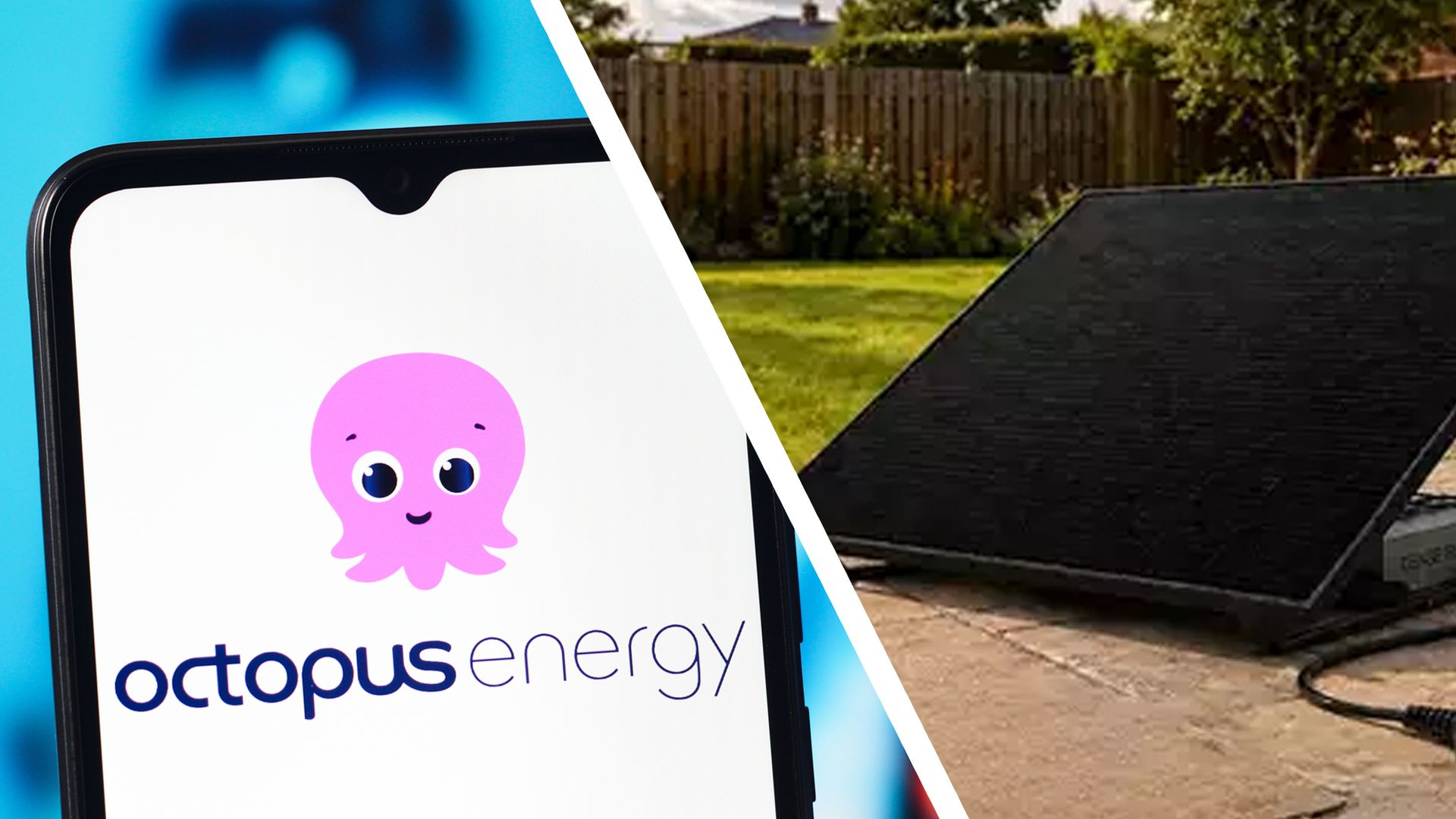
Octopus Energy is bringing its sold-out plug-in solar panels to UK small businesses, says move was a 'no-brainer' following huge demand
0TechRadar

LVMH’s Media Division announces strategic partnership with OpenAI
0OpenAI Blog