AI & ML
Illumination-Robust Localization around Unknown Space Objects using Multispectral Image Fusion
arXiv cs.RO0 views
arXiv:2512.12203v3 Announce Type: replace Abstract: As on-orbit operations grow, so does the need for precise navigation around unknown resident space objects (RSOs), such as spacecraft, debris, and asteroids. Simultaneous Localization and Mapping (SLAM) algorithms are often studied for mapping an RSO and estimating the inspector's relative pose, but conventional cameras struggle during eclipse, while lidar, though illumination-robust, has higher SWaP. Thermal-infrared cameras track targets through difficult lighting but lack the resolution and feature-richness of visible cameras. Images of a target satellite in low Earth orbit are simulated in both visible and thermal bands, and fused at the pixel level to combine each sensor's strengths for front-end tracking. Thermal imagery is further exploited by a novel silhouette-based visual place recognition (VPR) method that detects loop closures without training, runs entirely on CPU, and outperforms all baselines. Integrated SLAM performance is compared using visible, thermal-infrared, and fused imagery across lighting conditions, trajectories, and place recognition methods; using fused imagery for front-end tracking and our thermal-silhouette place recognition method performs best. The results show that visible and thermal modalities each provide unique information that is exploited differently at various stages of navigation. These low-SWaP sensors could ultimately enable reliable proximity operations on smaller, lower-cost spacecraft.
Source:https://arxiv.org/abs/2512.12203PreviousControllable Generative Trajectory Prediction via Weak Preference AlignmentNextNestRL: A Nested Training Regime for Mutual Adaptation in Human-AI Teaming
Related posts

Five of my most-read catalog pages 404 because of a hyphen I never chose
0dev.to Database
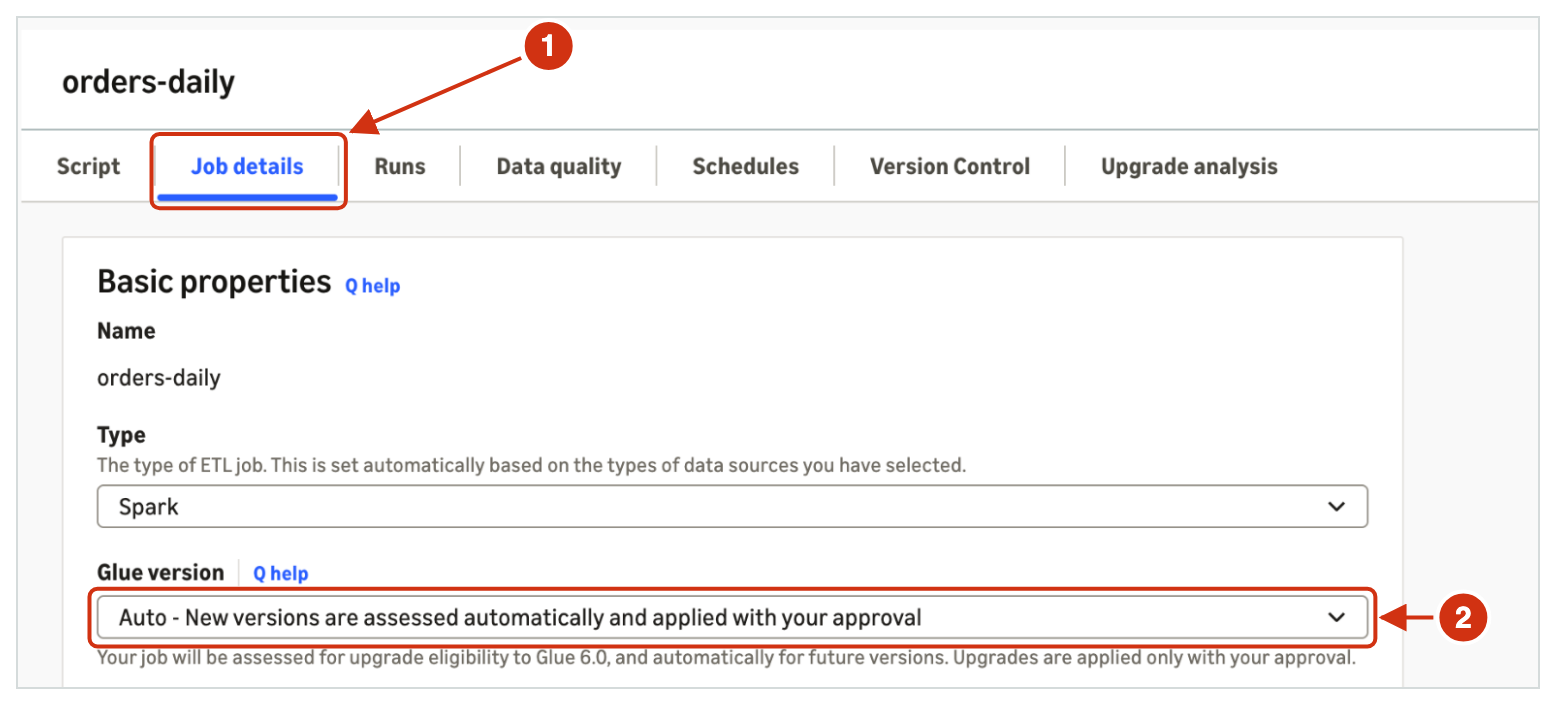
Introducing automatic version upgrades for AWS Glue jobs
0AWS Big Data Blog
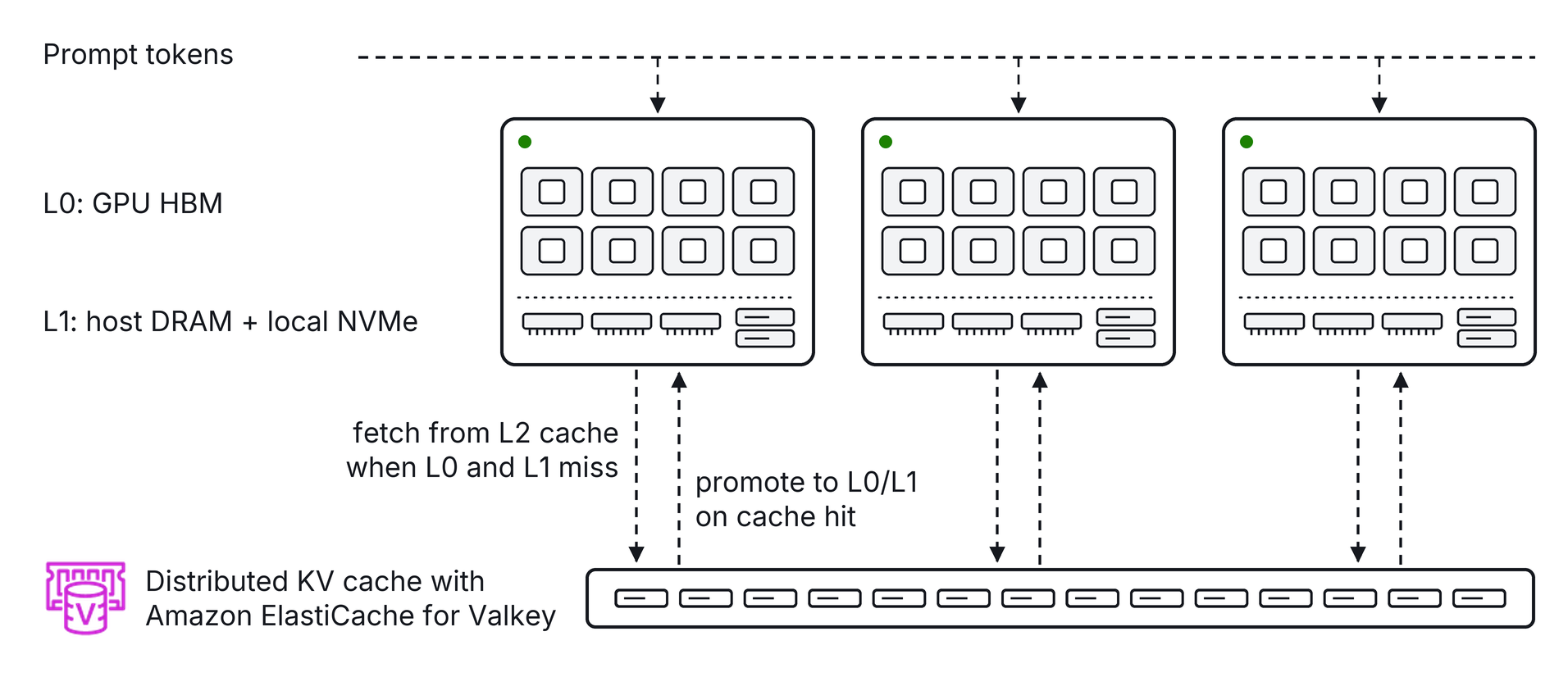
Announcing distributed KV caching for self-hosted LLMs with Amazon ElastiCache
0AWS Database Blog

Exa boosts embedding throughput by 50% to index billions of documents on AWS AI chips
0AWS Machine Learning Blog

BEVCast: Path-Adaptive BEV for Efficient End-to-End Autonomous Driving
0arXiv cs.RO

World-Model Gradient Refinement in CEM: An Empirical Study
0arXiv cs.RO